Summarize this article with
The choice of wine glasses directly shapes the tasting experience. Each glass shape is designed to reveal a wine’s aromas, texture, and structure at their best. For optimal wine service, it’s important to match your glass to the type of wine you’re tasting.
Why does glass choice matter so much? Which tasting accessories should you choose to fully appreciate a red, white, or sparkling wine? Here’s a detailed guide to choosing the ideal glass for each wine style.
Why is glass choice so important?

The design of the glass influences how aromas and flavors are perceived. Three elements make the difference:
- The shape of the glass: it directs the wine toward specific areas of the mouth, changing the way flavors are perceived.
- The opening: a narrower rim helps concentrate aromas, while a wider opening encourages aeration.
- The size: a larger glass gives the wine more room to breathe and release its aromas.
Which glass for which type of wine?
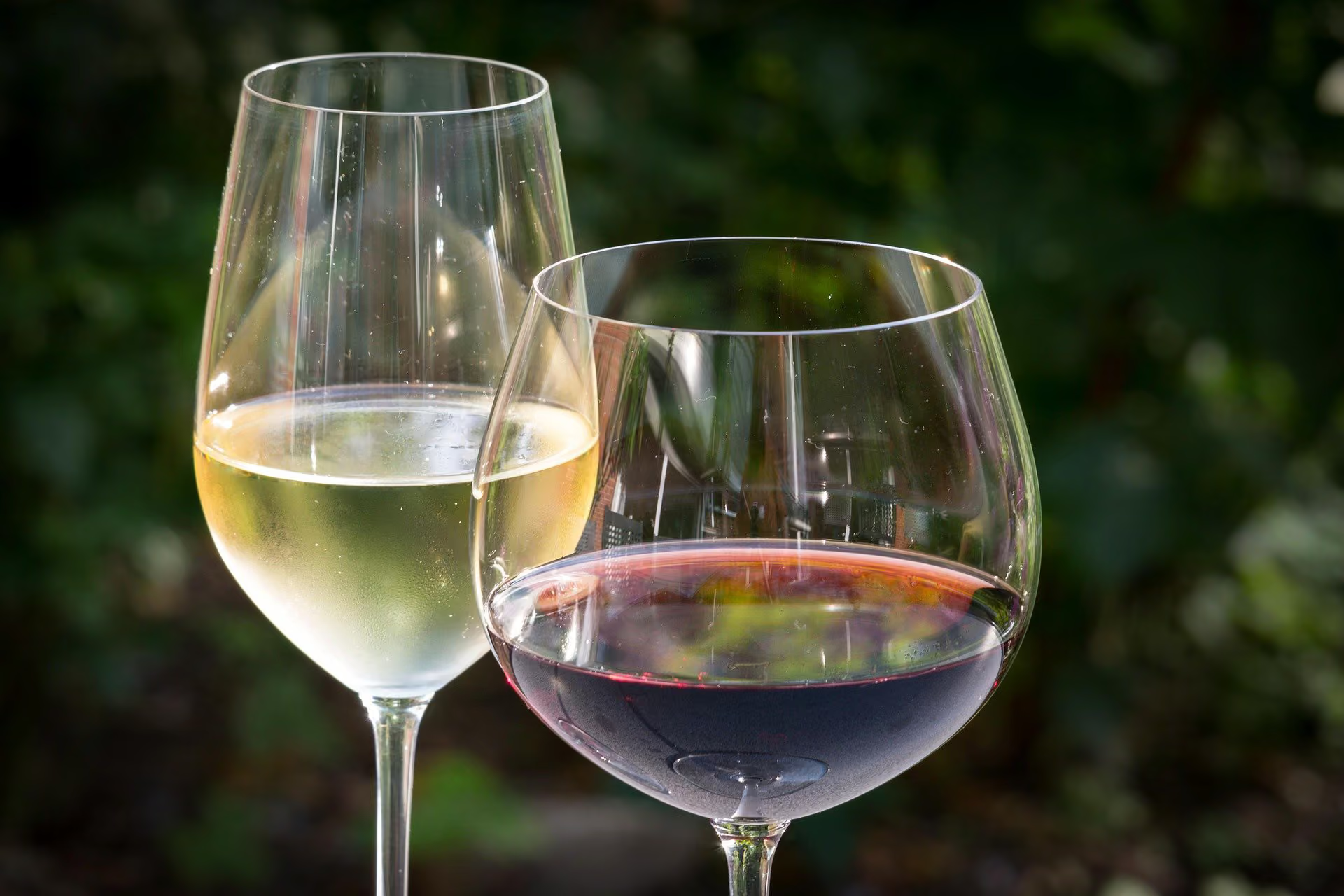
1. Red wine glasses: prioritize aeration
Red wines often have a firm tannic structure and need good oxygenation to reveal their full complexity.
- Bordeaux glass
- Large opening and generous bowl.
- Ideal for powerful wines such as Cabernet Sauvignon or Merlot.
- Encourages oxygenation and softens tannins.
- Burgundy glass
- A rounder, wider bowl.
- Well suited to delicate wines such as Pinot Noir.
- Amplifies aromas and softens acidity.
- Universal glass
- Can suit a range of red wine styles.
- A great all-purpose option for varied tastings.
2. White wine glasses: finesse and freshness
White wines need less oxygenation than reds. Their glass should concentrate aromas while preserving freshness.
- Classic white wine glass
- A smaller format than a red wine glass.
- Ideal for fresh, light wines such as Sauvignon Blanc.
- Preserves fruity and floral aromas.
- Aromatic white wine glass
- A slightly flared shape to bring the aromas into focus.
- Well suited to wines such as Gewurztraminer or Viognier.
- Chardonnay glass
- A wider bowl to allow a touch of oxygenation.
- Recommended for richer, more complex white wines.
3. Sparkling wine glasses: finesse and elegance
Choosing the right champagne glass is crucial if you want to preserve the bubbles and express the aromas.
- Champagne flute
- A long, narrow glass.
- Encourages the rise of bubbles and preserves freshness.
- Perfect for young, lively champagnes.
- Champagne coupe
- A wide, shallow glass.
- Less recommended, since it disperses bubbles quickly.
- Popular for cocktails such as Bellini or Kir Royal.
- Tulip champagne glass
- The ideal middle ground between a flute and a coupe.
- Allows better aromatic expression while preserving effervescence.
4. Rosé wine glasses: somewhere between white and red
Rosé wines need a glass that highlights their freshness while amplifying their fruity aromas.
- Standard rosé wine glass
- A slightly flared shape.
- Suited to light, fruity rosés.
- Preserves freshness and acidity.
- Gastronomic rosé glass
- A wider bowl to encourage aeration.
- Ideal for food-friendly rosés, such as those from Provence.
Mistakes to avoid when choosing wine glasses
- Using the wrong glass: a powerful red wine in a champagne flute won’t be able to fully open up.
- Choosing glasses that are too thick: this affects how you perceive the wine’s aromas and texture.
- Not filling the glass properly: a glass filled to the brim doesn’t allow the wine to breathe.
- Using colored or decorated glasses: this makes it harder to appreciate the wine’s appearance.
How should you care for your wine glasses?
Well-maintained glasses improve the tasting experience. Here are a few practical tips:
- Wash by hand with warm water and a soft cloth.
- Avoid scented detergents, which can affect the wine’s aromas.
- Dry immediately with a clean tea towel to avoid limescale marks.
- Store glasses upright rather than hanging them to limit dust buildup.
Wine glasses and essential tasting accessories
For the best tasting experience, a few accessories go hand in hand with wine glasses:
- Decanter: useful for young, tannic red wines.
- Airtight stopper: helps keep an opened wine fresh for longer.
- Wine thermometer: ensures wine service at the ideal temperature.
- Aerator: speeds up oxygenation and enhances the wine’s expressiveness.
Conclusion
Choosing the right wine glasses is essential if you want to fully appreciate a wine’s qualities. Each glass type plays a key role in how aromas are expressed and flavors are perceived.
Whether you’re pouring a powerful red, a crisp white, or a sparkling champagne, the right glass elevates the tasting experience.
If you enjoyed this article, don’t hesitate to read the next one, "Understanding the differences between Champagne vintages", which may also interest you!
Good to know:
The best way to get better at tasting is to write down what you taste: colour, nose, palate, and above all what you thought of it. Over time, your notes reveal your preferences far better than any guide. In Oeni, every bottle in your cellar has its own tasting sheet, ready to fill in within seconds.