Summarize this article with
A wine’s vintage directly influences its quality, aromas, and aging potential. Understanding the importance of the vintage helps you choose your bottles more wisely. This article explains how to make a smart vintage choice, the impact of wine and vintage on your tasting experience, and when to drink your wines at their peak.
What Is a Wine Vintage?

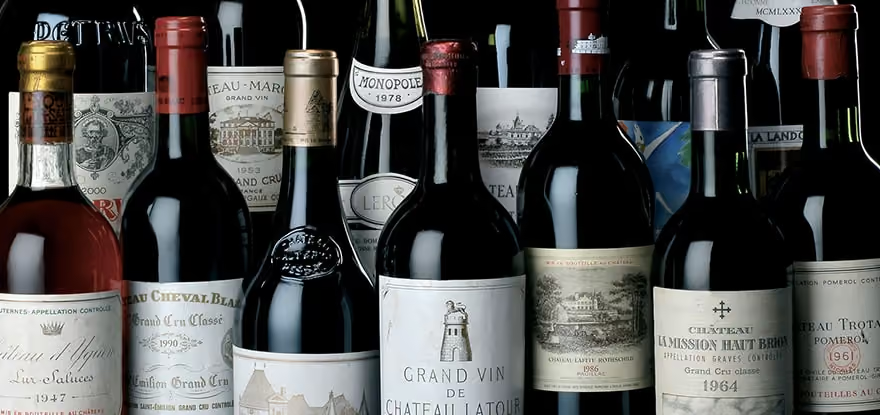
A vintage refers to the year the grapes used to make a wine were harvested. It reflects the weather conditions of that year, which play a crucial role in the wine’s quality.
The Impact of Weather Conditions
- Warm years: Grapes ripen beautifully, producing rich, concentrated wines.
- Cool years: Wines often show more freshness and vibrancy.
- Unstable climates: These can lead to more uneven vintages, where quality varies from one producer to another.
Why Does Vintage Choice Matter?
1. Influence on Wine Quality
A great vintage can elevate an ordinary wine, while a poor one can hold back even the finest wines.
2. Aging Potential and Peak Drinking Window
The vintage determines how long a wine can age before reaching its peak, the moment when it reveals its full potential.
3. How Aromas Evolve
Young wines and mature wines offer very different aromatic profiles. The vintage helps guide your choice based on your preferences.
How Do You Evaluate a Vintage?
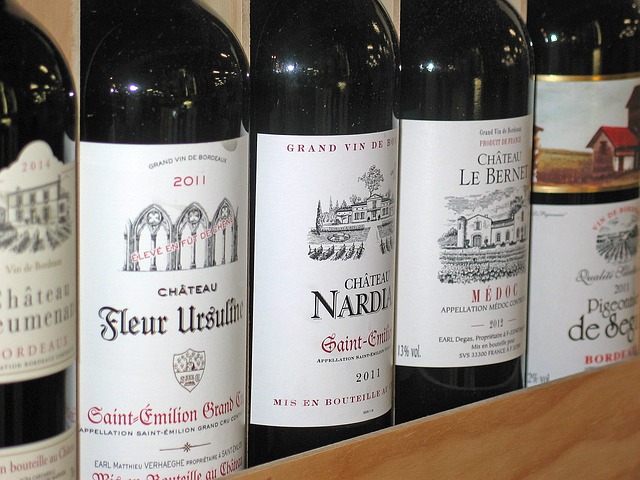
- Consult specialized guides: Experts publish vintage rankings by region, helping you identify the best years.
- Learn about the region: Every wine region experiences different weather patterns. An outstanding vintage in Bordeaux may be mediocre in Burgundy.
- Analyze grape variety characteristics: Some grapes, like Cabernet Sauvignon, handle difficult weather better than others, like Pinot Noir.
Recent Great Vintages in France
1. Bordeaux
- 2010: Perfect structure, powerful tannins, excellent aging potential.
- 2015: Balanced wine, approachable young but promising for aging.
- 2019: A sun-filled vintage, ideal for rich, aromatic wines.
2. Burgundy
- 2015: Exceptional for reds, with intense fruity aromas.
- 2018: A warm year, producing generous, approachable wines.
- 2020: Precise wines, marked by lovely freshness.
3. Rhône Valley
- 2016: Considered one of the region’s best vintages.
- 2019: Generous wines, with silky tannins and great richness.
How Do You Choose a Wine Based on Its Vintage?
1. Define Your Needs
For immediate drinking: Choose a recent vintage, offering fruity, approachable wines. For long-term cellaring: Look for a great vintage with strong aging potential.
2. Assess the Producer’s Reputation
A skilled producer can offset the effects of a difficult vintage thanks to their expertise.
3. Consider Your Budget
Great vintages are often more expensive, but lesser-known years can hide affordable gems from certain winemakers.
When Should You Drink a Wine Based on Its Vintage?
1. Red Wines
- Young: Recent vintages offer fruity aromas, ideal for drinking soon.
- At maturity: Great vintages develop complex notes after 5 to 20 years of aging.
2. White Wines
- Dry whites: Light whites (Sauvignon Blanc, Muscadet) are best enjoyed young, often within 2 to 5 years.
- Off-dry and sweet wines: These wines, like Sauternes, reach their peak after 10 years or more.
3. Sparkling Wines
- Non-vintage Champagne: These are ready to drink as soon as they’re released.
- Vintage Champagne: They gain complexity after a few years in the cellar.
Mistakes to Avoid When Choosing a Vintage
- Buying a wine without checking its aging potential: A wine made to be drunk young won’t improve with time, even if it comes from a great vintage.
- Overlooking storage conditions: A great vintage stored poorly can lose its quality. Respect the recommended temperature and humidity.
- Generalizing about a vintage: Quality can vary from one producer to another, even in a highly regarded vintage.
Tools to Help You Make the Right Choice
- Wine cellar management apps: These tools let you track your bottles, their vintage, and their aging potential.
- Vintage guides: Check expert rankings and ratings to quickly assess a specific year.
- Advice from wine merchants: A good wine merchant can point you toward vintages that suit your taste and budget.
Conclusion
Making the right vintage choice means understanding how wine and vintage affect quality and aging. Respecting each bottle’s peak drinking window ensures the best possible tasting experience. Take the time to learn and experiment so you can refine your preferences.
If you enjoyed this article, don't hesitate to read the next one "The Benefits of Red Wine for Your Health: Myth or Reality?", which might interest you too!
Good to know:
The best way to get better at tasting is to write down what you taste: colour, nose, palate, and above all what you thought of it. Over time, your notes reveal your preferences far better than any guide. In Oeni, every bottle in your cellar has its own tasting sheet, ready to fill in within seconds.