Summarize this article with
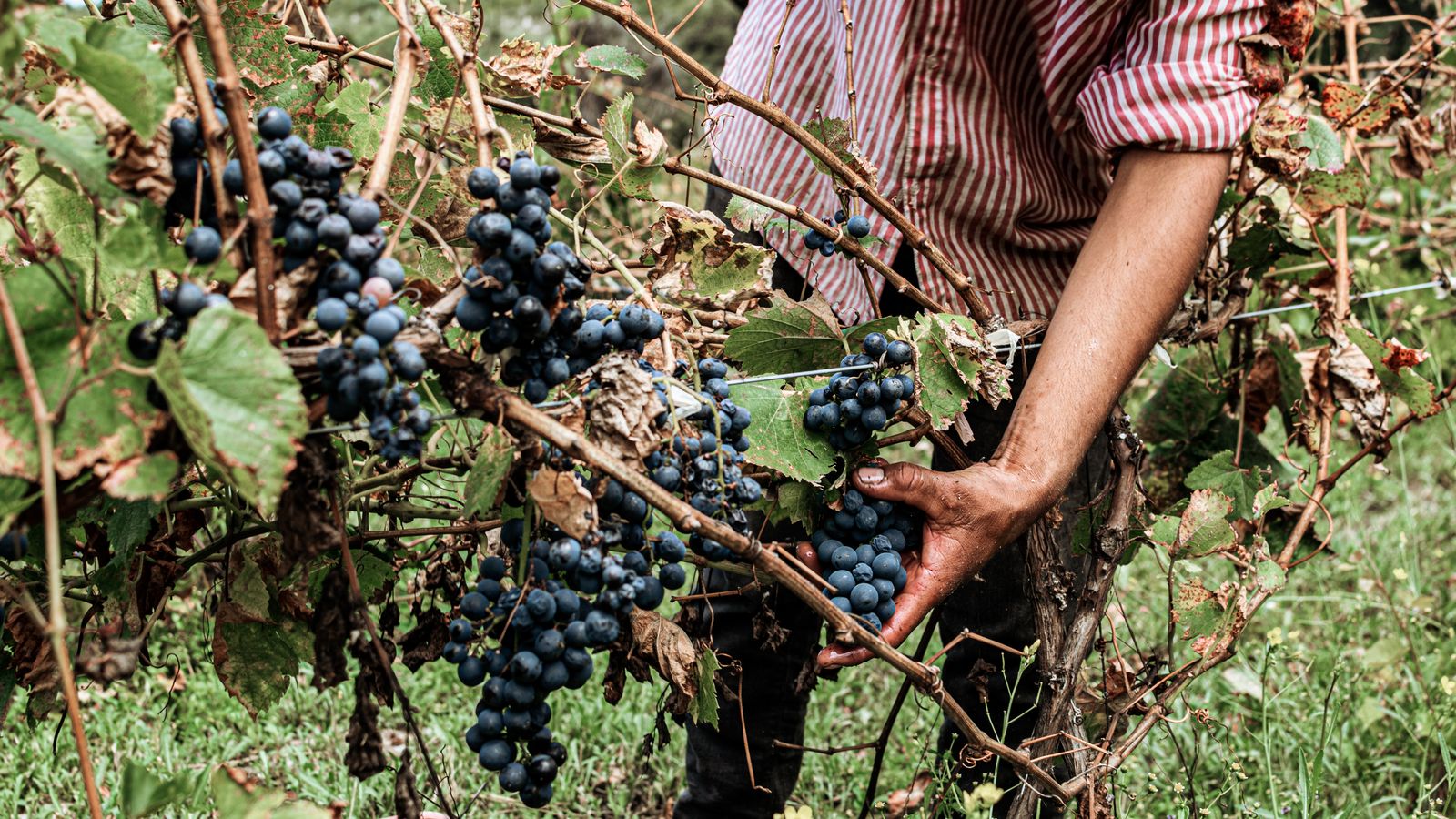
For centuries, winegrowers have watched the sky to guide their work. The moon and the vines hold a special place. Its cycles shape many vineyard practices and still influence biodynamic viticulture today.
If articles about the world of wine interest you, download our app on iOS or Android. It gives you access to our wine glossary, our articles, and our innovative solution, designed for every wine consumer and collector.
The ancestral bond between the vine and the moon
Long ago, people were already observing the effects of the stars on plants. They linked the moon’s phases to vine growth and vigor. Farmers adapted their work to the lunar cycles. This practical knowledge was passed down from one generation to the next in the vineyards.
The lunar calendar made it possible to identify the best times to plant, prune, or harvest. Each phase was believed to influence sap flow and the vitality of the vines. These observations laid the groundwork for some modern vineyard practices still used in certain domaines.
The role of the lunar calendar in viticulture
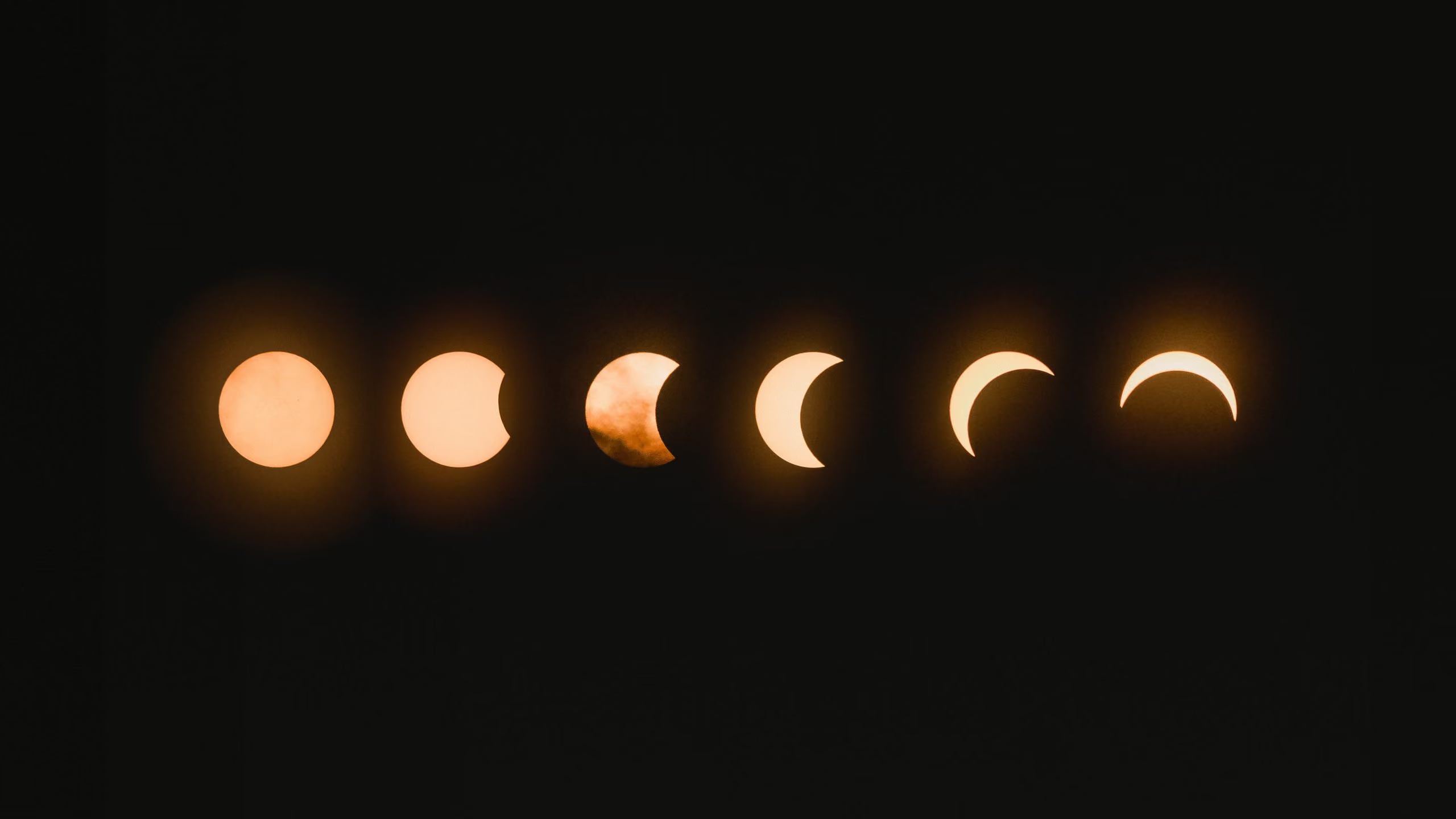
The moon follows a twenty-eight-day cycle, divided into four main phases. Each stage influences the vine and, in turn, the way the vineyard is managed. The new moon marks a period of rest, ideal for soil preparation work.
The waxing moon stimulates sap flow. Winegrowers take advantage of it to sow or encourage the development of young vines. The full moon marks a peak in energetic activity that can boost growth. Finally, the waning moon encourages winegrowers to prune or harvest. These reference points form a valuable lunar calendar for biodynamic viticulture.
Biodynamic viticulture and lunar influence

Biodynamic viticulture brings lunar cycles into a broader, holistic approach. It rests on the idea that the vine is part of a living ecosystem. Winegrowers see the vine and moon as an essential guide.
They adapt vine care to cosmic rhythms. Sprays of biodynamic preparations often follow the lunar calendar. These gestures strengthen the vines’ natural resilience and support grape quality.
This method demands discipline and close observation. Estates that practice biodynamic viticulture say they produce wines that are more expressive and better balanced. Vineyard practices are then built on a harmony between the vine and its environment.
Root, leaf, flower, and fruit days
The lunar calendar is not limited to the visible phases. It also unfolds into root, leaf, flower, and fruit days. Each one corresponds to a part of the plant. Winegrowers adjust their vineyard practices accordingly.
Root days favor work linked to the roots, such as planting. Leaf days suit canopy care. Flower days relate to bloom and lighter care. Fruit days are considered ideal for harvest and for tasting wines.
So the vine and moon guide far more than pruning or harvest. They shape a true agricultural calendar, one that biodynamic viticulture still respects.
Vineyard practices influenced by the moon

Many winegrowers’ tasks follow the lunar calendar. Pruning remains essential, since it influences vigor and the next harvest. Done on a waning moon, it limits sap bleeding and encourages healing.
Plowing is often carried out on root days. This stimulates underground development in the vine. Natural treatments against disease are applied on leaf days to strengthen the above-ground parts of the plant.
Finally, harvest is preferably carried out on fruit days. These moments are said to heighten the grapes’ aromatic quality. The vine and moon then become a precise guide for shaping everyday vineyard practices.
The debates around the moon and the vine
Not every winegrower follows the lunar calendar. Some believe lunar influence is mostly a matter of tradition. Modern science still struggles to clearly prove the effectiveness of these methods.
Even so, many supporters of biodynamic viticulture firmly defend the moon’s real impact on the vines. They rely on their own experience and on the quality of the wines they produce. The debate between tradition and science remains open, but moon-based vineyard practices are winning over more and more wine lovers.
Tasting guided by the lunar calendar
The lunar calendar isn’t only about work in the vineyard. Some people also use it to guide wine tasting. Fruit days are said to be ideal for appreciating aromas. Root days, by contrast, are thought to bring a more austere impression.
This approach appeals to wine lovers looking for sensory reference points. It shows just how important the vine and moon are in the wine world. Professional tasters sometimes experiment with this method to better understand how sensations can shift.
Toward more respectful viticulture
Biodynamic viticulture attracts many estates committed to sustainability. It rests on a close relationship with natural cycles. Winegrowers incorporate the vine and moon into a respectful approach to soils and vines.
This approach is part of a broader move toward more eco-friendly vineyard practices. The lunar calendar helps structure interventions without relying systematically on chemicals. The search for balance between nature and cultivation defines this vision.
An ancient knowledge that still lives on
Fascination with the moon and the vines shows no sign of fading. Modern winegrowers still draw on tradition to enrich their methods. The lunar calendar remains a guide that inspires and structures biodynamic viticulture.
Whether pruning, harvesting, or tasting, the moon continues to set the rhythm of vineyard life. These vineyard practices reflect a desire to preserve agricultural heritage while still innovating. The meeting of tradition and modernity makes this approach especially alive.
If you enjoyed this article, don't hesitate to read the next one, "Wine and street food: surprising pairings to try", which may also interest you!
Good to know:
The best way to get better at tasting is to write down what you taste: colour, nose, palate, and above all what you thought of it. Over time, your notes reveal your preferences far better than any guide. In Oeni, every bottle in your cellar has its own tasting sheet, ready to fill in within seconds.