Summarize this article with
The evolution of a wine in bottle fascinates both enthusiasts and experts. Each cuvée ages differently depending on its origin, composition, and storage conditions. Understanding wine aging helps you choose the ideal moment to open a bottle and enjoy it at its peak.
The Essential Role of Wine Aging in Bottle
From the moment it’s bottled, wine keeps living. Contrary to popular belief, it doesn’t stand still. It evolves slowly through natural chemical reactions. The tannins soften, the acidity settles, and the aromas grow more complex.
Red wines gain notes of leather, forest floor, and dried fig. Whites move toward aromas of wax, honey, and hazelnut. This slow transformation is what makes wine aging so compelling, turning raw material into a rich sensory experience.
Wine Storage: The Key Condition for Proper Evolution
A good wine isn’t enough. You also need to store it properly. Wine storage plays a crucial role in its evolution. A stable temperature around 12 °C allows for slow, harmonious aging. Temperature swings damage the wine’s structure and throw it off balance.
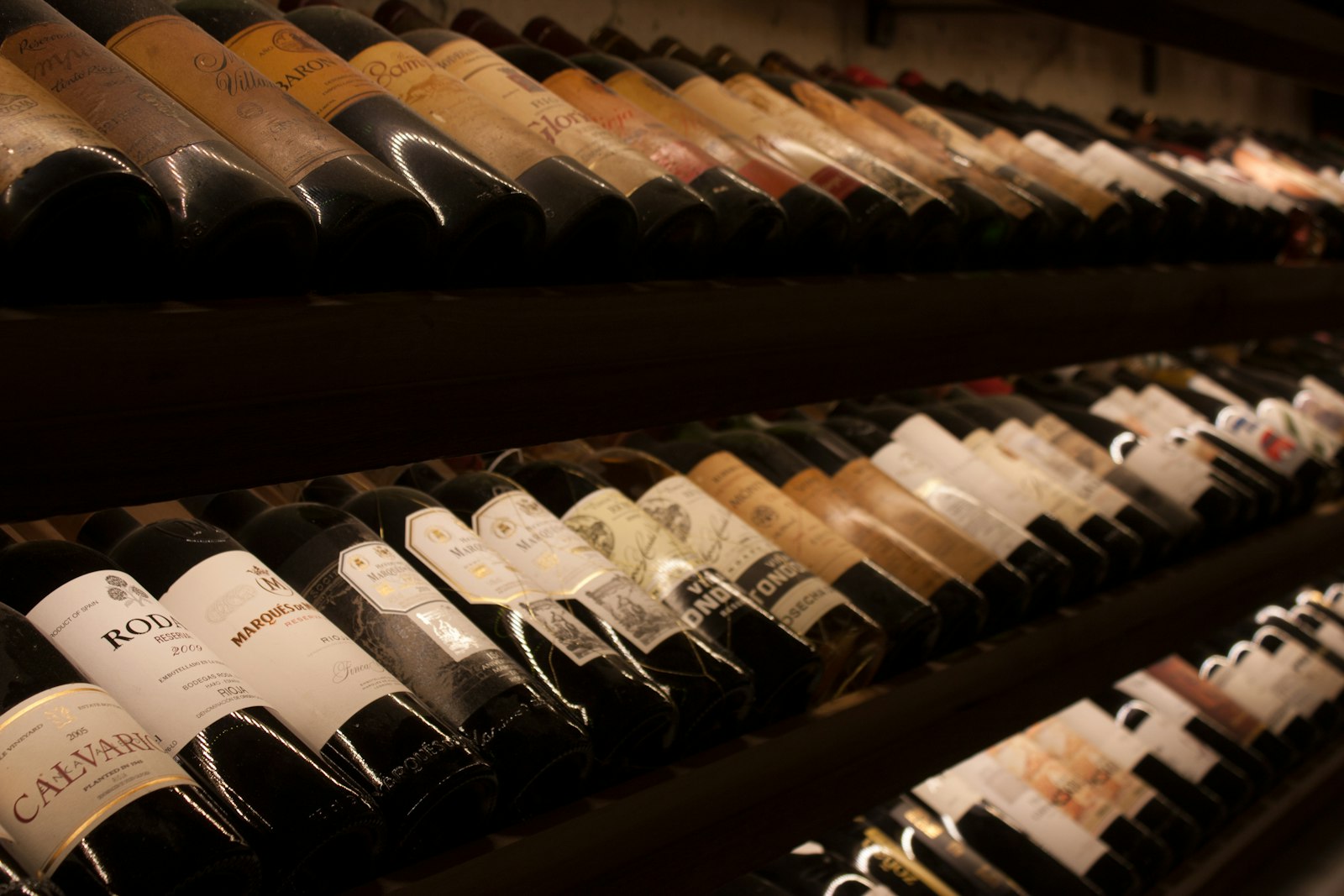
The ideal humidity level sits between 70 and 75%. Air that’s too dry dries out the corks, leading to oxidation. Too much humidity encourages mold and unwanted odors. Light is another enemy. It alters color and damages aromas. A proper wine cellar should therefore be dark, temperate, and well ventilated.
Choosing the Right Wines to Age in Cellar
Not every wine benefits from aging. You need to know which wines have strong aging potential. Tannic, powerful reds such as Bordeaux, Barolo, or Brunello often age beautifully. Their structure allows for a slow, complex evolution.
Some white wines do too. Rieslings, Savennières, the great Alsace crus, and Loire whites are classic examples. The wine in your cellar should be chosen carefully: good acidity and a solid tannic backbone are important criteria.
The Main Stages of Bottle Evolution
Wine moves through three broad phases. In its youth, it offers fresh aromas, fruit, and vibrancy. This is often when it’s at its most expressive. In the maturity phase, the flavors come together. The acidity and tannins knit into the wine. It becomes rounder, more complex.
Then comes decline. The fruit fades, the aromas weaken, and the palate turns soft. A wine that’s too old loses its beauty, even if some enthusiasts seek out these profiles. Knowing how to identify these stages helps you open bottles at exactly the right time.
Recognizing a Wine at Its Peak
A wine at its peak shows perfect balance. The aromas are rich and integrated, and the texture is silky. The color can also reveal its evolution. A mature red takes on brick-tinged highlights, while a white turns golden. If the appearance looks dull or brown, it may already be too late.
Wine storage then becomes a decisive factor. A bottle that’s been poorly stored ages faster, sometimes too fast. It becomes unbalanced and loses finesse. The tasting moment should therefore be carefully anticipated.
The Cork, Guardian of Wine in Cellar
The cork plays an essential role in wine aging. It protects the liquid from air while still allowing a very small amount of oxygen to pass through. This slow micro-oxygenation is beneficial. It allows for gentle evolution, without shock.
A faulty cork causes flaws. The wine oxidizes, deteriorates, and becomes dry or bitter. Some producers choose technical closures, while others prefer screw caps to guarantee a perfect seal.
Avoiding Over-Aging in Wine
Keeping a wine too long, out of fear of opening it too early, is a common mistake. A wine that’s too old loses its qualities. It becomes flat, its aromas fade, and the palate empties out. The magic disappears.
It’s better to drink a wine slightly young than too late. The wine in your cellar deserves regular attention. Don’t be afraid to open a bottle if you feel it’s nearing its peak. Better a pleasant surprise than regret on the palate.
Organizing a Balanced Cellar by Wine Style
A balanced cellar helps you distribute bottles properly. Wines meant to be drunk young should stay easy to reach. Ageworthy wines belong in the most stable part of the cellar. Keeping them closer to the floor helps ensure a more constant temperature.
Regular inventory checks help you track evolution. Some people use notebooks. Others prefer cellar management apps. What matters most is following each cuvée so you don’t miss the right moment.
How Aromas Change Over Time
Wine aromas evolve over the years. A young Syrah gives off notes of pepper and black fruit. With age, it reveals leather, wood, and gentle spices. A Chardonnay moves from lemony freshness to hints of butter, hazelnut, and brioche.
Each grape variety follows a different path. Acidity, tannins, and the wine’s underlying structure determine the nature of this transformation. Wine aging is never uniform. It brings surprises, sometimes disappointing, often wonderful.
Wine in Cellar: A Living Organism
Wine in cellar is never static. It reacts to its environment. Temperature, humidity, and light all influence its development. Constant care is needed if it’s going to give its best.
Aging a wine means giving it time to reveal its full personality. But it also calls for patience and discernment. Learning, reading technical sheets, and speaking with producers all help you anticipate that evolution.
If you enjoyed this article, don’t hesitate to read the next one, "Wine in the lab: can you recreate a great cru without vines?", which might interest you too!
Good to know:
The best way to get better at tasting is to write down what you taste: colour, nose, palate, and above all what you thought of it. Over time, your notes reveal your preferences far better than any guide. In Oeni, every bottle in your cellar has its own tasting sheet, ready to fill in within seconds.