Summarize this article with
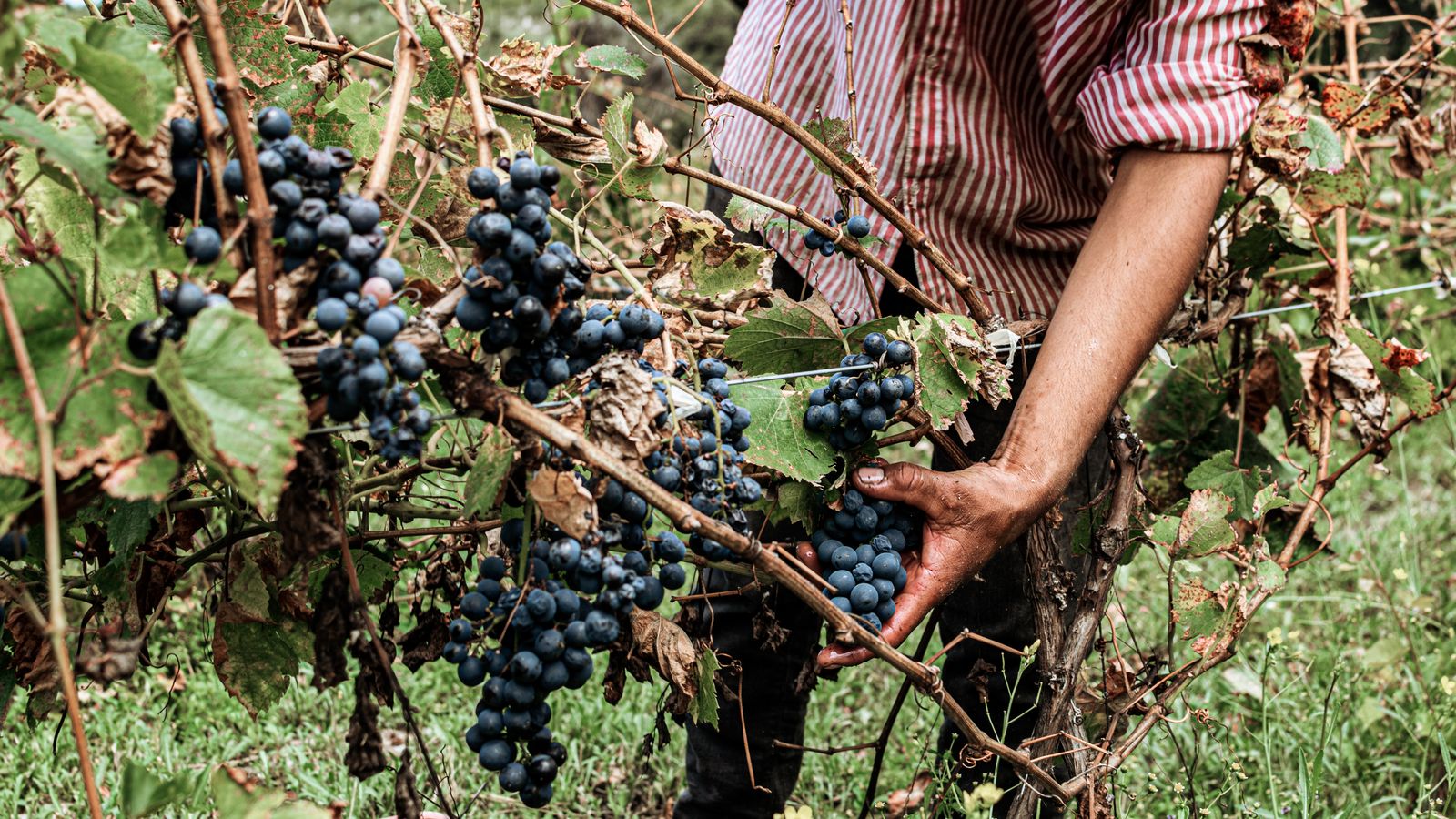
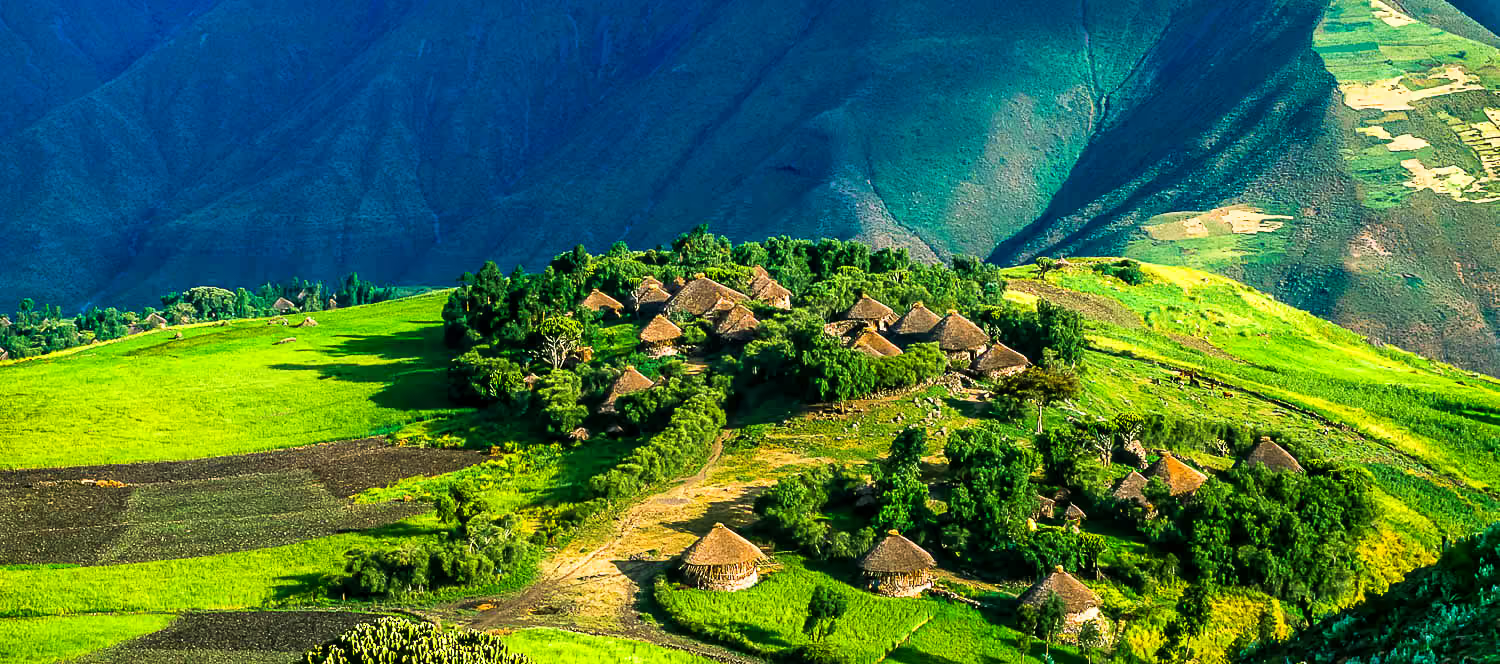
Ethiopia’s vineyards are intriguing for their ability to produce wine in mountainous terrain. Set on the highlands, they benefit from unique conditions. The combination of altitude, a temperate climate, and modern know-how is opening up new possibilities for African viticulture.
If articles about the wine world interest you, download our app on iOS or Android. It gives you access to our wine glossary, our articles, and our innovative solution, designed for every wine consumer and collector.
A unique climate that favors high-altitude vines
High-altitude vines grow in an environment where temperatures stay moderate. Intense sunshine combines with cool nights. These swings encourage slow, balanced ripening in the grapes. In Ethiopia, vineyards are often planted between 1,500 and 2,000 meters. This setting helps limit disease and reduces the need for chemical treatments.
The recent history of Ethiopia’s vineyards
Wine production in Ethiopia is relatively recent. It has developed thanks to foreign investment and technical partnerships. Ethiopia’s vineyards have benefited from expertise from Europe and Australia. These exchanges have made it possible to introduce modern methods while highlighting local potential.
African and international grape varieties grown here
African grape varieties are not the only choice for Ethiopian producers. You’ll also find Syrah, Cabernet Sauvignon, and Chardonnay. These international varieties adapt beautifully to high-altitude vines. Some projects are exploring indigenous grape selections to create a distinctive identity.
How altitude shapes aromas and structure
Mountain viticulture produces grapes with intense aromatic expression. Sunny days concentrate the sugars, while cool nights preserve acidity. The result is a balanced wine with lovely freshness and silky tannins. In Ethiopia’s vineyards, this combination yields elegant, structured cuvées.
Cultivation techniques adapted to slopes
Growing high-altitude vines in Ethiopia requires a very specific setup. Vines are often planted on terraces to limit erosion. Drip irrigation optimizes water use. Ethiopian mountain viticulture also relies on carefully managed grass cover to protect the soil.
The specific challenges facing Ethiopia’s vineyards
Despite their strengths, Ethiopia’s vineyards still face a number of challenges. Transport infrastructure remains limited in mountainous areas. The climate can be unpredictable, with sudden rainfall. High-altitude vines also require workers trained in specialized practices.
The place of African grape varieties in local production
Some producers are experimenting with African grape varieties to create unique wines. The goal is to showcase varieties suited to Ethiopian terroir. This approach strengthens the identity of Ethiopia’s vineyards and highlights its wine biodiversity.
The role of tourism in mountain viticulture
Ethiopia’s vineyards also attract wine tourism enthusiasts. The spectacular highland landscapes provide an ideal setting for visits. Mountain viticulture lets travelers discover a wine heritage that’s still expanding. Tastings highlight the influence of altitude on the style of the wines.
Growth prospects
High-altitude vines in Ethiopia have strong growth potential. Investment in infrastructure and training is improving quality. Exports are beginning to develop in international markets. Ethiopian mountain viticulture could soon gain worldwide recognition.
A wine identity in the making
Ethiopia’s vineyards combine modern techniques with adaptation to terroir. High-altitude vines, African grape varieties, and mountain viticulture are creating a signature all its own. This momentum places Ethiopia among Africa’s most promising new wine players.
If you enjoyed this article, don’t hesitate to read the next one, "How long should you keep a bottle before drinking it?", which may also interest you!
Good to know:
The best way to get better at tasting is to write down what you taste: colour, nose, palate, and above all what you thought of it. Over time, your notes reveal your preferences far better than any guide. In Oeni, every bottle in your cellar has its own tasting sheet, ready to fill in within seconds.