Summarize this article with
Vine pruning influences vine health, yield, and grape quality. Three main methods stand out: Guyot, cordon, and goblet. Each technique meets specific needs depending on the grape variety, climate, and the style of wine you’re aiming for.
If you’re interested in articles about the world of wine, download our app on IOS or Android. It gives you access to our wine glossary, our articles, and our innovative solution, designed for every wine consumer and collector.
What to remember in 30 seconds
Golden rule: The hotter and drier the climate, the better short pruning (goblet) works. The cooler and wetter the climate, the more long pruning (Guyot) is recommended.
Understanding the role of vine pruning
Vine pruning involves cutting back part of the canes to regulate production. It helps concentrate the vine’s energy on a limited number of buds. Done well, pruning improves airflow and helps limit disease. The choice between Guyot, cordon, and goblet depends on the winemaker’s goals.
Why is vine pruning so important?
Vine pruning is one of the most decisive interventions in the life of a vineyard. Far beyond a simple maintenance task, it directly shapes the quality of the wine produced, the vine’s longevity, and the health of the plant.
The 5 essential functions of pruning
1. Regulating production (yield)
Without pruning, the vine produces an excessive quantity of grapes, but of poor quality. Pruning limits the number of buds, concentrating sugars, aromas, and polyphenols into a smaller number of clusters.
- Long pruning (Guyot): 8 to 12 buds per vine → moderate to high yield
- Short pruning (goblet, cordon): 4 to 8 buds per vine → low to moderate yield
- Direct impact: the lighter the crop load, the higher the aromatic concentration
2. Controlling vine vigor
Some grape varieties are naturally vigorous (Syrah, Cabernet Sauvignon) and produce a lot of foliage. Pruning helps channel that energy into grape production rather than leaves.
3. Promoting airflow and limiting disease
A well-pruned vine is better ventilated. Air circulates between the leaves and clusters, reducing humidity and limiting the development of fungal diseases (downy mildew, powdery mildew, botrytis).
4. Making vineyard work easier
The shape given to the vine by pruning determines whether work such as harvesting, spraying, and trellising can be mechanized or must be done by hand.
5. Ensuring the vine’s longevity
Well-executed pruning preserves the vine’s structure and avoids wounds that encourage trunk diseases (esca, eutypiosis). A well-pruned vine can live 50, 100, or even 150 years.
When should you prune the vine?
Pruning takes place during the vine’s dormant period, between leaf fall (November) and budbreak (March-April).
“Prune early, prune late, and the vine will always suffer. But pruning late is better than pruning early.” (Winegrower’s proverb)
Guyot pruning: precision and control of production
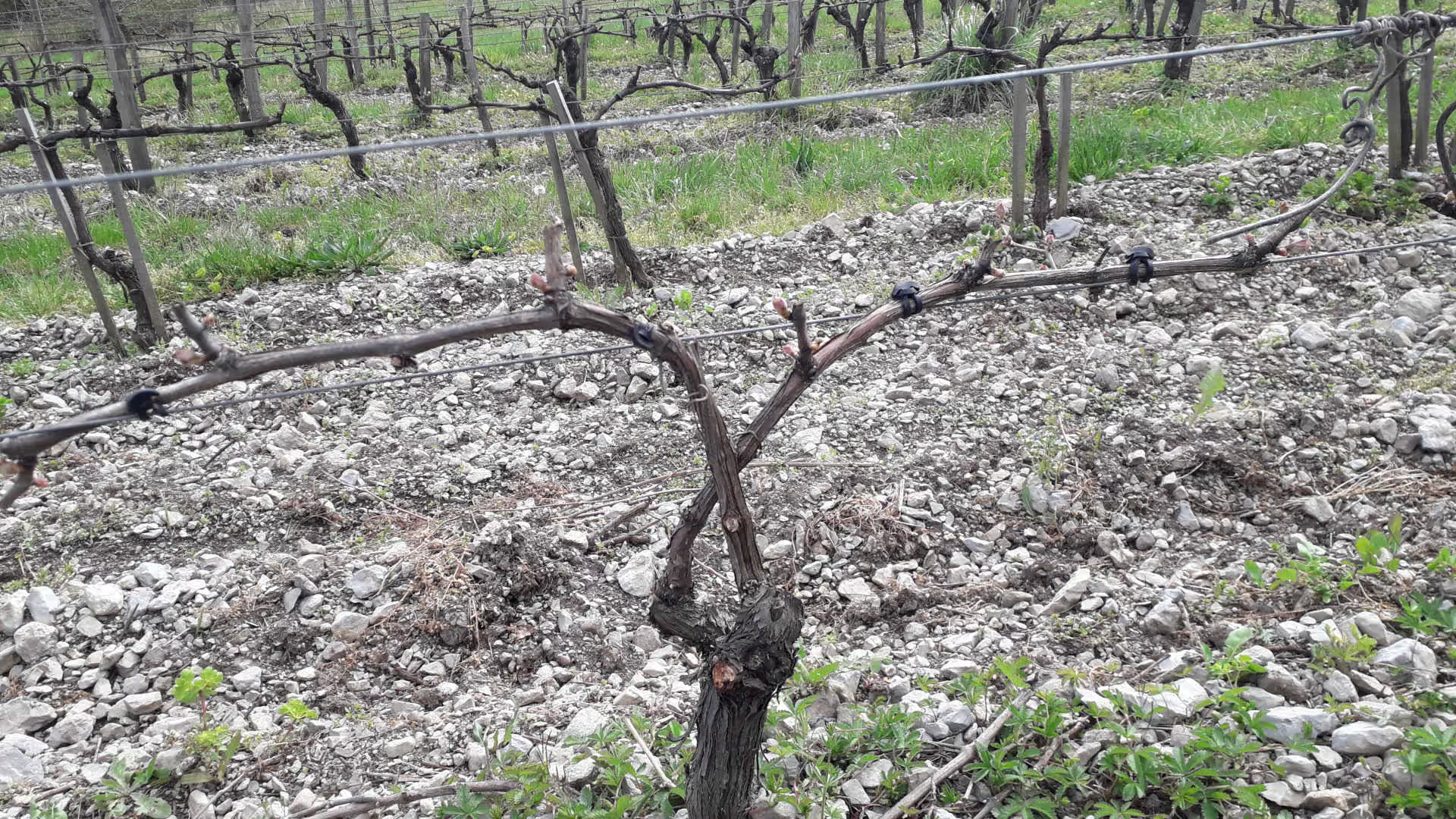
Guyot pruning is common in temperate vineyards such as Burgundy or the Loire. It comes in single or double form. The single version keeps one long fruiting cane and a renewal spur. The double version uses two opposing long canes. This vine-pruning method helps regulate vigor and adjust yield. Guyot works especially well for grape varieties such as Pinot Noir or Sauvignon Blanc.
The advantages and limits of Guyot pruning
Guyot offers good control over bud load. It encourages even ripening of the grapes. However, it requires skilled labor and careful monitoring. Guyot vine pruning can also weaken the vines if cuts are too severe.
Cordon pruning: structure and durability
Cordon pruning is based on a permanent horizontal trunk. Fruiting canes grow from this fixed arm each year. This method makes mechanization easier and reduces pruning time. It works well for vigorous grape varieties such as Syrah or Cabernet Sauvignon. Cordon vine pruning is often used in warm regions.
The advantages and limits of cordon pruning
Cordon ensures an even distribution of clusters along the arm. It simplifies maintenance and mechanical harvesting. On the other hand, it takes several years to train the permanent trunk. Cordon vine pruning can also limit flexibility when adapting to changing climate conditions.
Goblet pruning: tradition and adaptation to hot climates
Goblet pruning forms a short vine with several arms reaching upward. It is done without trellising, which lowers installation costs. Suited to dry, sunny climates, it protects the grapes from direct sunlight. Goblet vine pruning is common in southern France and around the Mediterranean.
The advantages and limits of goblet pruning
Goblet naturally protects clusters from excessive heat. It suits Mediterranean grape varieties such as Grenache or Carignan. On the other hand, this method makes mechanization difficult. Goblet vine pruning requires hand harvesting, which increases costs.
How to choose between Guyot, cordon, and goblet
The choice of vine pruning depends on the grape variety, the climate, and the style of wine. Guyot offers precision and control for delicate varieties. Cordon brings durability and mechanization to vigorous vineyards. Goblet protects against sun exposure and works well in dry areas.
The importance of maintenance and consistency
Whatever method you choose, vine pruning calls for consistency and close observation. Poorly placed cuts can weaken the vine. Annual monitoring helps ensure the vine’s longevity. Winegrowers also adjust pruning according to the conditions of the year.
How vine pruning practices are evolving
Vine pruning techniques are evolving with research and innovation. Some growers adapt Guyot to help limit trunk diseases. Others modify cordon to improve sap flow. Goblet pruning is seeing renewed interest in the context of climate change. These developments show that pruning remains an art in constant adaptation.
If you enjoyed this article, feel free to read the next one, "What wine should you pair with a poké bowl?", which might interest you too!
Good to know:
The best way to get better at tasting is to write down what you taste: colour, nose, palate, and above all what you thought of it. Over time, your notes reveal your preferences far better than any guide. In Oeni, every bottle in your cellar has its own tasting sheet, ready to fill in within seconds.