Summarize this article with
Sparkling wine lovers know Champagne and Prosecco well. And yet German Sekt remains quietly under the radar. Unfairly so. Germany has long been producing sparkling wines of remarkable finesse.
If articles about the wine world interest you, download our app on iOS or Android. It gives you access to our wine glossary, our articles, and our innovative solution, designed for every wine consumer and collector.
A tradition older than you might think
Contrary to popular belief, sparkling wines from Germany are nothing new. Sekt appeared as early as the 19th century. At the time, several German houses drew inspiration from Champagne’s expertise. Some even brought in oenologists from Reims to refine their technique. Since then, Germany has cultivated a unique tradition around this sparkling wine.
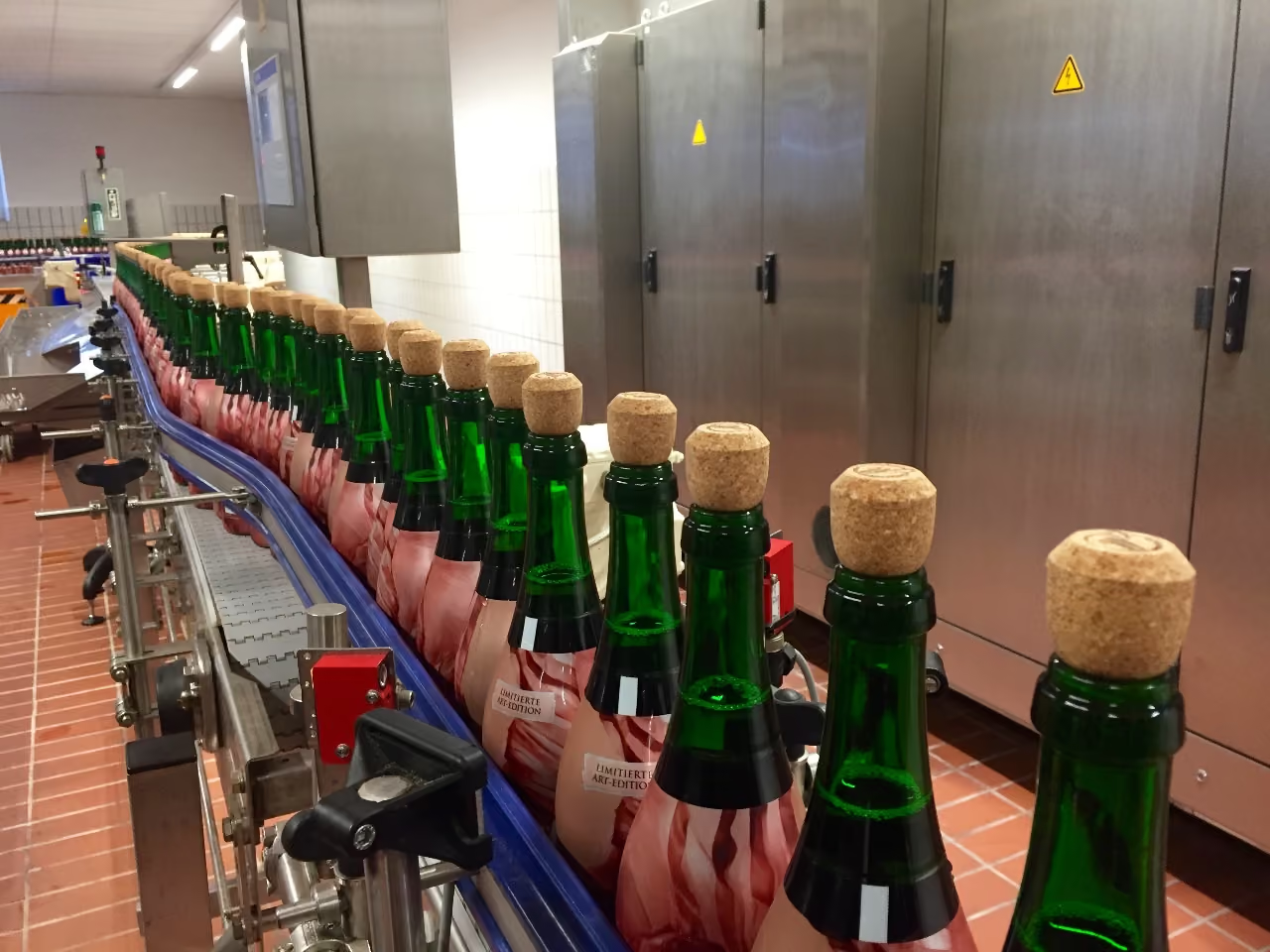
Today, the country produces more than 300 million bottles of Sekt every year. That figure is impressive. Yet beyond Germany’s borders, Sekt’s reputation remains limited. That’s due in part to the fact that it’s consumed so locally.
Sekt: one name, several quality levels`
The term “Sekt” actually covers several different types of wine. Some are made from imported grapes. Others use only German grape varieties. To make sense of it all, a few clues are essential.
Deutscher Sekt: made from grapes grown in Germany. Quality is often average, but prices remain attractive.
Sekt b.A. (bestimmter Anbaugebiete): from a specific wine region. Here, we’re talking about Rheingau, Mosel, or Pfalz. The quality steps up a notch.
Winzersekt: the top tier. This is German Sekt made by a winegrower using the traditional method. The grapes come from the estate. Aging takes place on the lees, just as in Champagne.
Grape varieties that surprise
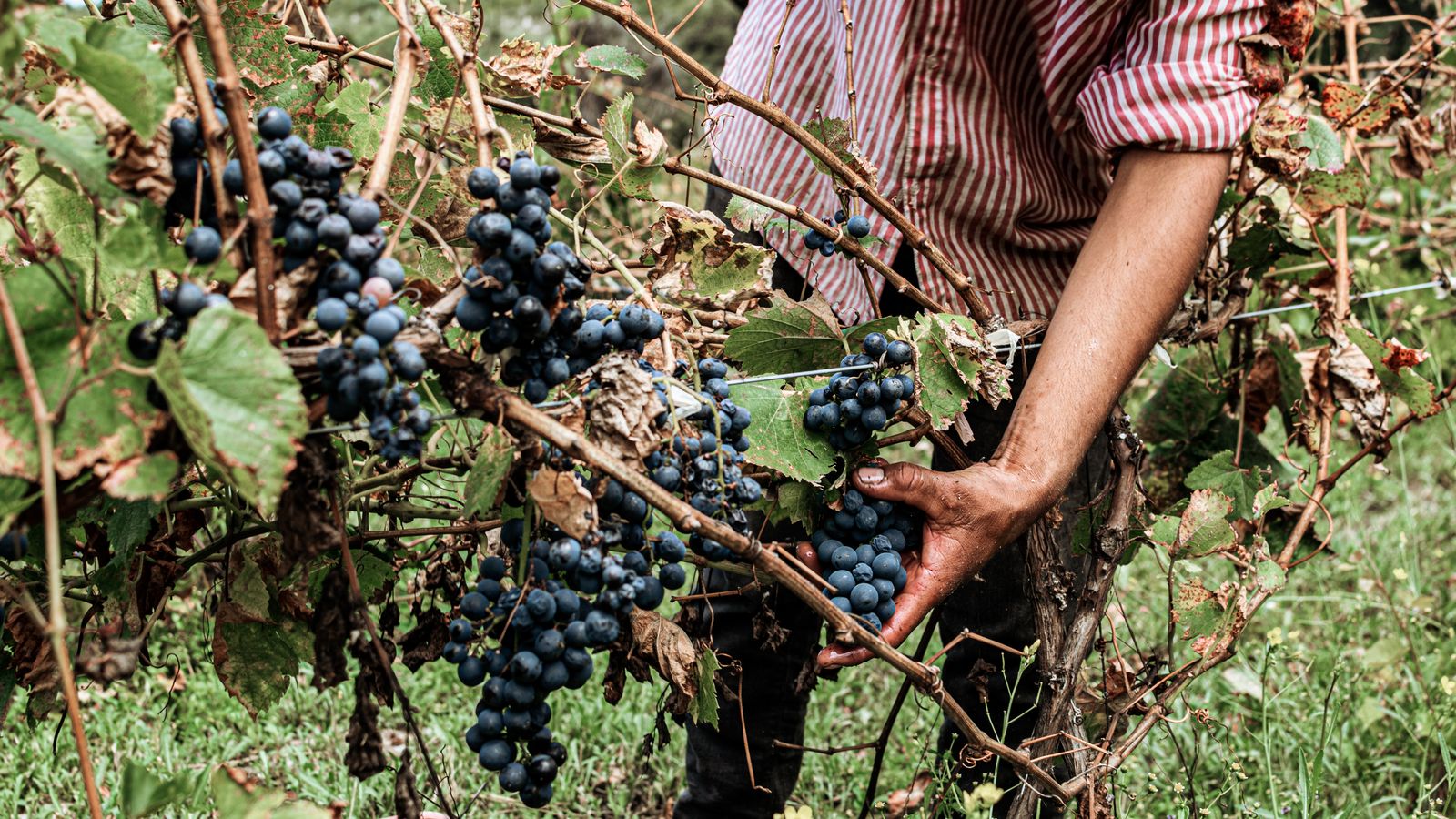
Another distinctive feature of Sekt is its grape varieties. Unlike Champagne, you’ll often find grapes such as Riesling, Silvaner, or Pinot Blanc. Riesling, in particular, brings unmatched freshness and tension. Its natural acidity is a perfect fit for sparkling wine.
Some producers also use Pinot Noir to create refined rosés. These cuvées are winning over more and more fans of German wine. The aromatic profile differs from that of French or Italian bubbles. You’ll find notes of green apple, white flowers, or citrus, sometimes lifted by a fine mineral edge.
Notable houses to discover
Among the producers of premium Sekt, a few names stand out. The domaines Raumland, Griesel, and Von Buhl are among the benchmarks. These houses focus on sustainable viticulture, gentle pressing, and long aging. The result: fine, complex, persistent bubbles.
Raumland, in particular, stands out for its expertise in sparkling wine production in Germany. Some international critics don’t hesitate to compare its cuvées with the greatest Champagnes. Even so, prices remain reasonable for this level of quality.
Why does Sekt stay so discreet?
Despite its quality, German Sekt still suffers from an unflattering image. For a long time, many low-priced bottles flooded the shelves. These industrial Sekts damaged the product’s reputation. Consumers came to associate Sekt with a lower-quality drink.
Fortunately, that’s changing. Young German winegrowers are now championing more artisanal approaches. They’re calling for long aging, precise winemaking, and transparency about where the grapes come from. Thanks to them, Sekt is gradually regaining its noble credentials.
Sekt at the table: a gastronomic ally
German sparkling wines aren’t just for aperitifs. They’re equally at home at the table. Riesling Sekt, for example, pairs beautifully with raw fish or seafood. Its liveliness perfectly balances the richness of salmon or ceviche.
A rosé Winzersekt based on Pinot Noir will elevate poultry or a red berry dessert. Thanks to their well-integrated acidity, these German bubbles lighten dishes and bring flavors into sharper focus. It’s an excellent choice for a meal defined by finesse.
Where can you buy good Sekts?
Discovering German wine often starts with specialist wine merchants. Some importers now offer small-production cuvées. You’ll also find online shops dedicated to European terroir wines. There, you can find rare Winzersekt from tiny domaines.
Another option is to visit Germany’s wine regions. Rheingau, Mosel, and Baden all offer stunning landscapes. It’s also a chance to speak directly with passionate winegrowers. These encounters deepen your connection to the wine and make it possible to buy closer to the source.
A path toward international recognition?
Sekt is starting to get noticed beyond Germany. Michelin-starred sommeliers recommend it. International competitions are rewarding it. This move upmarket is now attracting enthusiasts from around the world. German sparkling wines are gradually finding their way onto the best restaurant wine lists.
Still, there’s a market to win over. It takes time to shake off old clichés. Communication needs to do a better job of highlighting terroir, grape varieties, and local know-how. That means education, tastings, and a stronger spotlight on quality producers.
A sparkling future for German Sekt
With its aromatic potential, diversity of styles, and attractive prices, Sekt has everything it needs to win you over. It offers a serious alternative to better-known bubbles. Curious wine lovers would do well to add it to their cellar. It’s a unique tasting experience, full of finesse and authenticity.
More and more wine professionals are turning to Sekt to surprise their guests. Its gastronomic profile, freshness, and elegance are convincing people quickly. It’s no longer just a festive wine, but a full expression of German terroir.
If you enjoyed this article, don’t miss the next one, "Can you store your wines near a freezer?", which might interest you too!
Good to know:
The best way to get better at tasting is to write down what you taste: colour, nose, palate, and above all what you thought of it. Over time, your notes reveal your preferences far better than any guide. In Oeni, every bottle in your cellar has its own tasting sheet, ready to fill in within seconds.