Summarize this article with
Viticulture is evolving fast, and producers have to adapt to new expectations. Wine diversification is becoming an essential response. It helps broaden revenue streams, secure operations, and drive innovation in production.
If articles about the wine world interest you, download our app on iOS or Android. It gives you access to our wine glossary, our articles, and our innovative solution, designed for every wine consumer and collector.
Why Diversification Matters in Wine
Viticulture faces multiple challenges. Climate change, global competition, and price volatility are putting the sector under real pressure. Producers are looking for sustainable ways to protect the profitability of their estates. Wine diversification offers a way to spread risk and improve competitiveness.
Domaine owners are no longer content to produce only traditional cuvées. They’re exploring new paths, from alternative wine products to wine tourism and the added value of terroir. Every estate strategy is about adapting to a market that never stands still.
Diversifying Wine Products
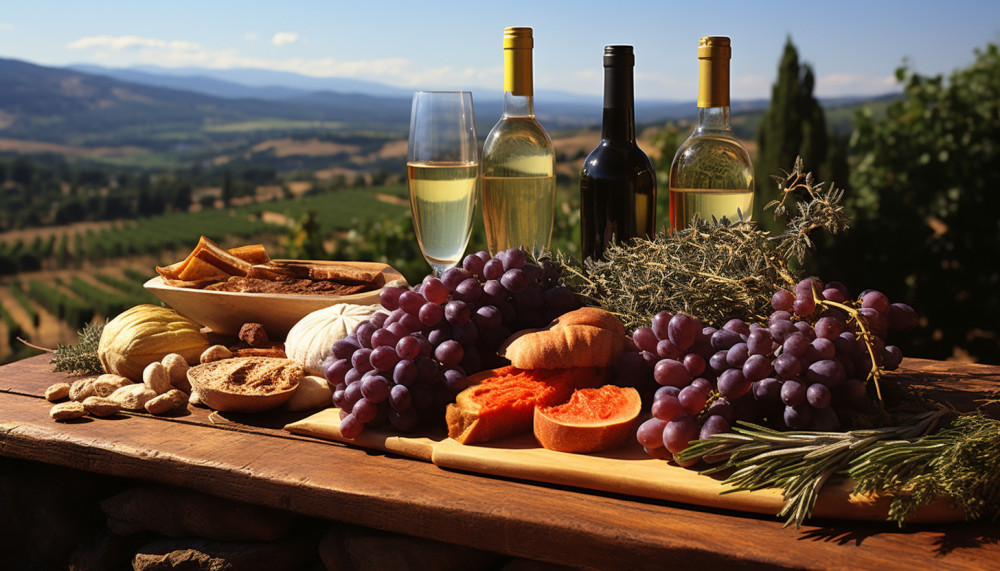
Some producers are developing a broader range of wines. They’re bringing back forgotten grape varieties, making natural wines, or releasing premium cuvées. This estate strategy attracts new consumers who value originality and authenticity.
Others are innovating with derivative wine products. Sparkling wines, dealcoholized wines, and wine-based aperitifs appeal to a wide range of segments. These creations broaden the customer base and strengthen a brand’s presence in the wine market.
Grape-based spirits, such as marc or brandy, also open up new opportunities. They add another dimension to wine diversification and help increase the value of the harvest.
An Estate Strategy Built Around Wine Tourism
Wine tourism is growing fast. Many estates are relying on this strategy to increase revenue. They offer guided tours, tastings, and educational workshops.
Some are also developing on-site accommodation or restaurants. This offering attracts both local and international visitors. The connection between culture, heritage, and wine products makes the destination even more appealing.
This kind of diversification brings greater visibility. It helps position the estate more strongly in the wine market and encourages visitors to return.
Sustainable Farming as a Form of Wine Diversification

Moving toward more environmentally responsible production is another strategic path. Many estates are investing in organic or biodynamic farming. This estate strategy meets the growing expectations of consumers who care about ecology.
Certification strengthens brand image and can sometimes justify higher prices. The wine market is increasingly valuing sustainable, transparent practices.
Some producers are even developing wine products made from disease-resistant grape varieties. This innovation reduces the use of inputs and helps secure the harvest.
Diversification Through Partnerships and Distribution
Wine diversification isn’t only about production. It also includes the way wine is sold. Estates are expanding their distribution channels. They work with wine merchants, online platforms, and exporters.
This estate strategy opens the door to new markets. Direct online sales offer better margins and strengthen the connection with consumers.
Some producers partner with luxury brands, chefs, or specialist retailers. These synergies add value to wine products and create original collaborations in the wine market.
Sensory and Cultural Experiences
Many estates are betting on experience. They host cultural events, concerts, or exhibitions in their cellars. This estate strategy broadens the audience and turns a visit into something truly memorable.
Food and wine pairing is also becoming a major focus. Cooking workshops, themed dinners, and gourmet stays attract curious visitors. Wine products are then showcased in a fresh and inventive way.
This kind of diversification deepens the relationship with wine lovers. It opens up new possibilities in the wine market by bringing the art of living around wine into the picture.
The Challenges of Wine Diversification
Every strategy requires investment. Developing new wine products, welcoming visitors, or converting to organic farming all demand significant resources. Each estate strategy has to be shaped around the resources available.
The wine market is demanding too. Trends move quickly, and consumers are always looking for something new. Producers have to anticipate change without losing their identity.
Wine diversification therefore needs a clear vision. It should strengthen the value of the estate without compromising the quality of the wines.
Digitalization as an Estate Strategy
Digital tools are opening up new opportunities. Estates are developing online shops, virtual tours, and remote tastings. This strategy helps them reach a global audience.
Digital marketing makes it easier to promote wine products. Social media showcases cuvées and tells the story of the estate. Data also helps producers better understand what the wine market is looking for.
This digital direction complements other forms of diversification. It brings a modern, connected dimension to the wine sector.
Toward a Multifaceted Viticulture
Wine diversification is now a strategic necessity. It offers greater resilience in the face of economic and climate-related uncertainty. Producers who explore new paths strengthen their position in the wine market.
Whether it’s creating new wine products, developing wine tourism, or investing in digital tools, every estate strategy opens up opportunities. Consumers benefit from a richer, more varied offering.
If you enjoyed this article, don’t hesitate to read the next one, "How can you store a few bottles without a cellar?", which might interest you too!
Good to know:
The best way to get better at tasting is to write down what you taste: colour, nose, palate, and above all what you thought of it. Over time, your notes reveal your preferences far better than any guide. In Oeni, every bottle in your cellar has its own tasting sheet, ready to fill in within seconds.