Summarize this article with
When people talk about wine, France, Italy, or Spain often come to mind first. Yet Lebanese wine has a story all its own — ancient, distinctive, and full of surprises. This small country, set between the Mediterranean Sea and the mountains, is home to rich terroirs, a wide range of grape varieties, and passionate winegrowers.
If articles about the wine world interest you, download our app on iOS or Android. It gives you access to our wine glossary, our articles, and our innovative solution, designed for every wine drinker and collector.
One of the world’s oldest winemaking traditions
Lebanon hasn’t been making wine just since yesterday. Archaeological excavations have uncovered traces of winemaking dating back more than 5,000 years. The Phoenicians, a seafaring trading people, exported their amphorae of Lebanese wine as far as Egypt, Greece, and even Spain.
That tradition never disappeared. It survived the Roman, Byzantine, Arab, and Ottoman eras. Despite conflict, crisis, and religious change, wine has kept its place in local culture.
The Bekaa Valley, the heart of the vineyard
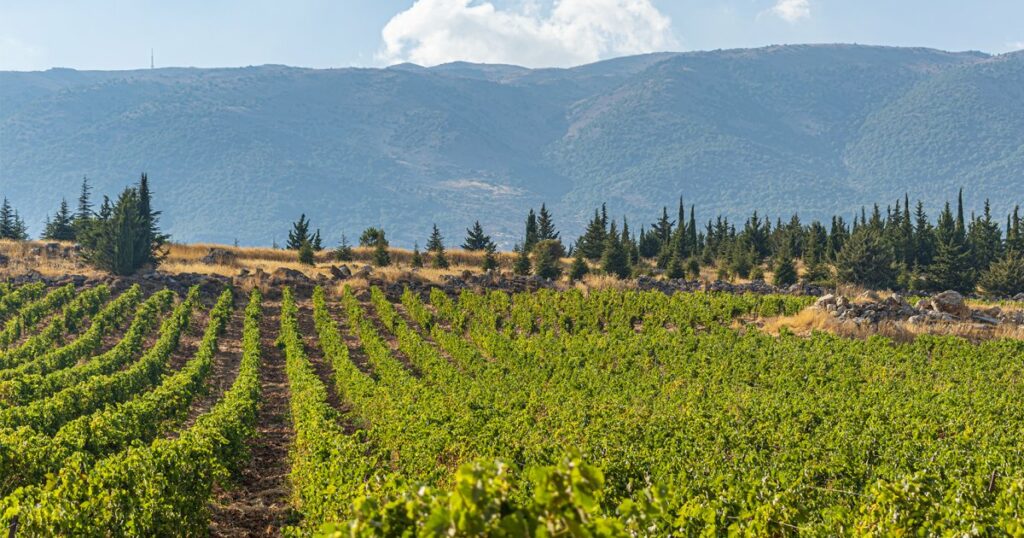
The heart of Lebanese wine beats in the Bekaa Valley. This fertile plain, nestled between two mountain ranges, enjoys an exceptional climate. Altitude, limestone soils, and abundant sunshine create ideal conditions for vines.
Most Lebanese wineries are found here, including some of the best known: Château Ksara, Château Kefraya, Domaine des Tourelles, and Ixsir. These estates blend tradition and innovation, often working with sustainable or organic farming methods.
Local and international grape varieties
Lebanon grows French grape varieties such as Cabernet Sauvignon, Syrah, and Cinsault. These grapes adapt very well to the country’s conditions. They produce powerful, generous reds with aromas of black fruit, spice, and garrigue.
But Middle Eastern wines are not limited to European grape varieties. You’ll also find native grapes such as Obeidi and Merwah. These white grapes produce dry, floral wines, sometimes with a slight oxidative edge, and a very distinctive character.
This blend of local traditions and European influences gives Lebanese wineries a signature all their own.
A mountain wine with a Mediterranean profile
Lebanon is a country of mountains. Many vineyards grow between 800 and 1500 meters above sea level. This natural coolness balances the Mediterranean heat. It helps produce elegant, structured wines that are often beautifully balanced.
Lebanese wine expresses that duality. It brings together sunshine, ripeness, and freshness. The reds have body without heaviness. The whites keep a lively acidity, even in a warm climate. This style appeals to anyone looking for wines that are sun-kissed yet refined.
The historic role of the monasteries
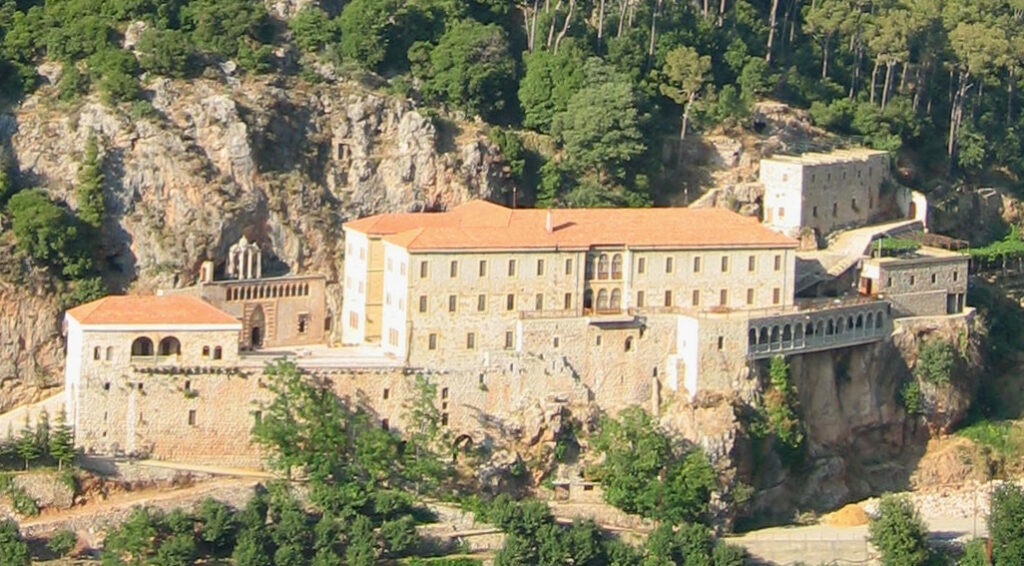
During the centuries when alcohol was banned under Ottoman rule, Christian monasteries preserved the art of winemaking. They produced wine for Mass, but also for local consumption.
Even today, some monasteries continue that tradition. The best known is undoubtedly Ksara, founded by Jesuit monks in 1857. Today, this domaine is a major player in Lebanese wine, exported to more than 40 countries.
Resilient viticulture in the face of crisis
Lebanon has lived through civil war, political tension, and economic crisis. Even so, Lebanese wineries kept producing. They held on, adapted, and innovated. Wine has become a symbol of resilience and pride.
A new generation of winegrowers is returning home. They’re taking back land, experimenting with natural winemaking, and replanting old grape varieties. This renewal brings wonderful energy to Middle Eastern wines, which grow in reputation every year.
Wines you absolutely need to discover
Among the reds, you’ll find:
- Château Musar: a legendary wine, complex and aged for a long time in the cellar.
- Domaine des Tourelles: cuvées full of authenticity, whether natural or more classic in style.
- Château Kefraya: known for its powerful reds, but also its elegant whites.
As for the whites:
- Ixsir Altitudes: a fresh, taut white, perfect for aperitifs or fish.
- Château Marsyas: a modern domaine, with precise methods and carefully crafted blends.
These Lebanese wines deserve a place in every cellar that’s curious and open to the world.
How should you add these wines to your cellar?
Lebanese wine often ages very well. Reds can be kept for 10 to 15 years depending on the cuvée. They gain complexity with time. White wines made from Obeidi also offer good aging potential, especially the more structured ones.
Store these bottles away from light, in a cool, stable place. Lebanese wineries often provide detailed technical sheets. This information helps you anticipate the best drinking windows.
Food and wine pairings with Lebanese specialties
Middle Eastern wines pair beautifully with Lebanese cuisine. A fleshy red goes wonderfully with spiced lamb. A lively white works with a mezze of hummus, tabbouleh, and labneh. A fruity rosé is a great match for grilled dishes.
These pairings extend the journey. They create harmony between the wine, the dish, and the culture. Discovering Lebanese wineries also means discovering a cuisine that’s refined, colorful, and generous.
An invitation to explore
Lebanon offers a dynamic, appealing wine scene that still deserves far more attention. Its history, climate, and diversity give rise to original, sincere cuvées. Lebanese wine deserves to be discovered, tasted, and shared.
Whether you’re drawn to new discoveries or passionate about history, these Middle Eastern wines bring rare richness. They open your cellar to other landscapes, other climates, and other voices.
If you enjoyed this article, don't hesitate to read the next one, "The Most Common Mistakes in Wine Cellar Management", which might interest you too!
Good to know:
The best way to get better at tasting is to write down what you taste: colour, nose, palate, and above all what you thought of it. Over time, your notes reveal your preferences far better than any guide. In Oeni, every bottle in your cellar has its own tasting sheet, ready to fill in within seconds.