Summarize this article with
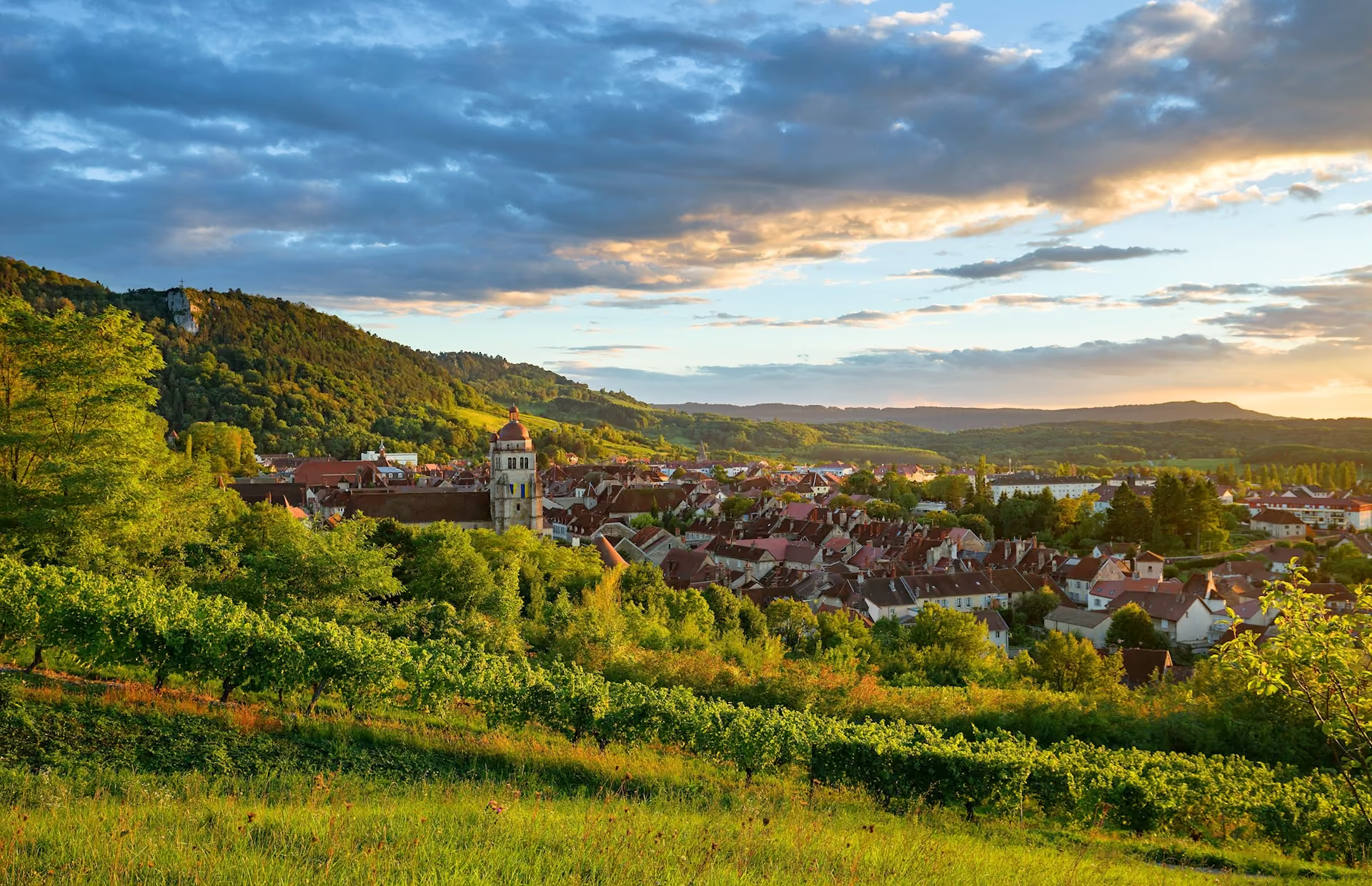
Between mountains, forests, and valleys, the Jura is home to treasures that are still little known. Exploring its vineyards on a multi-day journey offers a unique experience, blending natural discovery with wine appreciation. This singular region is full of hidden gems for anyone interested in Jura wine, unspoiled landscapes, and Jura grape varieties.
If articles about the wine world interest you, download our app on iOS or Android. It gives you access to our wine glossary, our articles, and our innovative solution, designed for every wine consumer and collector.
A discreet region rich in winemaking traditions
The Jura doesn’t have the fame of Bordeaux or Burgundy. And yet, its wines captivate enthusiasts in search of authenticity. Wine tourism in the Jura appeals through its intimate atmosphere and its close bond with terroir. Here, viticulture remains hands-on and deeply human.
Winegrowers take the time to share their knowledge. You’ll discover not only rare cuvées, but also a culture that runs deep.
Wine villages such as Pupillin, Montigny-lès-Arsures, and Château-Chalon open their doors to the curious. These small towns welcome travelers into cellars carved into the rock or tucked inside historic buildings. Here, you’ll taste wines that are as surprising as they are powerful.
Jura grape varieties: singularity and character
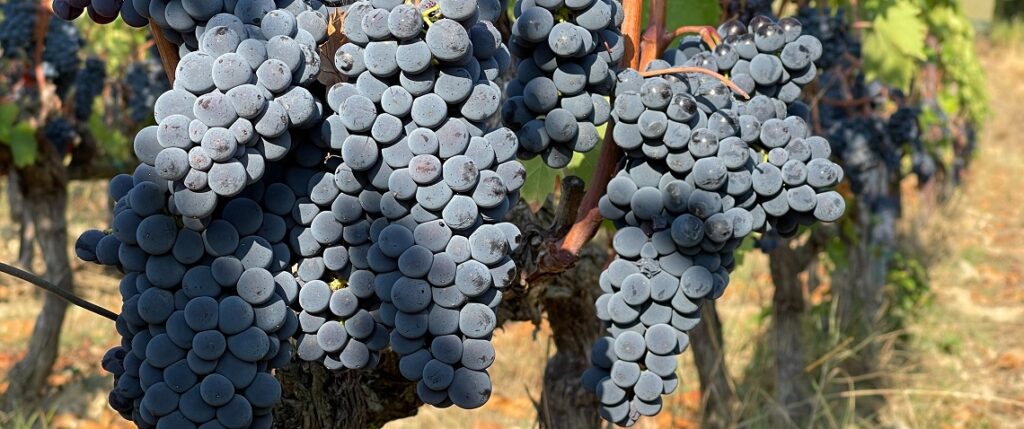
The Jura wine region stands apart for its distinctive grape varieties, rarely found elsewhere. Savagnin, the region’s signature grape, gives rise to the famous vin jaune. This wine ages under a veil of yeast for at least six years, developing aromas of walnut and spice.
Trousseau and Poulsard produce light, fruity, pale reds. Chardonnay, meanwhile, expresses itself differently on Jura soils, with more tension and a saline edge. Each grape variety tells part of the story of the region.
Thanks to these rare varieties, a journey here becomes a tasting adventure. Every domaine holds a surprise, an unexpected profile, an original approach to winemaking.
Planning your route: from Poligny to Arbois
Starting in Poligny lets you dive quickly into the Jura wine world. This historic town is home to the Institut du Fromage and offers plenty of local restaurants. Here, you can pair Jura wines with aged Comté.
Following the ridge roads, you’ll reach Arbois, the capital of Jura wines. The town charms visitors with its energy and the variety of its cellars. Louis Pasteur’s house, open to the public, recalls the scientific history of fermentation.
Along the way, the vines accompany your steps or your pedal strokes. The winding back roads open onto sublime views. Rest areas and guesthouses line the route, making it ideal for a gentle, unhurried journey.
Arbois, the beating heart of Jura wine tourism
In Arbois, winegrowers welcome visitors with real passion. You can taste natural wines, cuvées aged in amphorae, or rare older vintages. The Saturday morning market is packed with regional produce to pair with local wines.
The tourist office also offers guided wine hikes. These walks between vineyards and forests let you explore the world of Jura wine from a different angle. They’re just as appealing to families as they are to seasoned wine lovers.
Many family-run cellars open their doors for guided tastings. These encounters are an essential part of wine tourism in the Jura, rooted in closeness and connection.
Recommended detours: Pupillin, Rotalier, Lavigny
Pupillin, self-proclaimed "capital of Ploussard", is well worth a detour. Here, this Jura grape variety yields very pale reds, almost rosé in color, with notes of red fruit and spice.
In Rotalier, in the southern Jura, bold winegrowers are experimenting with new methods. The journey also leads to young, innovative producers who are reinventing Jura’s codes.
In Lavigny, the vineyards overlook the Bresse plain. From here, you can watch the sun set while tasting a crisp, mineral Chardonnay. This stop offers the perfect balance between nature and culture.
Travel differently: on foot, by bike, or by van

Exploring the Jura vineyards on foot lets you sink into the rhythm of the terroir. Many marked trails cross the wine-growing areas and villages. Each hike becomes a sensory pause between vines and forest.
By bike, the distances shrink. It’s easy to link several cellars in a single day while enjoying the changing scenery. The Jura offers several cycling loops suited to every level.
For more freedom, van travel is increasingly appealing to wine lovers. It lets you sleep close to the vines and explore more remote corners. Several domaines welcome overnight stops by reservation.
Immersive experiences with winegrowers
Some domaines offer immersive workshops. You can take part in the harvest, watch the pressing, or learn about aging in oak. These experiences give tasting a whole new meaning. They deepen the connection between the wine and the person drinking it.
Short courses also teach you how to taste. Led by oenologists, they provide the basics you need to better understand Jura wines. These shared moments create a valuable sensory memory.
Most winegrowers also share their story, their farming philosophy, or their approach to winemaking. That makes every bottle feel more personal, more alive.
Staying among the vines or in a village
The Jura offers plenty of places to stay among the vines. From simple guest rooms to eco-friendly cottages, there’s something for every style. Sleeping in the heart of the vineyard extends the tasting experience.
In the villages, characterful houses offer comfort and immersion. They also give you the chance to chat with locals and enrich your route with insider tips.
Finally, some domaines have private cottages with views over the vines. These places let you enjoy the peace and quiet while staying close to the cellars.
Respecting the land and preserving authenticity
On a wine tourism trip through the Jura, it’s important to respect the land and the people. The vines are working spaces. Stay on marked paths, don’t pick the grapes, and don’t enter without permission.
Buying one or two bottles after a tasting is also a welcome gesture. It supports the winegrowers while letting you extend the pleasure at home.
Choosing local accommodation, eating in inns, or visiting markets helps tourism have a positive impact on the region.
If you enjoyed this article, don’t hesitate to read the next one, "Blind wine tasting competitions: a mental sport", which might also interest you!
Good to know:
The best way to get better at tasting is to write down what you taste: colour, nose, palate, and above all what you thought of it. Over time, your notes reveal your preferences far better than any guide. In Oeni, every bottle in your cellar has its own tasting sheet, ready to fill in within seconds.