Summarize this article with
The world of wine is full of fascinating techniques. Among them, cryoextraction is attracting more and more lovers of sweet white wine. This method is based on a simple but innovative idea: using cold to concentrate the grape’s aromas.
If you’re interested in articles about the world of wine, download our app on IOS or Android. It gives you access to our wine glossary, our articles, and our innovative solution, designed for every wine consumer and collector.
A modern method inspired by nature
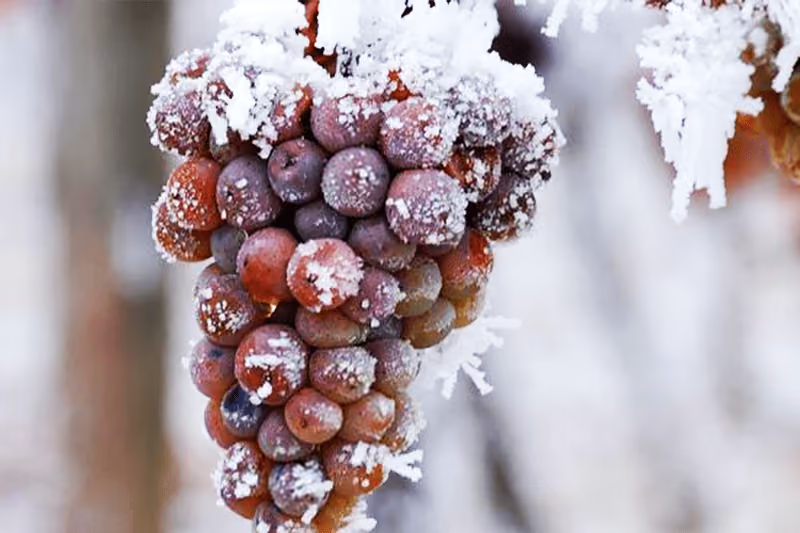
The principle behind cryoextraction in wine is inspired by what happens naturally in late-harvest wines and ice wines. The grapes are artificially chilled before pressing. This makes it possible to remove the water as ice and keep only the most concentrated juice.
The technique therefore differs from traditional harvesting. Here, the goal isn’t simply over-ripening. Cold becomes an extraction tool. Thanks to this, the winegrower concentrates the fruit’s sugars, acids, and aromatic compounds.
How does cryoextraction work?

It all starts with perfectly ripe clusters. Once harvested, they’re placed in cold storage between -5 and -8°C. This moderate temperature is enough to partially freeze the water contained in the berries, without damaging the fruit’s internal structure.
After several hours of chilling, the grapes are pressed. Only the unfrozen fraction flows out. This rich, aromatic juice becomes the base of the technical sweet white wine. The whole process demands precision, hygiene, and carefully controlled timing.
The flavor benefits
By using cryoextraction, winegrowers aim for one thing: to elevate the aromatic profile. The cold prevents the juices from oxidizing. That guarantees intense freshness and beautiful tension on the palate.
What’s more, this method heightens floral and fruity aromas. It offers a perfect balance between sugar and acidity. Enthusiasts will find notes of pear, quince, apricot, and even orange blossom.
An alternative to noble rot
Traditionally, sweet white wines come from grapes affected by botrytis cinerea. This fungus, also known as noble rot, dehydrates the berries and increases their concentration. However, this phenomenon remains unpredictable. It depends on humidity, wind, and temperature.
Cryoextraction in wine therefore offers a more stable and predictable solution. It makes it possible to achieve a similar level of quality without depending on the whims of the climate. In that sense, it suits colder regions or areas less prone to botrytis.
A technology that requires resources
The downside of this method is its cost. It requires specialized equipment to chill the grapes. Cold rooms, temperature controls, and longer pressing times all demand a real investment.
That explains why the technique remains marginal. It mainly appeals to estates looking for precision. You’ll find it in high-end cuvées, made in small quantities and often released in limited runs.
A fruit-respecting approach
Unlike other methods, cryoextraction requires no additives. It relies on gentle extraction that respects the fruit’s natural aromas. The result is an authentic wine that faithfully reflects the terroir.
That’s also a plus for consumers who value transparency. They know their technical sweet white wine comes from a natural process, without chemical manipulation.
Examples of wines made through cryoextraction
In Alsace, some producers use this method on Gewurztraminer. The result? Explosive wines on the nose, yet balanced on the palate. In the Loire, Chenin Blanc also lends itself well to this technique. The result is elegant sweet wines with notes of candied citrus and honey.
In Canada, cryoextraction is used alongside ice harvests. It makes it possible to vinify grapes picked just before the deep freeze sets in. That ensures greater control over aromatic profiles.
Toward wider adoption of the method?
With climate change, late harvests are becoming riskier. Shifting weather patterns hinder the development of botrytis. In this context, cryoextraction offers a compelling alternative for sweet wine production.
Some estates are beginning to invest in mobile cold rooms. That lowers the initial cost and makes the technique more accessible. Cooperatives could also pool equipment and offer it to their members.
A wine made for the table
Wines made through cryoextraction pair beautifully with food. Their sweetness balances spicy dishes, blue cheeses, and fruit-based desserts. They also work beautifully as an aperitif, served well chilled.
Sometimes, one glass is enough to discover another side of sweet white wine. Their refined structure and aromatic intensity rarely leave anyone indifferent. Chefs love them for the bold pairing possibilities they offer.
The future of cryoextraction
At a time of climate challenges, winegrowers have to adapt. Cryoextraction in wine fits into this logic of controlled innovation. It respects the grapes while delivering consistent quality.
It also reflects changing tastes. Today, enthusiasts are looking for balanced sweet wines that are expressive yet easy to drink. Cryoextraction meets that expectation with precision.
If you enjoyed this article, don’t hesitate to read the next one, "Predictive Taste Analysis: Toward a Bespoke Wine", which might also interest you!
Good to know:
The best way to get better at tasting is to write down what you taste: colour, nose, palate, and above all what you thought of it. Over time, your notes reveal your preferences far better than any guide. In Oeni, every bottle in your cellar has its own tasting sheet, ready to fill in within seconds.