Summarize this article with
Wine tasting is attracting more and more curious enthusiasts. Yet many people still make avoidable mistakes. Every tasting mistake limits your understanding of wine and dulls the sensory experience.
If articles about the world of wine interest you, download our app on iOS or Android. It gives you access to our wine glossary, our articles, and our innovative solution, designed for every wine consumer and collector.
Neglecting preparation before the tasting
A successful amateur tasting starts long before you pour the wine into the glass. Many people forget how important the setting is. A scented room interferes with the aromas. Too little light makes it hard to observe the wine’s appearance. Choosing the right moment also helps you avoid palate fatigue. Wine education always becomes more precise when your senses are fully available.
Serving wine at the wrong temperature

Wine needs the right conditions to show its best side. A common tasting mistake is serving red wine too warm. Alcohol then overwhelms the nuances. On the other hand, an ice-cold white wine hides aromatic finesse. Every wine style has an ideal range. Respecting the right temperature is an essential part of learning about wine.
Ignoring the importance of the glass you use
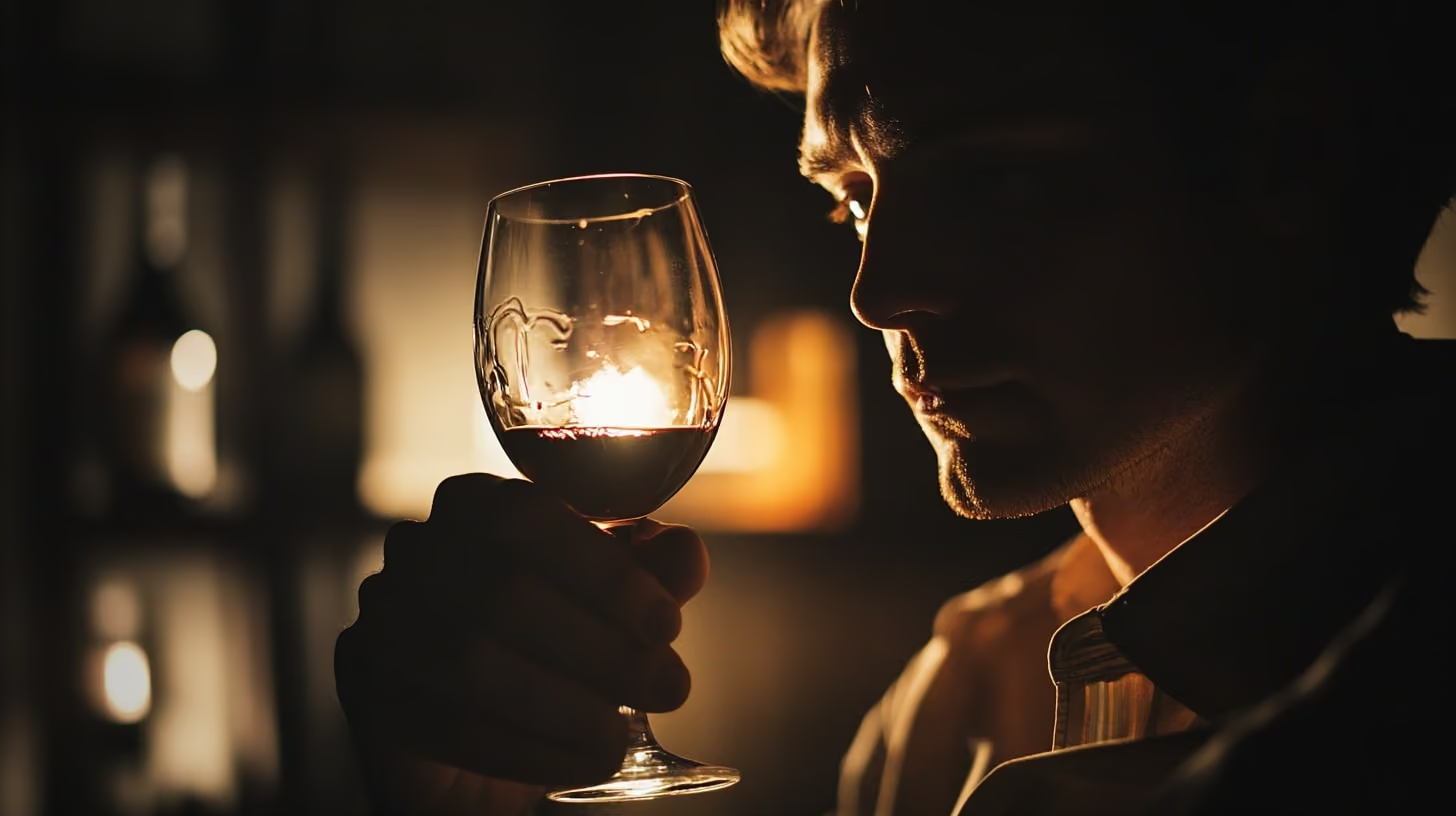
A small detail can transform the experience. Many enthusiasts choose glasses that aren’t suited to the wine. A tumbler or a thick glass limits aeration. The aromas stay closed and lose complexity. A tulip-shaped glass helps concentrate the aromas. Choosing the right glass is a key step in wine education and in any amateur tasting.
Rushing through the tasting
Tasting takes time and attention. A frequent tasting mistake is drinking too quickly. Swallowing in one gulp prevents sensory analysis. Your eyes should observe the wine’s appearance, your nose should explore the aromas, and your palate should feel the balance between acidity, tannins, and length. Slowing down remains a valuable asset in learning about wine.
Neglecting the order in which wines are served
The order in which you serve wines shapes perception. Starting with a powerful wine often overwhelms a lighter one. This tasting mistake distorts comparison and clouds analysis. The classic rule favors young wines before older ones, and dry wines before sweet ones. Respecting that balance makes for a smoother, more enjoyable introduction to wine.
Relying only on the label
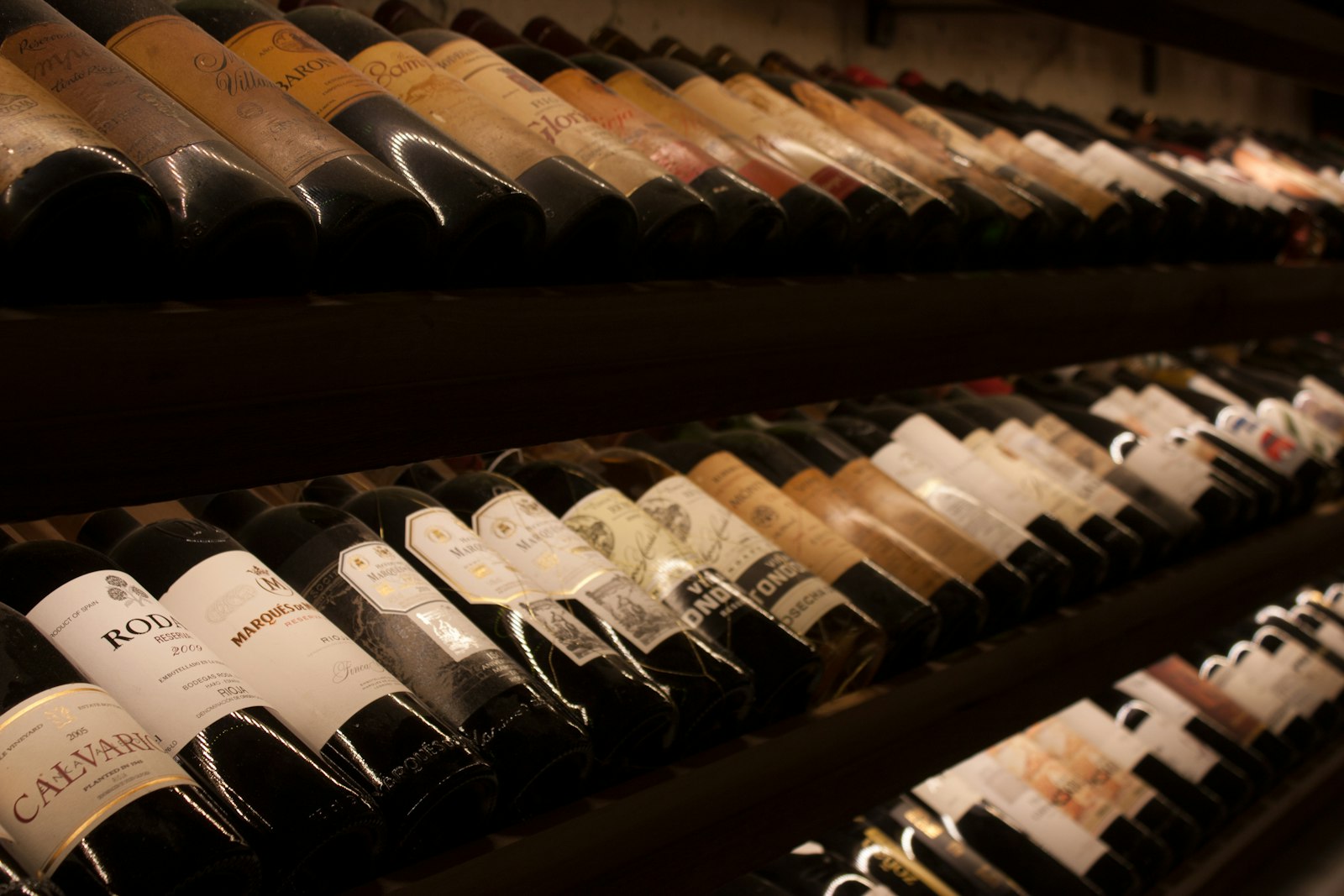
A prestigious bottle often impresses beginners. Yet the name or price doesn’t guarantee perceived quality. Believing that a great appellation always outshines a quieter region is a classic tasting mistake. Learning about wine depends on an open mind. Tasting without prejudice enriches the experience and sharpens the critical eye of amateur tasters.
Confusing intensity with quality
Many enthusiasts look for powerful aromas. Yet a delicate wine has its own richness too. Treating strength as proof of quality is a common tasting mistake. Wine education helps you understand that balance matters more than power. A subtle wine can bring as much pleasure as a concentrated one. Wine tasting teaches you to recognize those nuances.
Forgetting to compare several wines

An amateur tasting becomes more interesting when you compare wines side by side. Limiting yourself to a single bottle reduces learning. Comparison sharpens the palate and reveals contrasts. Failing to vary the styles is a limiting tasting mistake. Exploring different regions broadens your knowledge and strengthens wine education.
Talking too much without listening to your senses
Conversation enriches a tasting, but it shouldn’t take over. A widespread tasting mistake is talking more than feeling. Other people’s opinions influence perception. Effective wine education comes from listening to your own sensations. Wine tasting begins with inner observation before collective sharing.
Neglecting sensory memory
Many enthusiasts don’t take notes. Yet aroma memory fades quickly. Forgetting to write down your impressions keeps you from progressing. This tasting mistake blocks growth in wine education. Noting the appearance, nose, and palate is a powerful tool. Wine tasting gains depth through this regular follow-up.
Wanting to understand everything immediately
The world of wine is complex. Some beginners quickly lose heart when faced with so many technical terms. Believing you can learn everything at once is a tasting mistake. Wine education takes patience and consistency. Every experience helps develop the palate. Amateur tasting then becomes an ongoing pleasure rather than a stressful test.
Neglecting food and wine pairings
Tasting doesn’t stop at the glass. The pairing between a dish and a wine can transform the experience. Forgetting this dimension is a classic tasting mistake. Learning about wine includes discovering how textures and flavors come together. Wine tasting becomes richer when it’s part of a meal. Amateur tasting then takes on a convivial, delicious dimension.
Thinking there is only one absolute truth
Many people believe there’s only one interpretation of a wine. Yet tasting remains subjective. Everyone perceives it differently depending on their experience. Believing in a single truth is a common tasting mistake. Wine education teaches humility. Wine tasting encourages you to share and compare viewpoints. Richness comes from the diversity of perceptions.
Wanting to impress rather than learn
Some enthusiasts try to use complex vocabulary. Yet that doesn’t guarantee better understanding. This attitude is a common tasting mistake. Learning about wine values sincerity over showmanship. An authentic amateur tasting rests on curiosity and personal feeling. Wine tasting flourishes in the simplicity of exchange.
Forgetting that tasting should remain a pleasure
Beyond the rules, wine tasting remains a moment of sharing. Turning the experience into a school exercise kills the excitement. This tasting mistake often shows up among overly demanding enthusiasts. Wine education should stay playful. A successful amateur tasting combines rigor and pleasure. Wine tasting then becomes a rewarding, joyful sensory adventure.
If you enjoyed this article, feel free to read the next one, "The Wine Treasures of Southwest England", which may also interest you!
Good to know:
The best way to get better at tasting is to write down what you taste: colour, nose, palate, and above all what you thought of it. Over time, your notes reveal your preferences far better than any guide. In Oeni, every bottle in your cellar has its own tasting sheet, ready to fill in within seconds.