Summarize this article with
Sleeping among the vines is increasingly appealing to wine lovers and nature enthusiasts alike. This kind of escape offers far more than just a night in a picturesque setting. It gives you a full immersion in the world of wine, a chance to meet the craftspeople behind the flavors, and a series of truly unique moments.
If articles about the wine world interest you, download our app on iOS or Android. It gives you access to our wine glossary, our articles, and our innovative solution, designed for every wine consumer and collector.
Understanding the spirit of wine tourism accommodation
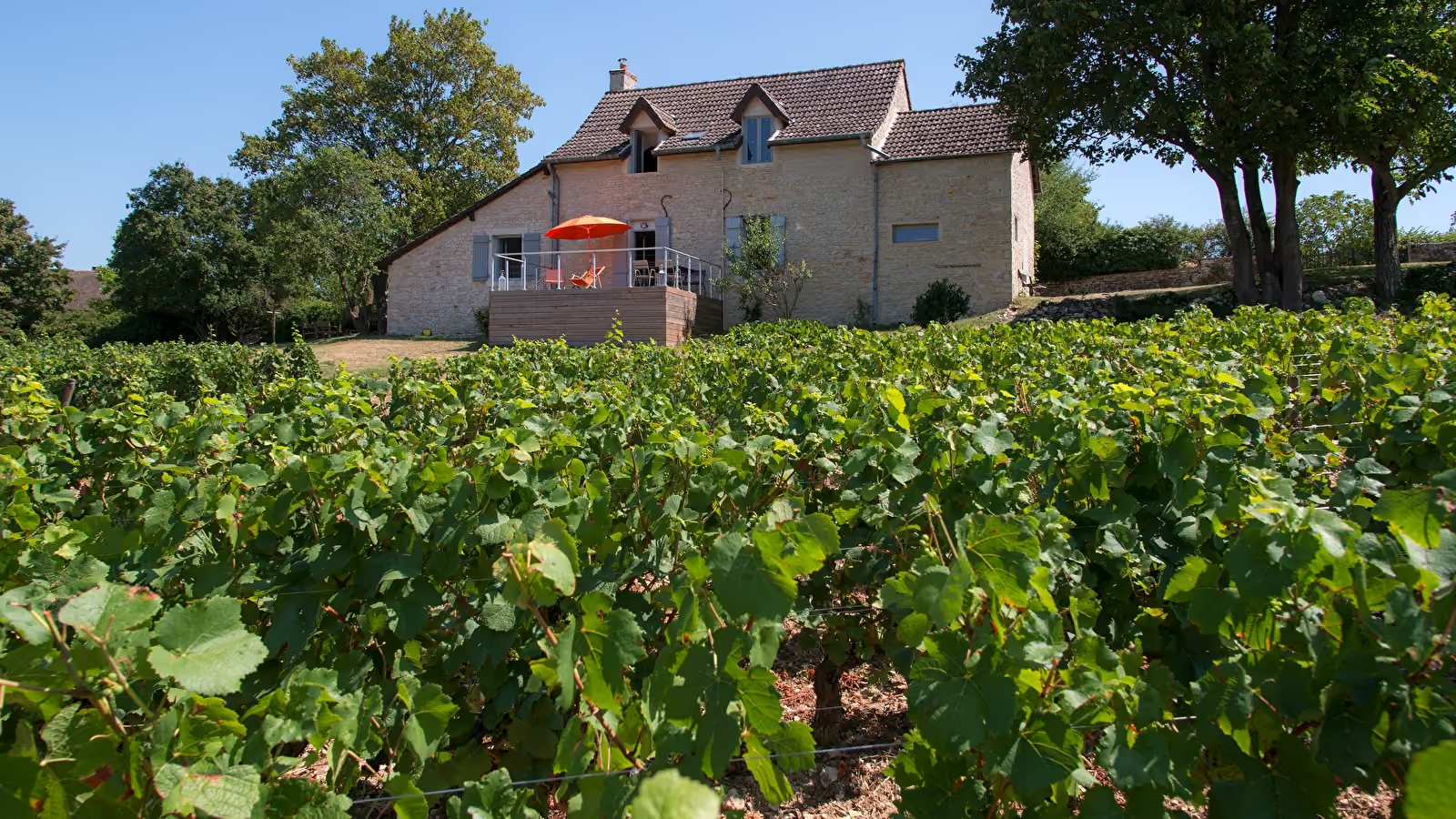
Wine tourism accommodation is nothing like a standard hotel. It’s built around sharing and authenticity. The winegrower offers a room or a gîte on the estate. They may also open the doors to the cellar, the vineyards, the wine cellars, and sometimes even the family table.
This kind of stay is rooted in a genuine desire to connect. The welcome is often warm, but also more informal. You need to embrace a certain sense of letting go. The luxury isn’t in cutting-edge amenities, but in a sincere, passionate human experience.
Choosing the right estate for your expectations

Not every estate offers the same experience. Some focus on peace and nature. Others lean into lively atmospheres, tastings, or gastronomy. Before you book, take time to think about what you want. Do you want to take part in vineyard life? Would you rather have peace and quiet? Are you looking for an organic cellar or a grand cru?
By weighing up these elements, you can refine your shortlist. A great stay with a winegrower starts with the right match between the place and your travel plans.
Checking the facilities on offer
Even if you’re going for an immersive experience, you should still expect a certain level of comfort. A successful night on a wine estate means decent bedding, a clean bathroom, and basic amenities. Some gîtes even offer fully equipped kitchens, swimming pools, or landscaped outdoor spaces.
Read the accommodation description carefully. Don’t hesitate to ask the owner questions. It helps you avoid unpleasant surprises and gives you a better sense of how seriously the welcome is taken.
Reading reviews and testimonials
Accommodation platforms often contain very useful feedback. Read the reviews to get a feel for the real atmosphere of the place. Some travelers highlight the winegrower’s kindness. Others mention the quality of the wines or the activities on offer.
A successful wine tourism stay depends as much on the welcome as on the surroundings. Reviews also help you anticipate certain constraints, such as isolation or difficult access to the estate.
Checking tasting opportunities
A stay with a winegrower without a tasting would lose some of its charm. Most estates offer moments of discovery. That might mean a cellar tour, a workshop on grape varieties, or an aperitif at sunset.
Check whether the tasting is included in the nightly rate. Some estates charge separately for these experiences. Others reserve them for groups only. Clarify this before you book, especially if tasting is a major goal of your trip.
Taking the season into account
Not every time of year offers the same experience. Summer brings a festive atmosphere and a range of events. Winter is quieter, but some estates partially close. Spring is ideal for watching the vines come back to life. And autumn often coincides with the harvest, a magical time.
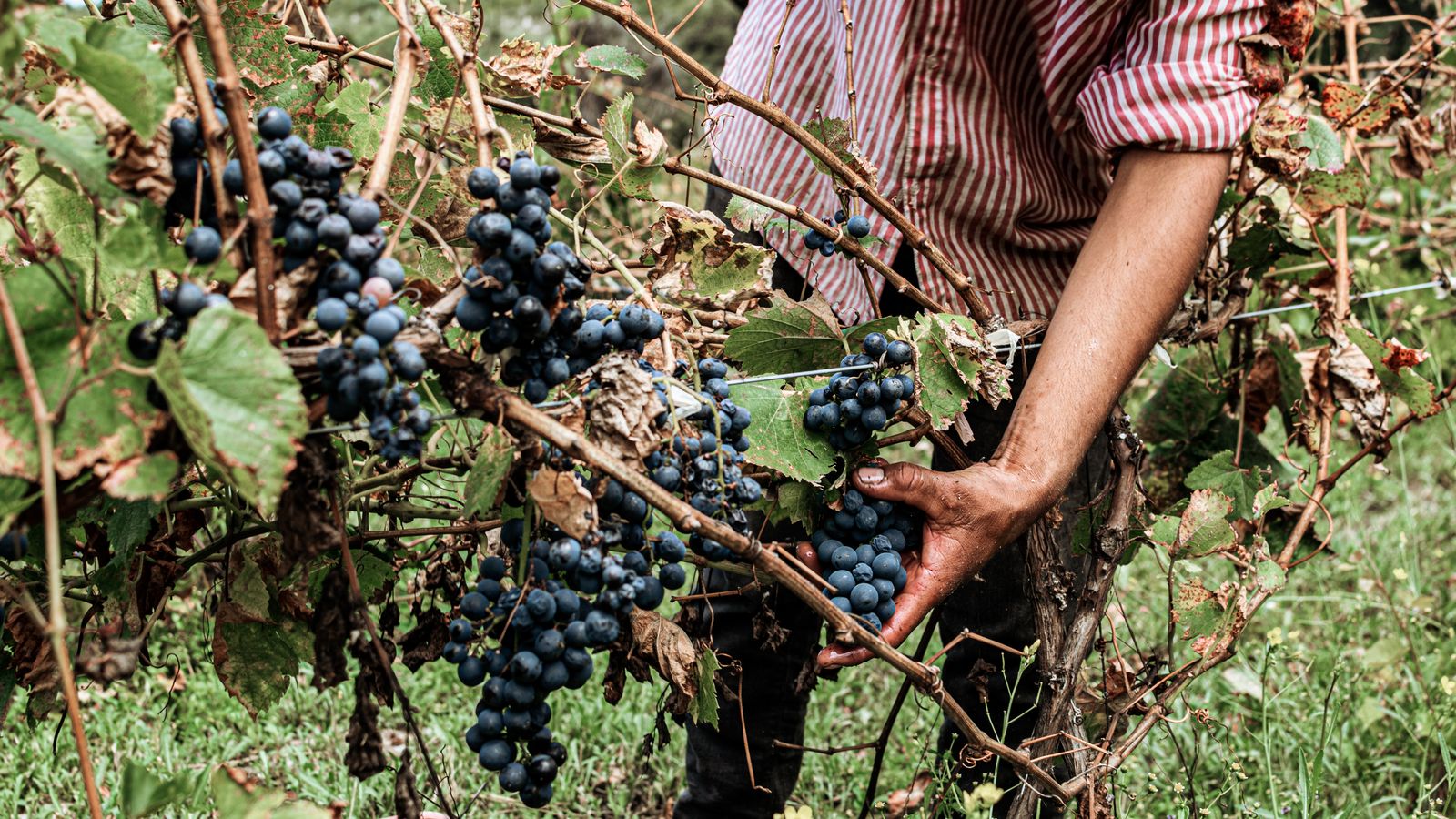
Booking a night on a wine estate in September sometimes lets you take part in the grape harvest. You’ll get a behind-the-scenes look at winemaking. But you need to plan ahead, because demand rises quickly.
Daring to meet and connect

The success of a wine tourism stay depends on the relationship you build with your host. Don’t be afraid to ask questions. Show your curiosity, ask to see the vines or the cellar. Winegrowers love sharing their passion.
Even if the winegrower is busy, they’ll often take a moment to talk. Respect their pace, but don’t hesitate to start a conversation. You’ll leave with human memories that are stronger than a simple tasting.
Planning suitable transport
Wine estates aren’t always located close to train stations or major roads. Check how to get to the estate. A car is often essential.
That said, some regions such as Alsace or Beaujolais offer wine tourism routes by bike. You might also consider renting a car for more freedom. Be sure to plan your journeys if you’re tasting several wines on site.
Adding your own touch to the stay
A stay with a winegrower becomes truly special when you make it your own. Bring a notebook for your tasting impressions. Plan a picnic among the vines. Read a book about local grape varieties. Every detail adds depth to the experience.
You can also extend the discovery by buying a few bottles to take home. It keeps the pleasure going and supports the winegrower’s work.
Thinking ahead with your booking
Demand for overnight stays on wine estates grows every year. The best accommodations book up fast, especially during holiday periods. Reserve several weeks in advance, or even several months ahead for the most popular dates.
Some specialized platforms offer curated selections of tried-and-tested addresses. Check them to save time. You can also contact estates directly, which creates a more personal connection from the outset.
Embracing regional diversity
France is full of varied terroirs. Each region offers its own wine style, local cuisine, and architecture. Vary your destinations over time. Try the Loire one year, Provence the next, then Burgundy or Languedoc.
Wine tourism accommodation is about much more than a single night. It becomes a way to explore the country’s wine richness and deepen your wine culture.
Considering a stay for two or for a group
These escapes work just as well for couples as they do for groups of friends. For two, a stay with a winegrower becomes more romantic. For a group, it turns festive and gains depth from different perspectives.
Check the estate’s capacity. Some have several rooms or family gîtes. That way, you can enjoy the adventure together while still keeping a certain level of comfort.
If you enjoyed this article, feel free to read the next one, "Food and wine pairings reimagined by contemporary chefs", which might also interest you!
Good to know:
The best way to get better at tasting is to write down what you taste: colour, nose, palate, and above all what you thought of it. Over time, your notes reveal your preferences far better than any guide. In Oeni, every bottle in your cellar has its own tasting sheet, ready to fill in within seconds.