Summarize this article with
Choosing a wine at a restaurant can feel intimidating. Between the pages of the wine list, the varying prices, and the unfamiliar grape varieties, the experience can be a little overwhelming. Yet with a few simple reference points, it’s easy to choose a restaurant wine with confidence and pleasure.
Understanding the wine list: structure and logic
The wine list often follows a clear structure. Wines are grouped by region, color, or ascending price. Some also include food and wine pairing suggestions, which can be very helpful when you’re deciding.
Reading the list calmly helps you make sense of what’s on offer. Vintages, appellations, and domaines deserve your attention. A good wine isn’t always the most expensive one. Sometimes, a lesser-known bottle on the list turns out to be far more interesting.
Choosing a restaurant wine based on the dishes you order
One of the best ways to avoid mistakes is to think about the pairing with the food. Grilled fish goes better with a crisp white than with a full-bodied red. Red meat usually calls for a structured wine.
For spicy or exotic dishes, a slightly sweet white wine or a fruity red is often a safe choice. Don’t hesitate to ask questions if the dish is hard to match.
Ideally, you should choose the wine after deciding on the menu. That way, you can respect the aromas of the dishes and elevate the meal.
Common mistakes to avoid at a restaurant
Ordering the same wine out of habit can limit the experience. Being open to something new often leads to wonderful surprises.
Another common mistake: focusing only on price. A wine that’s too inexpensive can disappoint. On the other hand, a very expensive wine isn’t always the best match for the dish.
Choosing a bottle by imitation or to impress others is risky too. The goal is to enjoy yourself, not to show off.
Finally, don’t ignore the vintage. The same cuvée can vary greatly from one year to the next.
Asking the sommelier: expert advice
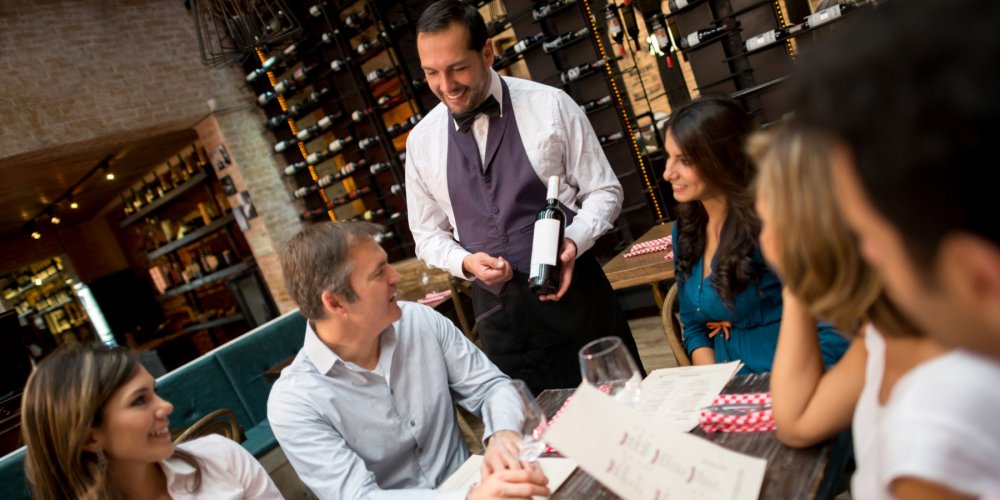
A good sommelier is never intrusive. They listen, ask questions, and suggest a wine that fits both the dish and the guest’s tastes. They know the wines on the wine list, including the most discreet bottles.
Using the sommelier’s advice saves time and helps you avoid a poor choice. They may even suggest a less expensive bottle that’s a better fit.
Don’t hesitate to explain your preferences: dry, fruity, tannic, light. The more the sommelier knows about the profile you’re looking for, the better they can guide you toward the right choice.
Choosing between wine by the glass or by the bottle
Many restaurants offer several wines by the glass. This lets you try different pairings during the same meal.
This option is ideal for solo dining or multiple tastings. On the other hand, for two people or more, a bottle is often more economical.
The key is to stay flexible. A wine by the glass can work beautifully with a starter, while a bottle may be better suited to the main course.
Adapting to the style of the restaurant
The style of the restaurant influences the wine list. In a brasserie, you’ll often find simple but well-chosen wines. In a fine-dining restaurant, the selection becomes more complex and more precise.
In a wine bar, the focus is often on independent winegrowers, natural wines, or lesser-known appellations.
Knowing the type of venue helps you anticipate the tone of the list and the prices charged.
Spotting the best value for money
A few clues can help you identify a good bottle without breaking the bank. A less prestigious appellation from a strong vintage can be a pleasant surprise. Many winegrowers also produce second wines or limited cuvées at attractive prices.
The wine list may also include monthly selections. These choices have often been tasted and approved by the sommelier.
It’s usually better to choose a well-matched bottle than a famous name that doesn’t suit the meal.
Classic pairings for the undecided
When the choice feels difficult, a few universal pairings can help:
- Fish: dry white (Chablis, Sancerre, Muscadet)
- Poultry: rounded white or light red (Bourgogne, Pinot noir)
- Red meat: tannic red (Bordeaux, Cahors, Rhône)
- Cheese: fruity red or structured white
- Desserts: sweet fortified wine or sparkling wine
These combinations are reliable if you want to choose a restaurant wine without making a misstep.
Signs of good wine service
Attentive service enhances the experience. The staff should present the bottle, show you the label, then let you taste before serving.
The glass shouldn’t be filled to the brim. The wine should be served at the right temperature. If the red is too warm, it loses freshness. If the white is too cold, it loses its aromas.
Don’t hesitate to point out a fault. A corked wine should be replaced without argument.
Enjoying yourself is what matters most
Even with a well-built wine list and the help of a sommelier, the most important thing is to enjoy yourself. There’s no absolute rule. The restaurant wine experience should remain a pleasant moment.
Taking the time to read, ask for advice, and stay curious lets you make the most of the meal. You never need to be an expert to appreciate a good wine in a refined setting.
If you enjoyed this article, feel free to read the next one, "Chilean wines: from the Andes to the Pacific coast", which might also interest you!
Good to know:
The best way to get better at tasting is to write down what you taste: colour, nose, palate, and above all what you thought of it. Over time, your notes reveal your preferences far better than any guide. In Oeni, every bottle in your cellar has its own tasting sheet, ready to fill in within seconds.