Summarize this article with
Understanding maceration in winemaking is essential for any enthusiast who wants to deepen their knowledge of winemaking techniques. These methods shape a wine’s flavor, color, and texture. Here, we take a closer look at the three key maceration methods used in red winemaking.
What Is Maceration in Winemaking?
Maceration refers to the extended contact between grape juice and the skins, seeds, and sometimes stems. This process extracts aromas, color, and tannins. It plays a fundamental role in red winemaking, unlike white wine production, where the must is separated more quickly.
Carbonic Maceration: A Natural, Fruit-Forward Method
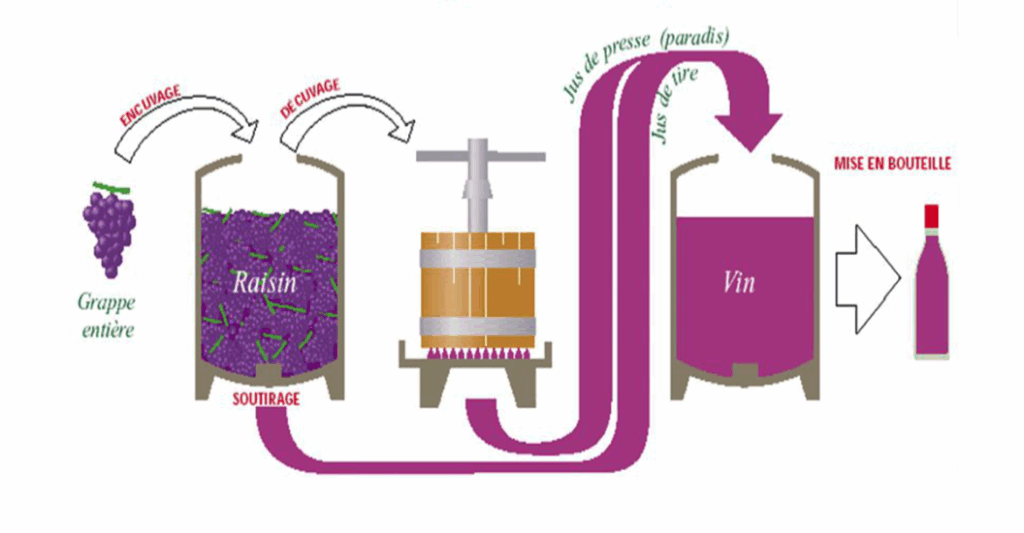
Carbonic maceration involves placing whole, uncrushed clusters in a tank saturated with carbon dioxide. The absence of oxygen triggers intracellular fermentation. This method preserves the fruit, keeps tannins low, and produces supple, easy-drinking wines. You’ll find it especially in Beaujolais, particularly for nouveau wine.
This winemaking technique brings out aromas of red fruit, candy, and banana. It’s a fast process, ideal for creating wines meant to be enjoyed young.
Skin Maceration: To Unlock White Wine Aromas
Skin maceration is used mainly for white wines and sometimes rosés. It takes place before alcoholic fermentation. The grapes are crushed and left in contact with their skins for a few hours at low temperature.
This technique allows for better extraction of aromatic compounds. It also adds complexity and richness on the palate, especially for aromatic grape varieties like Sauvignon Blanc or Muscat.
Wines made with this maceration show more intensity, volume, and finesse. It’s a key step in light red winemaking or in the production of characterful whites.
Cold Pre-Fermentation Maceration: For a Wine Full of Freshness
Pre-fermentation maceration takes place before alcoholic fermentation. The must is chilled to around 5-10°C, then left in tank for several days. This method limits spontaneous fermentation.
It extracts more aromas without developing tannins. The resulting red wines show brighter fruit expression, intense color, and a soft structure. You’ll often find it in regions known for elegant, modern reds.
This winemaking technique reflects a precision-driven approach, well suited to lovers of fruity, easy-to-drink, approachable red wines.
Comparing Maceration Methods: Three Results, Three Wine Profiles
These three forms of maceration have a major impact on the final result. Carbonic maceration produces lighter reds, skin maceration enriches whites, and pre-fermentation maceration brings finesse to the fore. Each offers ways to adapt red winemaking to the winemaker’s or consumer’s preferences.
The choice depends on several factors:
- The grape variety used
- The wine’s aromatic goal
- The style of wine you’re looking for (cellaring or immediate enjoyment)
A wine can also combine several winemaking techniques depending on the stages of production.
The Role of Time and Temperature in Maceration
Every maceration process depends on a delicate balance between time and temperature. Maceration that’s too long or too warm encourages the extraction of harsh tannins. By contrast, too little time can leave a wine lacking definition.
Winemakers carefully control these parameters. In red winemaking, they often aim to combine color, structure, and roundness. In white wines, freshness and aroma take priority.
Maceration and Red Winemaking: A Millennia-Old Alchemy
In red winemaking, maceration is a foundational step. This is where ruby color, structure, and power take shape. Great red wines owe their complexity to precise management of this phase.
Some producers deliberately extend maceration after fermentation to gain more depth. Others limit contact to create reds that are easy to drink. The richness of red winemaking lies in this freedom of approach.
Distinctive Wines Thanks to Winemaking Techniques
Winemaking techniques have a major influence on a domaine’s style. A winemaker using carbonic maceration will produce a wine bursting with fruit. Another relying on pre-fermentation maceration will aim for aromatic finesse.
The diversity of methods makes it possible to suit every taste. This freedom to experiment also reflects the richness of France’s winemaking heritage.
New Experiments Around Maceration
Today, some winemakers are pushing maceration even further. They’re testing innovative vessels, such as concrete eggs and amphorae, or unusual time frames.
In so-called natural wines, carbonic maceration is often used without added sulfur. In white winemaking, skin maceration is intensified to give rise to the much-trendy orange wines.
These practices show how adaptable winemaking techniques can be in response to new expectations. They preserve the link to terroir while modernizing wine styles.
Toward a Better Understanding of Wine Styles Through Maceration
For enthusiasts, understanding maceration helps you read labels and choose your bottles more wisely. A red wine with long maceration will pair well with bold dishes. A white wine with skin maceration will shine alongside spicy cuisine or aged cheese.
Red winemaking depends on these subtle balances. Recognizing the methods also helps you appreciate the winemaker’s intent.
If you enjoyed this article, don’t hesitate to read the next one, "Wines Aged Underwater: A New Method That’s Intriguing Experts", which might also interest you!
Good to know:
The best way to get better at tasting is to write down what you taste: colour, nose, palate, and above all what you thought of it. Over time, your notes reveal your preferences far better than any guide. In Oeni, every bottle in your cellar has its own tasting sheet, ready to fill in within seconds.