Summarize this article with
More and more wine lovers are choosing to buy direct from the producer. They skip the middlemen and go straight to the estate. This way of buying appeals for its simplicity, its conviviality, and its promise of authenticity. But it also comes with a few pitfalls. Before you fill your trunk or place an online order, it’s worth knowing the best practices.
If articles about the wine world interest you, download our app on iOS or Android. It gives you access to our wine glossary, our articles, and our innovative solution, designed for all wine consumers and collectors.
The pleasure of meeting the producers
One of the biggest advantages of buying wine direct is the human connection. When you visit the domaine, you talk with the people who make the wine. You discover their philosophy, their way of working, and their terroir. That relationship deepens the pleasure of tasting. It gives meaning to your purchase. The wine no longer comes from a shelf. It comes from a specific place, a face, a story.
Winegrowers love sharing their passion. They take the time to explain their methods, their farming choices, and their winemaking decisions. You learn, and you understand better what you’re drinking. Buying direct enriches your wine culture.
Often fairer prices
Buying through estate sales helps reduce distributor markups. The producer sets the price without the added cost of intermediaries. The result: bottles that are often more attractively priced. You pay for a product that’s much closer to its real value.
But be careful: that doesn’t mean every wine will be cheap. Some domaines price their wines at the same level as wine merchants. Sometimes that’s a deliberate choice. Others reserve their best cuvées for specific channels. So it’s worth comparing and doing your homework before you buy.
A broader, more personalized selection

On site, the selection often goes beyond what you’ll find in supermarkets or specialist shops. You get access to the full range, including rare or hard-to-find cuvées. You may also discover older vintages or limited trials. Buying direct lets you taste wines you won’t find anywhere else.
What’s more, the advice is personalized. The winegrower knows their wines better than anyone. They tailor their suggestions to your tastes. Buying direct avoids overly sales-driven recommendations. You leave with bottles that truly suit you.
Better traceability
When you buy directly from the domaine, you know the exact origin of each bottle. You know where the grapes come from, how the wine was made, and the conditions in which it aged. That transparency is reassuring. It limits unpleasant surprises.
Some domaines work organically or biodynamically. On site, you can see the sincerity of those commitments for yourself. You see the parcels, the facilities, the gestures. Buying direct becomes an extra guarantee.
A chance to discover the regions
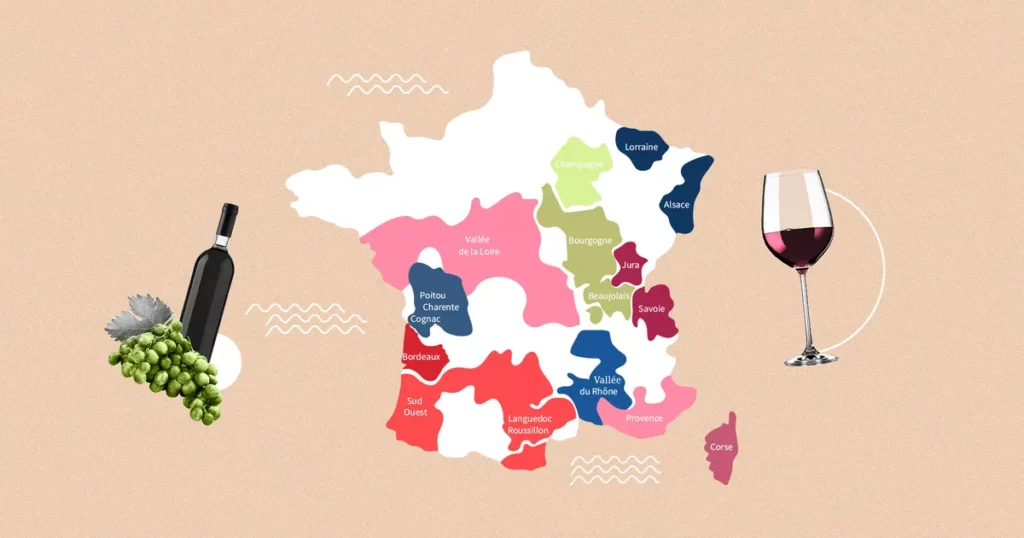
Many people make the most of their holidays to visit vineyards. Buying direct becomes part of the trip. You travel the wine routes, discover landscapes, and visit cellars. Those moments strengthen your connection to the product.
On-site tastings help you remember flavors more vividly. You’ll remember a wine tasted facing the vines or inside a stone cellar. The sensory experience is paired with a lasting memory.
Pitfalls to avoid
Despite its advantages, estate sales call for a few precautions. First, don’t get carried away by the excitement. Some visitors buy far too much after a good tasting. The convivial atmosphere can cloud your judgment. Taste, but stay clear-headed.
Next, be wary of wines sold outside the domaine but under that label. Some producers entrust sales to third parties who present themselves as “direct.” Always check that the wine really comes from the producer themselves.
Finally, pay attention to storage conditions during transport. If you buy on site in the middle of summer, protect your bottles from the heat. Buying direct requires a little more logistical care.
The limits of direct online sales
Many domaines now offer an online shop. This digital estate sales model makes buying easier without traveling. But it also comes with risks. Check shipping costs, return conditions, and delivery times.
Some platforms bring together several producers. They create the impression of direct contact, without that always being the case. Before you order, find out who the real intermediary is. Buying direct loses its meaning if a third party handles the sale or the stock.
Sometimes limited volumes
Small domaines don’t always have large quantities to sell. Some wines go quickly, especially after harvest. Buying direct sometimes requires planning ahead. You need to reserve, subscribe to a newsletter, or show up at the right time.
Some producers also limit quantities per customer. That helps prevent resale, but it can frustrate bigger buyers. In that case, you need to stay flexible and favor variety.
How do you buy well at the domaine?
Prepare your visit in advance. Check opening hours and availability, and if possible, make an appointment. Find out which cuvées are on offer. Taste carefully. Ask questions about the vintage, aging potential, and food and wine pairings. Write down your impressions.
Don’t feel obliged to buy if nothing appeals to you. Winegrowers appreciate genuine interest, even without an immediate sale. If you do buy, choose the bottles you loved, and think about how you’ll store them.
Finally, don’t hesitate to come back. Buying direct also works through loyalty. You build a lasting relationship with the domaine.
If you enjoyed this article, don’t hesitate to read the next one, "Carbonic, skin-contact, pre-fermentation maceration: everything you need to know", which might also interest you!
Good to know:
The best way to get better at tasting is to write down what you taste: colour, nose, palate, and above all what you thought of it. Over time, your notes reveal your preferences far better than any guide. In Oeni, every bottle in your cellar has its own tasting sheet, ready to fill in within seconds.