Summarize this article with
Burgundy embodies the elegance of French wine. Its varied terroirs, meticulously mapped climats, and strict hierarchy make it a truly unique region. To really understand a Bourgogne wine, you need to know its appellations and what sets them apart.
The origins of Bourgogne wine: between history and character
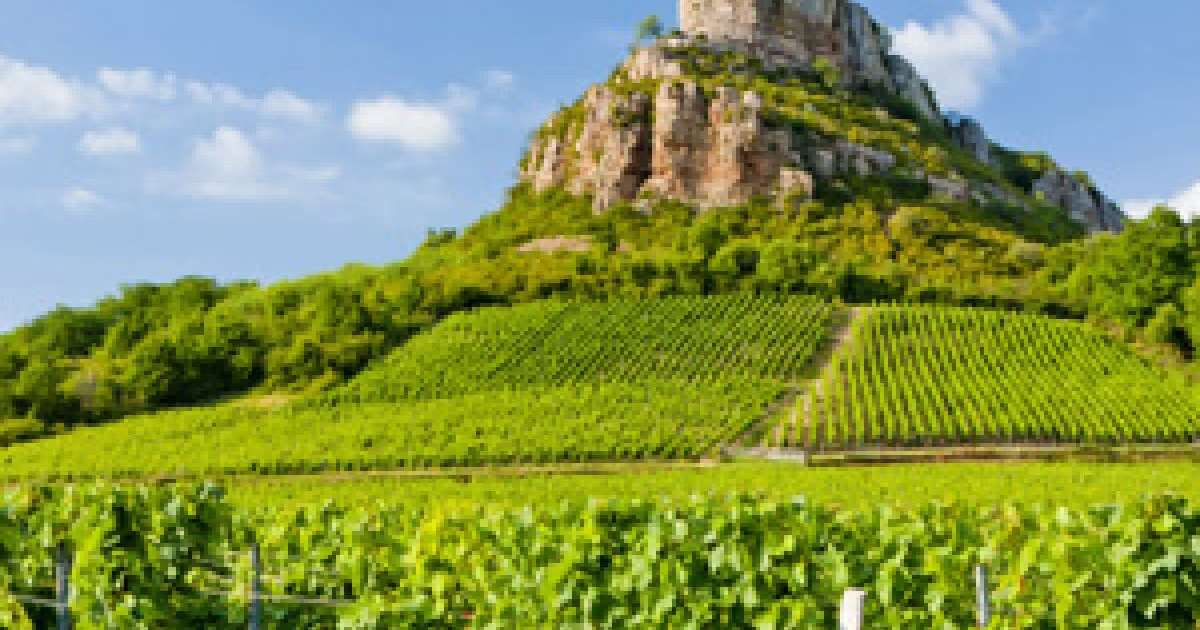
Burgundy’s winegrowing landscape stretches from north to south for nearly 250 kilometers. This long, narrow territory is home to remarkably diverse winegrowing climats. Each climat gives birth to a different wine, even just a few meters away. Here, climat doesn’t refer to the weather, but to a precisely defined parcel of land.
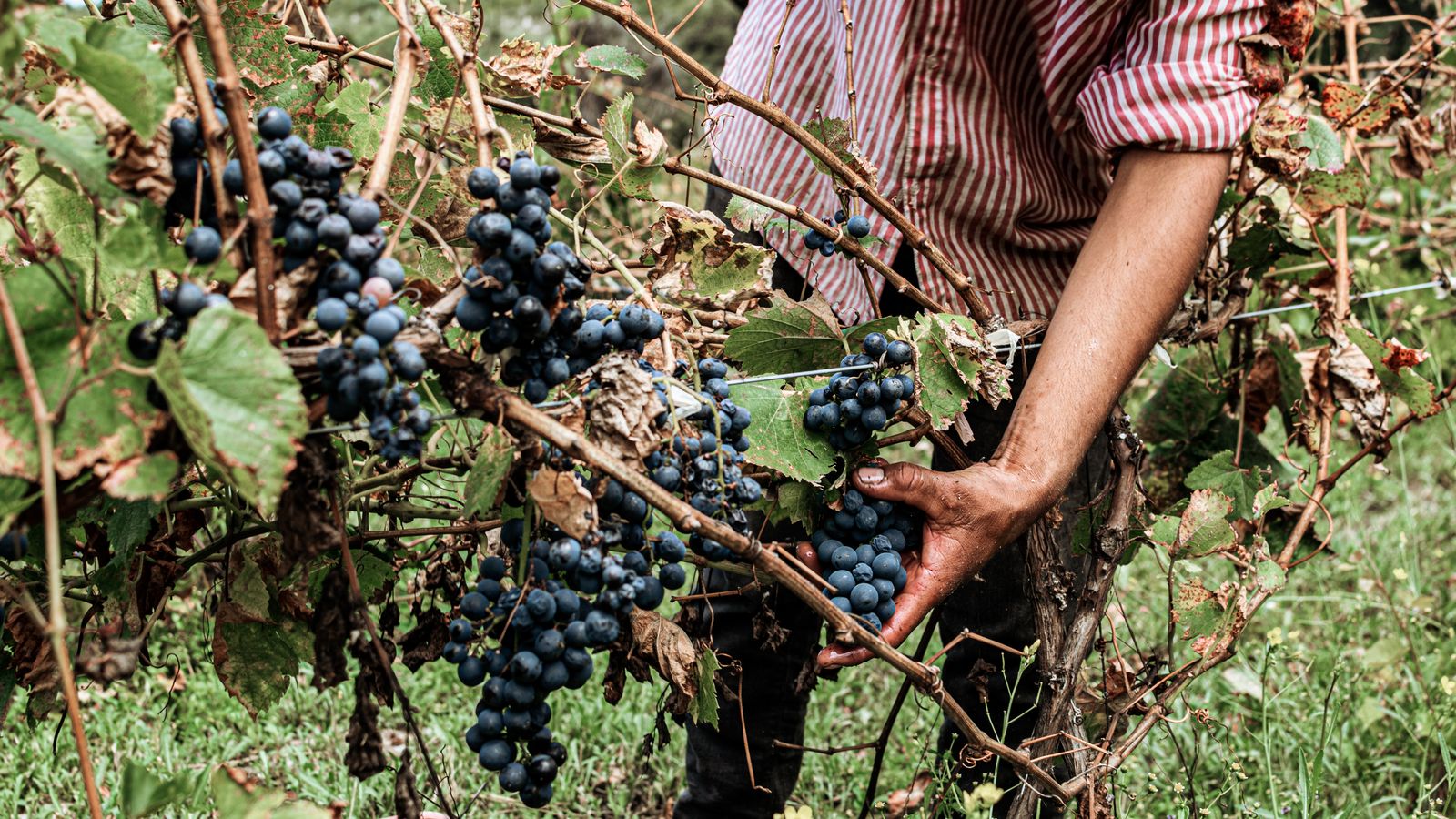
The Bourgogne wine is prized for its purity. The reds come mainly from Pinot Noir, the whites from Chardonnay. Growers cultivate these grape varieties in keeping with local traditions. Differences in soil, exposure, and microclimate directly shape the final taste.
The hierarchy of Bourgogne appellations in four levels
The classification of Bourgogne appellations follows a four-tier hierarchy. This structure makes it easy to identify a wine’s quality and origin at a glance.
Regional appellations
These are the most accessible. They cover the entire Burgundy vineyard. Labels often simply say “Bourgogne,” or add a grape variety, such as “Bourgogne Pinot Noir.” These wines offer an introduction to the local style.
Village appellations
These wines come from specific villages such as Pommard, Meursault, or Chablis. They reflect the winegrowing climats of their terroir more clearly. The village name appears prominently on the label. The quality steps up a notch.
Premier Crus
Each village has parcels classified as Premier Cru. The name of the climat appears on the label, as in “Meursault Premier Cru Les Charmes.” These wines show remarkable complexity. They also have strong aging potential.
Grand Crus
This is the top of the hierarchy. Burgundy has 33 Grand Crus, all located between Dijon and Chassagne-Montrachet. They carry only the name of the climat: Romanée-Conti, Montrachet, or Clos de Vougeot. These rare wines offer impressive aromatic concentration.
The essential role of winegrowing climats
Burgundy’s classification of winegrowing climats is the result of centuries of observation. Since 2015, UNESCO has listed these climats as a World Heritage site. Each parcel reflects a unique balance of soil, exposure, and altitude.
In Gevrey-Chambertin, one climat produces a powerful wine, another a more floral one. In Meursault, one parcel yields a buttery white, another a more mineral style. This diversity creates a mosaic of flavor profiles.
The Bourgogne wine thus takes on an intellectual dimension. Tasting these wines means traveling through millimeter-precise parcels, sensing the grower’s hand, and tasting the history of the place.
A few iconic examples of Bourgogne appellations
Chablis
Located in the north of the region, Chablis produces dry, taut whites. The single grape variety, Chardonnay, shines on soils rich in marine fossils. This wine pairs beautifully with seafood.
Pommard
This village in the Côte de Beaune is famous for its robust reds. Pommard wines offer aromas of dark fruit, spice, and forest floor. Some Premier Crus can age for more than 15 years.
Puligny-Montrachet
Here, Chardonnay reaches extraordinary heights. These Bourgogne appellations produce refined, precise whites with outstanding aging potential. Grand Crus such as Le Montrachet rank among the most prestigious white wines in the world.
Vosne-Romanée
Sought after for its exceptional winegrowing climats, this village produces velvety, complex reds. It is home to the legendary Romanée-Conti, Richebourg, and La Tâche.
Why this hierarchy shapes prices
The rarity of Grand Crus, the small size of the parcels, and the care given to each bottle explain the high prices. The same grower may produce a regional Bourgogne wine and a Grand Cru, but terroir makes all the difference.
The best-situated climats, often on well-exposed slopes, yield concentrated grapes. Winemaking remains traditional. Few commercial yeasts, no aggressive techniques. The wine speaks for itself.
Learning to read a Burgundy label
A Bourgogne wine label always indicates the appellation. You need to check whether the wine is regional, village-level, Premier Cru, or Grand Cru. The grower’s name appears at the bottom, along with the vintage.
On a bottle from a winegrowing climat classified as Premier Cru, you might read: “Beaune Premier Cru Les Teurons – Domaine X – 2021.” This wine comes from a single classified parcel.
Burgundy: a lesson in humility for wine lovers
Behind every Bourgogne appellation lies a story, craftsmanship, and centuries of terroir. No other vineyard pushes the notion of parcel quite so far. This rigorous classification system now helps everyone find their way, whether you’re just starting out or already deeply passionate.
If you enjoyed this article, don’t hesitate to read the next one, "The growing interest of the Chinese in French wine: a booming market", which might also interest you!
Good to know:
The best way to get better at tasting is to write down what you taste: colour, nose, palate, and above all what you thought of it. Over time, your notes reveal your preferences far better than any guide. In Oeni, every bottle in your cellar has its own tasting sheet, ready to fill in within seconds.