Summarize this article with
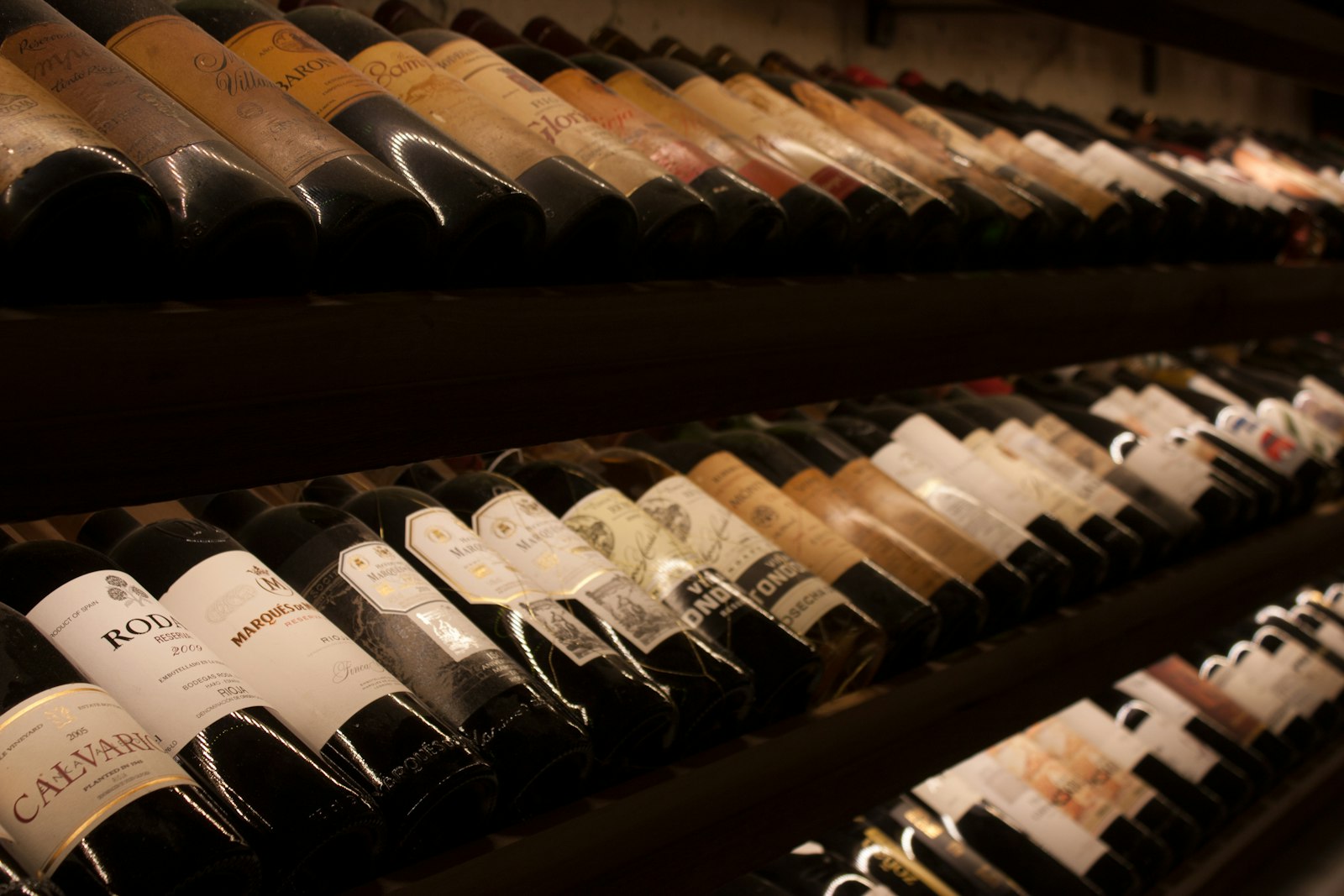
The wines of Bordeaux are among the most prestigious in the world. With a rich history, diverse terroirs, and renowned appellations, they appeal to both enthusiasts and collectors. Thanks to the grands crus classés, Bordeaux stands as a benchmark for red, white, and sweet wines.
Bordeaux terroir: a land of exception
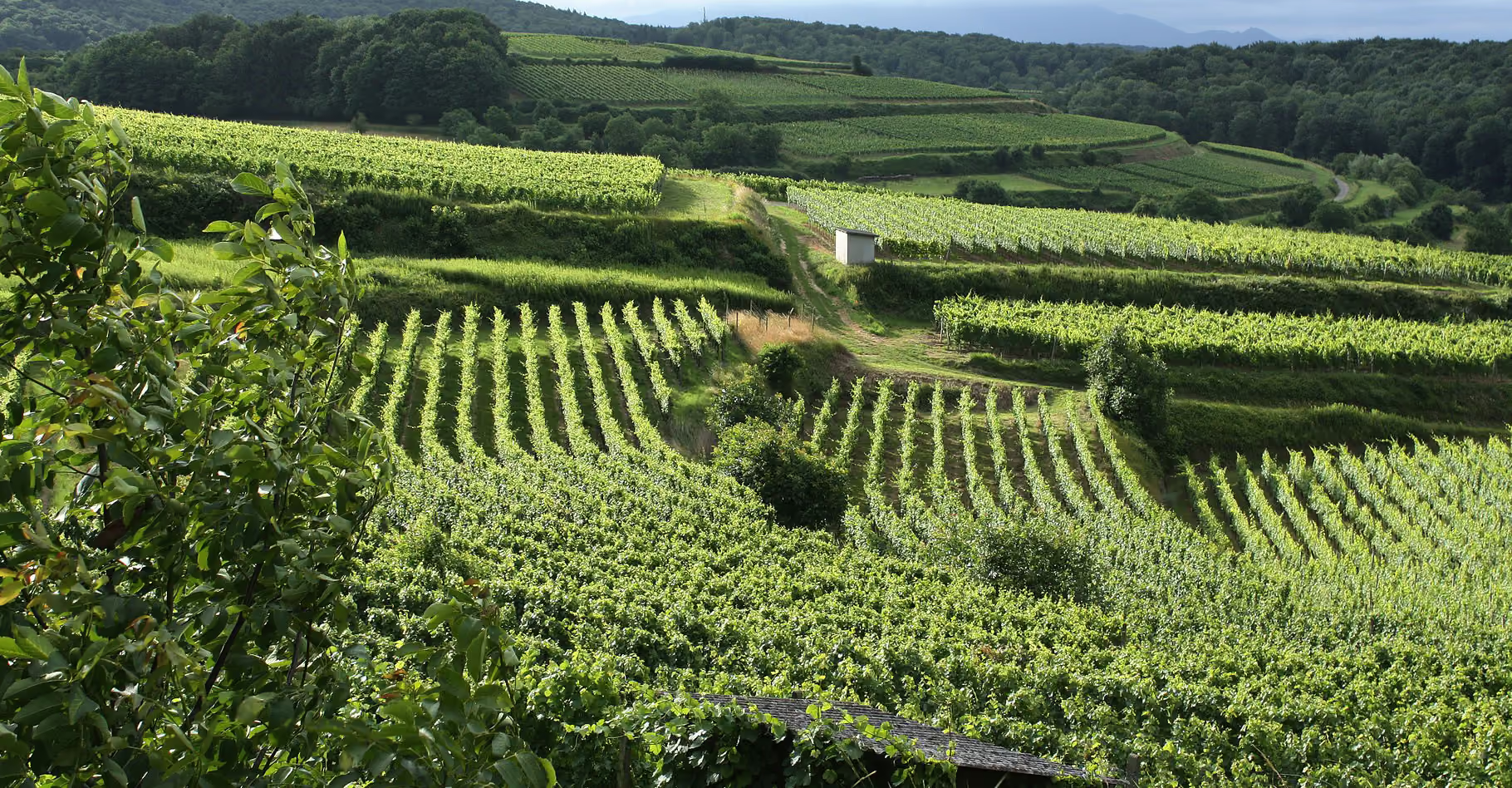
The Bordeaux terroir is unique thanks to the diversity of its soils and its temperate oceanic climate. The presence of the Garonne and the Dordogne creates ideal microclimates for viticulture.
The soils are mainly made up of:
- Graves: Rich in pebbles and stones, they promote excellent drainage. You’ll find them especially in Médoc and Graves.
- Clay-limestone soils: These soils retain moisture well and allow the grapes to ripen slowly, producing powerful wines. They’re found in Saint-Émilion and Fronsac.
- Sands and silts: Less renowned, they produce more approachable wines, especially in Entre-deux-Mers.
Bordeaux’s climate, marked by mild summers and temperate winters, allows the grape varieties to ripen optimally.
The main grape varieties of Bordeaux wines

The wines of Bordeaux owe their complexity to carefully selected blends of grape varieties.
Red grape varieties
- Cabernet Sauvignon: Brings structure, tannins, and aging potential. Found in Médoc and Graves.
- Merlot: Offers roundness and fruitiness, and dominates in Saint-Émilion and Pomerol.
- Cabernet Franc: Adds finesse and spicy notes, and is used in Libournais.
- Petit Verdot and Malbec: Used as blending grapes to enhance color and aromatic intensity.
White grape varieties
- Sémillon: Gives richness and complexity to the sweet wines of Sauternes.
- Sauvignon Blanc: Brings freshness and vibrancy to dry whites.
- Muscadelle: Adds floral aromas and a touch of sweetness.
The different appellations of Bordeaux wines
Bordeaux is divided into several wine-growing subregions, each producing wines with a distinct style.
Médoc: the kingdom of grands crus classés
Médoc is home to some of Bordeaux’s most prestigious appellations. It’s known for powerful, tannic wines dominated by Cabernet Sauvignon.
The major appellations include:
- Pauillac: Known for its grands crus classés such as Château Lafite-Rothschild, Château Latour, and Château Mouton-Rothschild.
- Saint-Julien: Renowned for balanced, refined wines, with estates such as Château Léoville Las Cases.
- Margaux: Delivers elegant, finely wrought wines, led by Château Margaux.
Right Bank: Saint-Émilion and Pomerol
Right Bank wines are softer and fruitier thanks to the dominance of Merlot.
- Saint-Émilion: Produces powerful, velvety wines, with famous estates such as Château Cheval Blanc and Château Ausone.
- Pomerol: Home to rich, silky wines, including the prestigious Château Pétrus.
Graves and Pessac-Léognan: elegance and diversity
- Graves: One of the few Bordeaux regions producing both reds and dry whites.
- Pessac-Léognan: Brings together balanced red wines and exceptional dry whites, such as Château Haut-Brion.
Sauternes and Barsac: legendary sweet wines
These appellations are world-famous for their sweet white wines made from Sémillon, affected by noble rot. Château d’Yquem is the perfect example.
Bordeaux grands crus classés: a global benchmark
The 1855 classification of grands crus classés was established under Napoleon III for the Paris Universal Exhibition. This ranking is based on the wines’ reputation and prices.
The five first growths of Médoc
- Château Lafite-Rothschild (Pauillac)
- Château Latour (Pauillac)
- Château Margaux (Margaux)
- Château Haut-Brion (Pessac-Léognan)
- Château Mouton-Rothschild (Pauillac, added in 1973)
Other classifications exist too, such as Saint-Émilion’s, which is revised every ten years, and Graves’, established in 1953.
Why are Bordeaux wines so sought after?
The wines of Bordeaux owe their prestige to several factors:
- An exceptional terroir: The diversity of soils and climate creates ideal conditions for the vine.
- An ancestral know-how: Winemaking and aging techniques ensure wines of outstanding quality.
- Unique aging potential: Thanks to their tannic structure and balance, great Bordeaux improve with time.
- An international market: Bordeaux exports its wines around the world and enjoys unmatched prestige.
How do you choose a Bordeaux wine for the occasion?
- For immediate drinking: Choose a Bordeaux Supérieur or a Cru Bourgeois from Médoc, meant to be enjoyed young.
- For a wine to age: Go for a grand cru classé from Médoc or a Saint-Émilion Grand Cru.
- For a white wine: A white Pessac-Léognan is ideal with seafood.
- For a sweet wine: A Sauternes pairs beautifully with foie gras or dessert.
The wines of Bordeaux offer a diversity that suits every preference and every budget.
Mistakes to avoid when buying a Bordeaux wine
- Relying on price alone: An expensive wine isn’t necessarily better. Some Crus Bourgeois offer excellent value for money.
- Choosing a wine that’s too young: Great Bordeaux need time in the cellar to reveal their full potential.
- Overlooking food and wine pairing: A powerful Médoc wine won’t necessarily suit a light dish.
- Ignoring the vintage: Some years are exceptional, others more challenging. Always check the vintage before buying.
Conclusion: Bordeaux, an essential viticultural treasure
The wines of Bordeaux are synonymous with excellence and tradition. Thanks to the diversity of the Bordeaux terroir, they suit every taste, from powerful reds to delicate whites. The grands crus classés continue to inspire wine lovers and collectors around the world.
If you enjoyed this article, feel free to read the next one, "Food and wine pairings for a successful barbecue", which might interest you too!
Good to know:
The best way to get better at tasting is to write down what you taste: colour, nose, palate, and above all what you thought of it. Over time, your notes reveal your preferences far better than any guide. In Oeni, every bottle in your cellar has its own tasting sheet, ready to fill in within seconds.