Summarize this article with
Alcohol-free wines are experiencing a major surge in popularity. Whether for health, lifestyle, or simple curiosity, more and more consumers are taking an interest. But how are they made? And which are the best choices if you want to drink less wine while still enjoying the pleasure of tasting?
Why choose alcohol-free wine?
The alcohol-free wine market keeps growing. Several factors explain this enthusiasm:
- Health and well-being : Cutting back on alcohol helps reduce health risks.
- Road safety : These wines let you enjoy a refined drink without the restrictions that come with driving.
- Pregnancy and breastfeeding : They offer an alternative for pregnant women who want to enjoy the taste of wine.
- Food trends : More and more consumers are looking for lighter, lower-calorie drinks.
These alternatives let you drink less wine while still enjoying a pleasant tasting experience.
The production methods behind alcohol-free wines

Alcohol-free wine follows a specific production process designed to remove the alcohol without stripping away the aromas.
1. Traditional fermentation
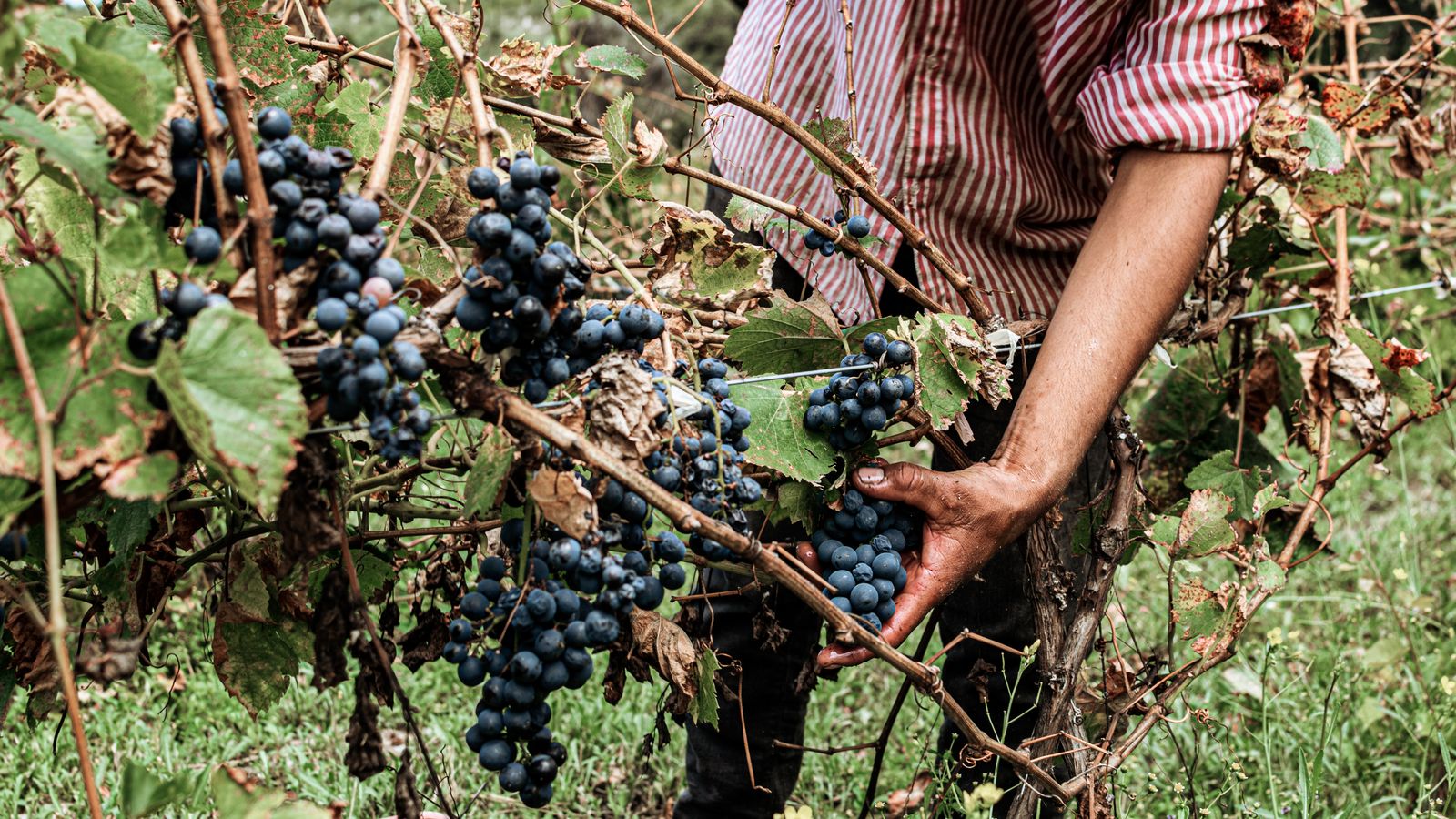
Like traditional wines, alcohol-free wines are made from fermented grapes. This step is essential for developing the wine’s aromas and structure.
2. Dealcoholization techniques
Several methods can remove alcohol while preserving the wine’s character:
- Vacuum evaporation : Heats the wine at a low temperature to remove the alcohol without altering the aromas.
- Reverse osmosis : Separates the alcohol from the rest of the liquid through fine filtration.
- Steam distillation : Extracts the alcohol while preserving the essential aromatic compounds.
These methods make it possible to produce wines that are soft and fruity while limiting the impact on their flavor complexity.
The different types of alcohol-free wine
1. Alcohol-free red wine
These wines retain notes of red fruit and spice, but their texture can be slightly different because of the absence of alcohol.
Common grape varieties:
- Merlot : Round and fruity, ideal with grilled meats.
- Cabernet Sauvignon : More structured, perfect with sauced dishes.
2. Alcohol-free white wine
Alcohol-free white wines preserve their freshness and their floral or fruity aromas.
Popular grape varieties:
- Chardonnay : Notes of apple and vanilla, perfect with fish and poultry.
- Sauvignon Blanc : Fresh and lively, ideal with seafood.
3. Alcohol-free rosé wine
These wines are appreciated for their lightness and their aromas of strawberry, peach, and citrus.
4. Alcohol-free sparkling wine
An ideal alternative to champagne or prosecco, these wines keep their fine bubbles and lively character.
Examples:
- Alcohol-free sparkling wine : Ideal for celebrations.
- Dealcoholized prosecco : Light and fruity, perfect as an aperitif.
Food and wine pairings with alcohol-free wine
Like classic wines, alcohol-free wines can pair with many dishes.
- Alcohol-free red wine & grilled meats : A great choice for a barbecue.
- Alcohol-free white wine & fish : Ideal with seafood and light dishes.
- Alcohol-free sweet wine & desserts : Perfect for a sweet touch without too much alcohol.
- Alcohol-free sparkling wine & appetizers : A lovely alternative for festive occasions.
The advantages and drawbacks of alcohol-free wines
Advantages
- Lets you drink less wine without losing the pleasure of tasting.
- Lower in calories, making it ideal for a balanced diet.
- Suitable for people who can't consume alcohol.
Drawbacks
- Some wines lack depth and body.
- Less flavor complexity than a traditional wine.
- Still limited availability in some regions.
Where can you buy alcohol-free wine?
Alcohol-free wines are becoming more widely available in stores:
- Supermarkets : Some major chains offer a dedicated section.
- Specialist wine shops : The best choice for higher-quality products.
- Online stores : A wide selection of dealcoholized red, white, sparkling, and rosé wines.
Conclusion
Alcohol-free wines offer an interesting alternative for those who want to drink less wine without giving up the tasting experience. Thanks to new production techniques, these wines retain aromas that are close to those of classic wines.
If you enjoyed this article, don't hesitate to read the next one, "Powerful red wines: perfect for pairing with winter dishes", which might interest you too!
Good to know:
The best way to get better at tasting is to write down what you taste: colour, nose, palate, and above all what you thought of it. Over time, your notes reveal your preferences far better than any guide. In Oeni, every bottle in your cellar has its own tasting sheet, ready to fill in within seconds.