Summarize this article with
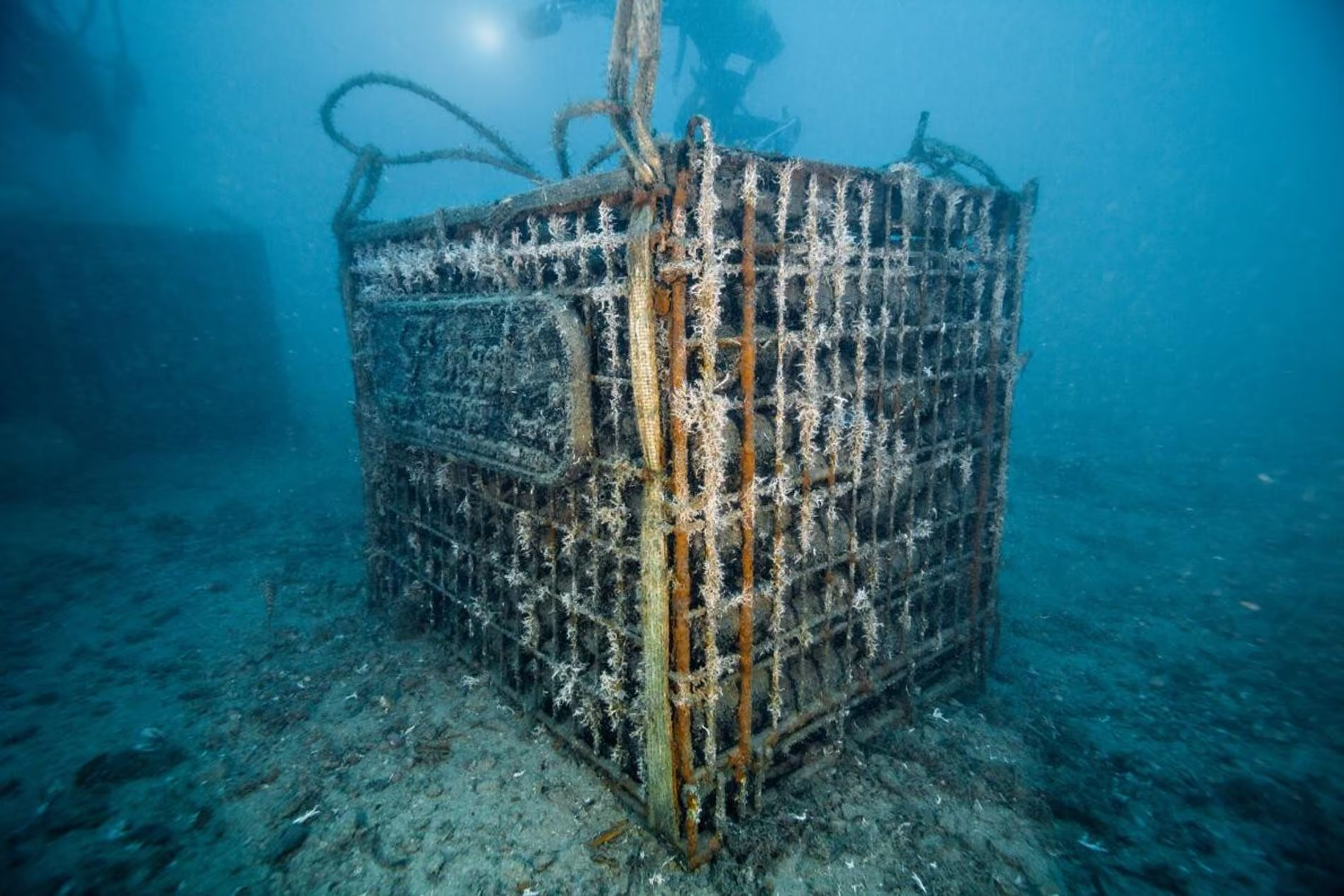
Wine aged under water fascinates amateurs and experts alike in the wine world. This method, which involves submerging bottles of wine in the sea or a lake, is drawing growing interest. But what effects does this kind of maturation have on wine? And why does this technique intrigue people so much?
A method inspired by archaeological discoveries
The idea of aging underwater wine didn’t come out of nowhere. Archaeologists have discovered bottles of wine in shipwrecks that were several centuries old. After analysis, experts found that these wines had retained astonishing characteristics. Those findings inspired some producers to test winemaking experimentation under water.
The first experiments date back to the 2010s. Winegrowers submerged bottles in deep water to observe the effects on wine maturation. The goal was to see whether the aquatic environment could offer an interesting alternative to traditional cellar aging.
Unique conditions under water

Wine aging in a cellar relies on precise conditions: stable temperature, darkness, and controlled humidity. Under water, those parameters shift slightly, but they bring unexpected advantages.
- Constant temperature: Water acts as a thermal insulator. Several meters below the surface, temperature changes very little, which helps the wine mature steadily.
- No light: Unlike traditional cellars, where a faint glow sometimes remains, the deep sea offers total darkness, preventing any UV-related damage.
- Underwater pressure: The pressure exerted by water seems to influence the wine by acting on the tannin structure. Some experts believe this unusual condition improves the balance of wines aged under water.
- Gentle movement: Ocean currents provide a natural stirring effect for the bottles, encouraging slow, even evolution.
Which wines are suited to underwater aging?
Not all wines react the same way when they’re plunged under water. Tannic red wines, sparkling wines, and some oak-aged white wines seem to be the best candidates for this method.
- Red wines rich in tannins, such as certain Bordeaux or Rioja wines, benefit from underwater aging by developing rounder, less aggressive aromas.
- Sparkling wines, especially Champagne and cava, benefit from slower evolution, which enhances their finesse.
- Ageworthy white wines, often aged in barrels, show subtle changes, with freshness well preserved and better integration of oak.
The effects on tasting
Wine lovers often notice marked differences between a wine aged in a cellar and an underwater wine.
- Silkier texture: Some experts note a reduction in astringency, especially in powerful red wines.
- More intense aromas: Wines aged under water develop more complex notes, with greater intensity in the fruit and spice.
- Preserved freshness: Thanks to underwater conditions, wines keep an appealing vibrancy, even after several years of aging.
Where can you find wines aged under water?
Several wine estates around the world have launched underwater winemaking experimentation. Among the pioneering regions, you’ll find:
- Spain: The Cantabria region has seen several projects involving bottles submerged in the Atlantic Ocean.
- France: In Brittany, some cellars are testing underwater wine aging in cold waters.
- Italy: In Sardinia, winegrowers are using the seabed to give their bottles a truly unique maturation.
- Chile and Argentina: With their long coastlines, these countries are also exploring this original winemaking method.
The challenges of underwater aging
Despite its promise, this technique raises several questions and challenges:
- High cost: Submerging bottles requires specialized logistics and suitable infrastructure.
- Strict regulations: In some places, laws govern the practice to prevent marine pollution.
- No official certification: There’s still no appellation or precise standard for underwater wines, which makes them harder to market.
Researchers continue to study this method to better understand its effects and optimize its use. In the meantime, curious wine lovers can already discover certain bottles made using this innovative technique.
Conclusion: a promising method
Underwater wine aging is a fascinating technique that opens up interesting possibilities for both wine lovers and producers. While challenges remain, the results achieved so far are promising and are generating growing interest in the wine world.
If you enjoyed this article, don't hesitate to read the next one, "How do you pair wine and truffle for a perfect match?", which might interest you too!
Good to know:
The best way to get better at tasting is to write down what you taste: colour, nose, palate, and above all what you thought of it. Over time, your notes reveal your preferences far better than any guide. In Oeni, every bottle in your cellar has its own tasting sheet, ready to fill in within seconds.