Summarize this article with
Aging profoundly shapes a wine’s aromatic profile and texture. Depending on the vessel, the effects vary. Aging wine in oak barrels or stainless steel tanks changes the structure, the wine’s aromas, and the mouthfeel. Understanding the differences is essential if you want to appreciate each bottle more fully.
Aging wine: a key step after fermentation
Once fermentation is complete, the wine enters its aging phase. This period can last from a few months to several years. The goal is to refine the wine, stabilize its components, and develop more complex aromas. The choice of vessel plays a vital role in that transformation. Between oak barrel and stainless steel tank, the result will be radically different.
Oak barrels: tradition, complexity, and roundness
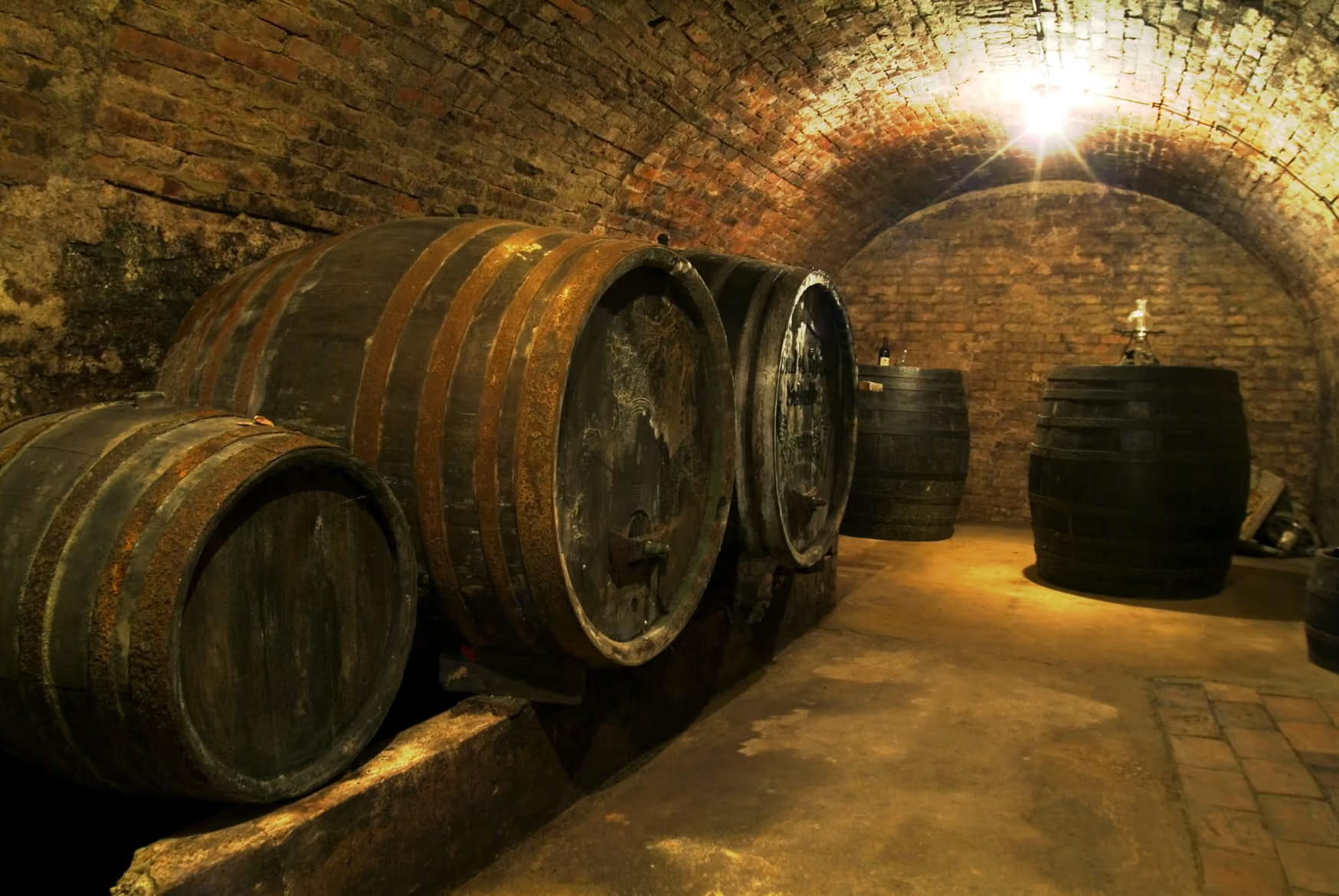
Aging wine in oak barrels remains the oldest and most noble method. The wood interacts with the wine. It adds extra tannins, softens the acidity, and rounds out the palate. Oak also releases distinctive aromas. You’ll find notes of vanilla, toast, coconut, and even grilled bread. The wine’s aroma becomes richer and deeper.
Micro-oxygenation also plays a role. Through the pores of the wood, a small amount of air enters. This allows for slow, controlled evolution that benefits structure. Powerful reds such as Bordeaux, Barolo, and Ribera del Duero often use this method.
Stainless steel tanks: neutrality, freshness, and pure aromas
Unlike wood, stainless steel doesn’t interact with the wine. It preserves the purity of the grape’s aromas. This method is often favored for crisp whites, rosés, and some fruit-forward reds. Aging in stainless steel helps preserve primary aromas: citrus, red fruit, and white flowers.
The absence of oxygen slows evolution. The wine keeps its direct expression and natural vibrancy. For aromatic grape varieties like Sauvignon Blanc or Muscat, this method is ideal. It respects the grape’s identity.
The science behind it: what really happens in the barrel
Barrel aging isn’t just tradition. It’s a precise chemical process, with three distinct mechanisms that transform the wine.
1. Micro-oxygenation
Oak is naturally porous. It lets very small amounts of oxygen pass through its walls. This controlled oxygen input softens tannins, stabilizes color, and creates new aromatic compounds.
A new barrel lets through more oxygen than an older one. That’s why a first-use barrel shapes a wine more strongly than a third-fill barrel.
2. Extraction of wood compounds
Oak releases specific aromatic molecules into the wine:
- Vanillin: responsible for vanilla notes
- Guaiacol and eugenol: behind spicy and smoky aromas
- Lactones: bring coconut notes, typical of American oak
- Ellagitannins: wood tannins that reinforce structure
The toast level during barrel production (between 150°C and 220°C) amplifies these aromas. The heavier the toast, the more pronounced the grilled and toasty notes.
3. Aging on lees
In barrel, the wine can rest on its lees (dead yeast cells after fermentation). This contact enriches the wine with polysaccharides, which add richness and roundness on the palate. Regular bâtonnage intensifies that effect.
And in stainless steel?
Stainless steel is completely airtight and neutral. It transmits no aromas and lets no oxygen through. The wine keeps its pure expression and its primary aromas intact. It’s a fully controlled environment: temperature, hygiene, and stability.
Barrel or tank aging: which aromas should you favor?
The choice between oak barrel and tank depends on the style you’re after. For a round, generous wine with oaky and spicy aromas, wood is the right fit. For a straight, lively, fruit-driven wine, stainless steel remains the best choice.
Some producers use both. They age part of the wine in wood and part in tank. That lets them combine structure and freshness. This kind of blend produces balanced, approachable, and complex wines.
The different types of oak barrels: French, American, or Hungarian?
Not all barrels have the same effect. French oak is fine and subtle, with elegant aromas. It suits delicate wines. American oak is more assertive. It brings vanilla and coconut notes that can sometimes feel overpowering. Hungarian oak, which is less common, offers an interesting middle ground: expressive, but refined.
Barrel size matters too. 225-liter barrels encourage more exchange with air and wood. Larger 600-liter barrels limit that effect. The choice depends on the wine and the winemaker’s intent.
Oak barrel vs stainless steel tank vs concrete: a complete comparison
Aging duration and aromatic intensity
Long aging intensifies the impact of the vessel. The longer the wine stays in oak, the more its aromas evolve. Tannins become finer, and the texture turns silkier. Tertiary aromas emerge: leather, tobacco, and forest floor.
By contrast, shorter aging, especially in stainless steel, preserves freshness and tension. Each winemaker adjusts the duration according to the grape variety, the vintage, and the desired result.
Aging in amphora or concrete: fast-rising alternatives
Other vessels are making a comeback in cellars. Amphora, used in antiquity, is back in a big way. It allows for gentle micro-oxygenation without adding aroma. The wine keeps its purity while gaining roundness. Concrete, meanwhile, naturally regulates temperature. It combines inertia and breathability. These methods offer interesting alternatives to oak barrel or stainless steel tank.
Wine aromas by aging method
Aging in oak barrels brings notes of:
- Vanilla
- Sweet spice
- Toasted wood
- Coconut
- Leather and tobacco (with age)
Aging in stainless steel preserves aromas of:
- Fresh fruit
- Flowers
- Citrus
- Fresh herbs
These aromas influence food and wine pairing, how the wine is perceived, and its aging potential.
The impact on the wine’s structure
The vessel also changes texture. Wood softens tannins and adds richness and volume. It increases complexity. Stainless steel preserves vibrancy, tension, and lightness. One offers comfort, the other clarity.
Powerful red wine handles oak barrels well. Dry, mineral white wine often prefers stainless steel. Each grape variety responds differently depending on the vessel.
Aging and regional typicity
Some regions impose their own style. In Burgundy, aging wine in barrels is a tradition. It’s part of the terroir’s identity. In the Loire, dry whites often favor stainless steel to keep their freshness. In Spain, Gran Reserva red wine often spends several years in barrel.
Typicity depends on the climate and the grape variety, but also on the chosen aging method. Oak barrels shape the wine’s soul. Stainless steel reveals its essence.
Aging wine and today’s trends
Today, some consumers are looking for fresher, more digestible wines. Winemakers are adapting their aging choices. They reduce the impact of wood, use older barrels, or choose stainless steel.
Others lean into originality: concrete eggs, amphorae, aging on lees. The choice of vessel becomes a signature, a way to stand out. It reflects a vision of wine.
Choosing your wine based on aging
Aging is rarely detailed on the label. And yet, it changes everything. You can look for certain mentions: “aged in barrel,” “on fine lees,” “unoaked.” Asking for advice is still a smart move. Once you identify the style, choosing becomes much easier.
In summary: barrel or tank, what you need to remember
Key takeaways:
Oak barrel = complexity, roundness, tertiary aromas (vanilla, spice, leather). Ideal for wines meant for aging.
Stainless steel tank = purity, freshness, primary aromas (fruit, flowers). Ideal for wines to drink young.
Mixed = the best of both worlds. Many domaines combine the two to create balanced wines.
If you enjoyed this article, feel free to read the next one, "What wine with aged meat? The best pairings to elevate exceptional beef", which may also interest you!
Good to know:
The best way to get better at tasting is to write down what you taste: colour, nose, palate, and above all what you thought of it. Over time, your notes reveal your preferences far better than any guide. In Oeni, every bottle in your cellar has its own tasting sheet, ready to fill in within seconds.