Summarize this article with
Amphora wines symbolize a return to an ancestral winemaking method that’s winning over more and more fans of natural wine. These practices, which prioritize authenticity and respect for terroir, are enjoying renewed interest thanks to their ability to elevate aromas and offer a sustainable alternative.
The History of Amphora Wines: An Ancestral Craft
1. Origins in Georgia
Amphora wines trace their roots to Georgia, the cradle of viticulture more than 8,000 years ago. Winegrowers used qvevris, large buried clay vessels, to ferment and age the wine.
2. Spread Across the Mediterranean Basin
The Greeks and Romans adopted this method, transporting wine in amphorae for trade across Europe.
3. Modern Revival
After falling out of favor, this method is back in the spotlight thanks to winegrowers seeking a more natural, artisanal approach.
The Unique Characteristics of Amphora Wines

1. A Pure Expression of Terroir
Amphora winemaking techniques allow for gentle micro-oxygenation without adding any outside flavors. That reveals the grape’s true character and the terroir behind it.
2. A Lack of Artificial Intervention
Amphora wines are often produced without added commercial yeasts, sulfur, or chemicals.
3. Distinct Aromas
These wines develop mineral notes, complex dried-fruit aromas, and sometimes a slight astringency.
4. A Distinctive Texture
The tannins are generally silkier, giving the wine a balanced, elegant mouthfeel.
The Winemaking Techniques Used for Amphora Wines

1. Extended Fermentation and Maceration
- The grapes, including the skins and seeds, ferment in the amphora to extract as much aroma as possible.
- This process can last several months, producing structured, aromatic wines.
2. Using Qvevris or Modern Amphorae
- Georgian qvevris are buried underground to maintain a stable temperature.
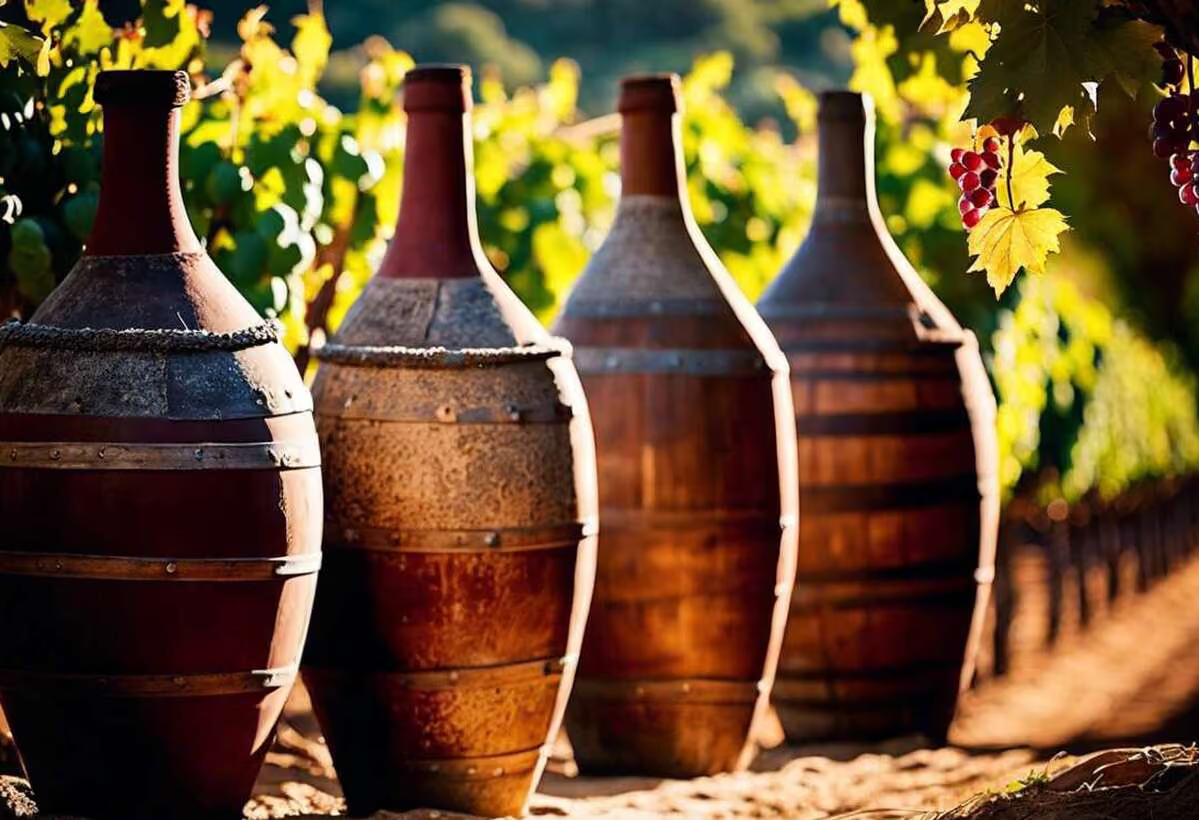
- Modern amphorae, made from clay or terracotta, offer options suited to every winegrower.
3. Winemaking Without Additives
Producers of natural wine favor respectful practices, such as avoiding sulfur and stabilization products.
4. Aging in Amphora
After fermentation, the wine stays in the amphora to clarify naturally and develop its aromas.
The Benefits of Amphora Wines
1. Respect for the Environment
Amphorae, made from natural materials, fit naturally into a sustainable, eco-friendly approach.
2. Authenticity and Uniqueness
Every wine is unique, fully reflecting the character of the grape variety and the terroir.
3. No Oaky Aromas
Unlike oak barrels, amphorae don’t impart woody flavors, allowing the wine to express itself freely.
4. Adapted to Different Styles
Amphorae work just as well for reds as for whites, and even orange wines.
The Pioneering Regions and Estates of Amphora Wines
1. Georgia: The Birthplace of Amphorae
Georgian estates continue to use qvevris to produce wines recognized around the world.
2. Italy: Rich, Elegant Wines
Friuli and Tuscany specialize in orange wines and whites aged in amphora.
3. France: Growing Interest
Many French estates, especially in Provence and Alsace, are adopting this method to diversify their production.
4. Spain and Portugal
These countries, rich in winemaking traditions, are innovating by combining amphorae and indigenous grape varieties.
5. The New World
Winegrowers in California, Australia, and South Africa are also experimenting with amphorae.
How Do You Taste an Amphora-Aged Wine?
1. Serve at the Right Temperature
- Reds: 14-16 °C.
- Whites and orange wines: 10-12 °C.
2. Choose the Right Glass
Tulip-shaped glasses help concentrate the complex aromas of amphora wines.
3. Give It Time to Open Up
These wines often need a little oxygen to reveal their full aromatic range.
4. Explore Food and Wine Pairings
- Reds: Grilled meats, spicy dishes.
- Whites: Seafood, aged cheeses.
- Orange wines: Asian cuisine, Mediterranean dishes.
Mistakes to Avoid with Amphora Wines
1. Comparing Them to Classic Wines
These wines have a personality of their own. Learn to appreciate them for what makes them unique.
2. Serving Them Too Cold
A wine that’s too cold hides its aromas and complexity.
3. Neglecting Storage
Amphora wines should be stored away from light and at a constant temperature.
Current Trends in Amphora Wines
1. Experimenting with Rare Grape Varieties
Winegrowers are testing lesser-known grape varieties to produce unique amphora wines.
2. Interest in Small Producers
Wine lovers are gravitating toward artisanal estates that respect the environment.
3. Discovery Workshops
More and more wine shops are offering tastings dedicated to amphora wines.
Conclusion: A Return to Roots, with a Modern Edge
Amphora wines, thanks to their ancestral winemaking techniques and their connection to natural wine, embody an approach that feels both traditional and innovative. They win people over with their authenticity, their respect for the environment, and their ability to reveal the richness of terroir. Try these wines at your next tasting to explore a truly extraordinary experience.
If you enjoyed this article, don't hesitate to read the next one, "The Best Organic Wines to Add to Your Collection", which might also interest you!
Good to know:
The best way to get better at tasting is to write down what you taste: colour, nose, palate, and above all what you thought of it. Over time, your notes reveal your preferences far better than any guide. In Oeni, every bottle in your cellar has its own tasting sheet, ready to fill in within seconds.