

For centuries, appellations have structured the world of wine. They enable wine lovers and professionals alike to find their bearings. But more than that, they ensure continuity between terroir, know-how and quality.
The birth of the appellations and their mission
The first forms of official recognition of terroirs date back to the medieval period. Even then, certain villages were renowned for their unique wines. However, it was only in the 20th century that the appellation system truly took shape. In France, the INAO (National Institute of Origin and Quality) has overseen this system since 1935. The objective is simple: to preserve the typicity of the wine linked to a region, a climate, and a production method.
An appellation is not simply a marketing label. It is based on strict specifications. Authorized grape varieties, planting density, yields, harvesting – everything is regulated to guarantee a distinctive taste.
The wine's typicity, a reflection of the wine terroir
The concept of wine typicity rests on the idea that a wine reflects its origin. It is the faithful expression of a place, a climate, a soil, but also of a winemaking style. For example, a Chablis is recognized by its mineral freshness and tension. A Pomerol is distinguished by its roundness and its notes of dark fruit.
The wine-growing terroir directly influences grape ripeness, sugar concentration, acidity, and aromas. The role of the appellation is to guarantee that this aromatic signature is preserved. Thanks to this regulation, consumers find expected sensory markers in every appellation wine.
Appellation wine: a geographical and cultural recognition
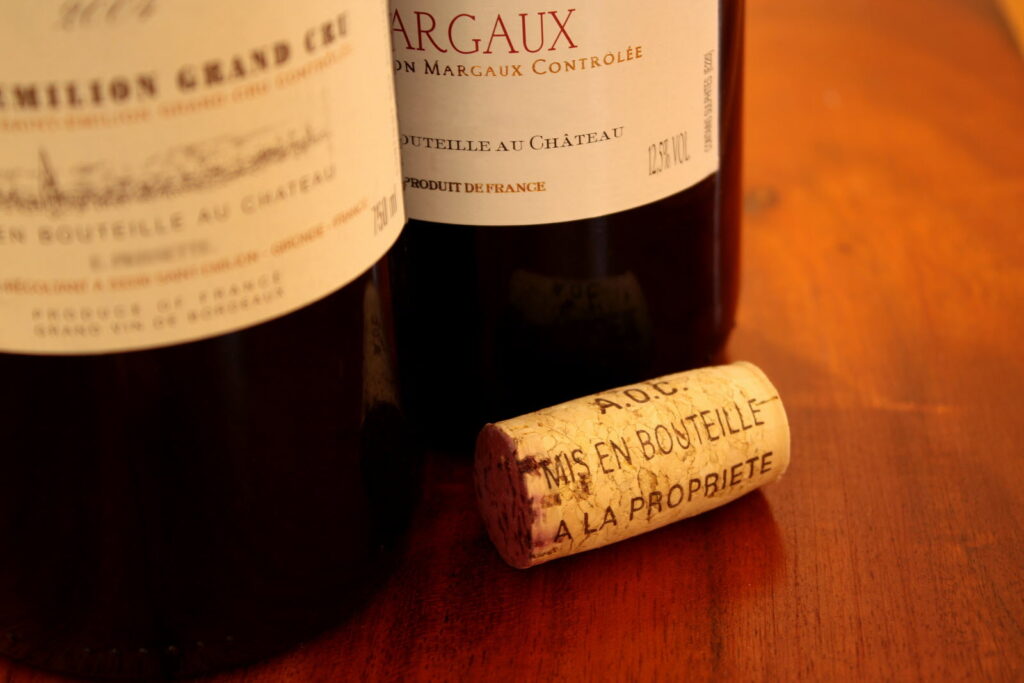
An appellation wine is not simply a product from a specific place. It is also a testament to local culture, ancestral practices, and collective expertise. When a winemaker adheres to an appellation, they are committing to a demanding approach. They are not producing a wine by chance, but a wine with a clear identity.
This identity is expressed through respect for traditional grape varieties. For example, Muscadet uses only the Melon de Bourgogne grape. In Cahors, the Malbec grape reigns supreme. This respect for tradition reinforces the wine's distinctive character, rooted in a rich local history.
The wine-growing terroir at the heart of taste
The wine-growing terroir combines several natural elements: the soil, the subsoil, the climate, the altitude, the sun exposure, and also the surrounding vegetation. Each factor contributes to shaping the wine's personality. Limestone soil produces wines with a taut structure. Clay soil offers more power. A southern exposure promotes ripening. Altitude slows down the harvest.
The appellations take these parameters into account. They divide the regions into coherent zones. Respect for this wine-growing terroir becomes a cornerstone of production. This avoids excessive standardization and preserves sensory diversity.
Designations of origin: a tool for traceability and trust
In a globalized market, the mention of a wine's appellation offers consumer security. It guarantees the product's origin, protects against fraud, and certifies a consistent level of quality. The label allows the buyer to quickly identify the wine's provenance and style.
This traceability strengthens trust between producer and consumer. A wine bearing the AOC or AOP label embodies a logic of transparency. The wine's typicity then becomes a promise kept, vintage after vintage.
Regulatory framework in the service of distinctiveness
The specifications for each appellation wine define precise rules. These rules are regularly revised. They adapt to climate changes and oenological discoveries. But they maintain a common foundation: the wine's typicity.
This means that a wine produced outside the established criteria cannot claim the appellation. It will then be classified as an IGP or Vin de France. This strict control helps protect the image of wine-growing regions and prevent industrial-scale practices.
Names synonymous with diversity
Appellations don't stifle creativity. On the contrary, they celebrate differences. Each region develops its own identity. The Jura offers unique oxidative wines. The Loire Valley emphasizes freshness and elegance. Burgundy magnifies the purity of a single grape variety. Thanks to this diversity, the concept of wine typicity remains vibrant.
Wine regions offer an infinite range of styles. Appellations reveal, protect, and make them accessible. This system prevents the global homogenization of taste.
When distinctiveness becomes a commercial asset
Today, the distinctive character of wine is sought after in international markets. Wine lovers want to discover authentic wines. They are looking for new experiences, far removed from standardized profiles. Appellation wines thus become a vehicle for authenticity.
Sommeliers value this distinctiveness in their selections. Restaurateurs offer terroir-driven pairings with regional dishes. The wine region is becoming a differentiating factor in a competitive market.
Appellations and the future of wine
Faced with the challenges of climate change, appellations are adapting. Some are authorizing new grape varieties. Others are modifying practices to preserve the wine's unique character. Flexibility is becoming an asset without compromising identity.
Innovation does not destroy the foundations. It strengthens them by allowing continuity. Wine-growing regions thus retain their power of expression, while meeting the expectations of future generations.
If you enjoyed this article, don't hesitate to read the following one "Foie gras and wine: should you always opt for a sweet wine?"which may also be of interest to you!