

Urban viticulture has enjoyed a surprising boom in recent years. City dwellers are rediscovering the pleasure of growing vines in the heart of the city. The result is a unique urban wine with a strong local identity. The phenomenon is attracting amateurs and professionals alike.
If you're interested in wine-related articles, download our app for IOS or Android. It will give you access to our wine lexicon, our articles and our innovative solution, designed for all wine consumers and collectors.
Understanding the concept of an urban vineyard
An urban vineyard refers to a plot of vines located in an urban setting. These vineyards can be found on rooftops, in parks, or on vacant lots. Urban viticulture brings wine production closer to residents. It creates a direct link between the urban environment and the consumer. Production volumes remain modest, but the social and cultural impact is significant.
The ancient and recent history of urban viticulture
Urban viticulture is not a modern invention. In the Middle Ages, many cities had their own vineyards. Paris, Lyon, and Marseille once had grapevines growing right next to residential areas. The decline came with industrialization and rapid urbanization. Today, urban vineyards are making a comeback thanks to initiatives by citizens and community groups. Urban wine is thus regaining its place in local heritage.
The motivations behind urban viticulture
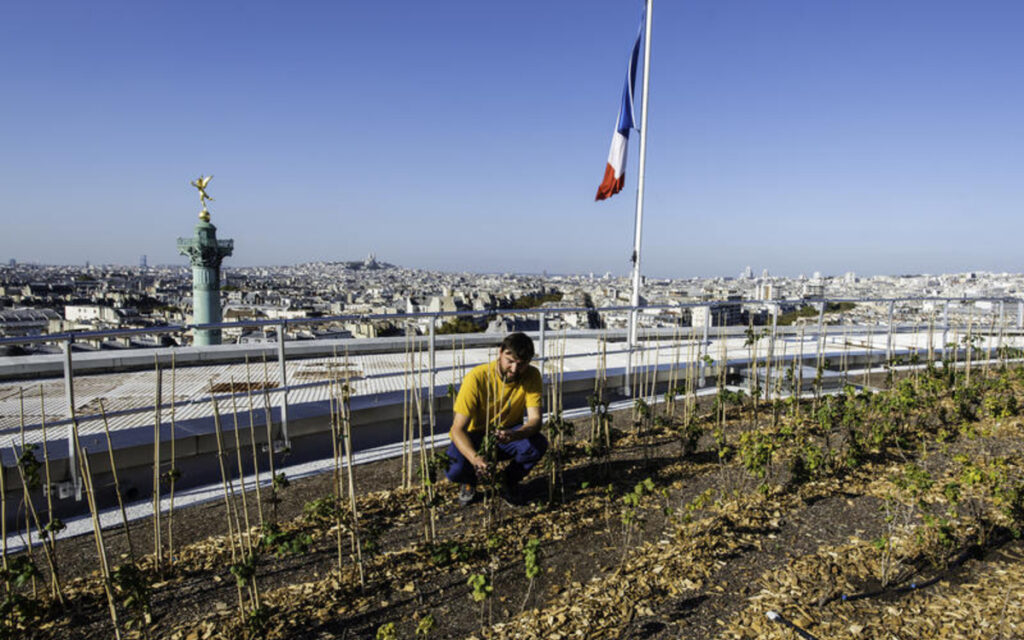
There are several reasons for this trend. Some people want to breathe new life into unused land. Others hope to raise awareness among city dwellers about urban viticulture. Urban wine production also promotes local consumption. Residents sometimes participate in the grape harvest, which strengthens the sense of community. Urban viticulture is also part of an ecological approach.
The specific challenges of urban vineyards
Establishing an urban vineyard requires dealing with specific challenges. Available space is limited, which restricts the size of the plots. Urban viticulture must also adapt to air pollution. Urban soils may contain traces of heavy metals. Urban viticulture projects often involve preliminary analyses. These studies ensure the safety and quality of the future urban wine.
Farming techniques suited to urban environments
To optimize an urban vineyard, winemakers use specific methods. Planting in containers or pots helps overcome soil limitations. Drip irrigation conserves water in urban viticulture. Short pruning makes management easier in confined spaces. Urban viticulture also relies on disease-resistant grape varieties. This limits the use of chemical treatments and preserves local biodiversity.
Famous examples of urban wine
Some cities are known for their iconic urban vineyards. Paris is home to the Montmartre vineyards, famous for their small-batch urban wine. Lyon has replanted vineyards on its historic hillsides. In New York, urban viticulture takes place on converted rooftops. Each urban viticulture project expresses its own unique identity. The bottles become objects that are as symbolic as they are delicious.
The economic and social benefits
An urban vineyard revitalizes a neighborhood and attracts visitors. The sale of urban wine supports the local economy. Urban viticulture also creates job and training opportunities. Urban viticulture projects often involve schools, organizations, or restaurants. This educational aspect raises awareness of natural cycles and responsible agriculture.
The Role of Research in Urban Viticulture
Urban viticulture benefits from extensive scientific research. Researchers are studying the impact of pollution on urban vineyards. They are developing solutions to improve grape quality. Innovations also focus on growing media and water management. These advances enhance the sustainability of urban vineyards. They help ensure that urban wine is of consistent quality.
Events at the urban vineyard
Many cities host grape harvest festivals. These events highlight the city’s wine culture and local heritage. Wine tastings offer a chance to discover the diversity of urban wines. Educational activities explain the stages of urban viticulture. These events foster a strong bond between producers and residents.
The Future of Urban Micro-Vineyards
The growth of urban vineyards will depend on the role nature plays in cities. Urban vineyard projects are appealing because of their ecological benefits. Urban viticulture could diversify through public-private partnerships. Urban wine could become a powerful symbol of a city’s identity. The coming years will confirm this sustainable trend.
If you enjoyed this article, be sure to check out the next one: “How can you easily keep track of the bottles in your wine cellar without having to write everything down by hand?”, which you might also find interesting!