
Molecular gastronomy explores chemical reactions in the kitchen to create new sensations. Combined with wine, it opens up surprising perspectives. These experiments push back the traditional boundaries of food and wine pairing, inviting us to rethink established rules.
If you're interested in wine-related articles, download our app for IOS or Android. It will give you access to our wine lexicon, our articles and our innovative solution, designed for all wine consumers and collectors.
Understanding the basics of molecular gastronomy
Molecular gastronomy is based on the scientific analysis of ingredients. Chefs use techniques such as spherification and gelation. These processes transform textures and flavors, creating visually stunning dishes. Pairing these dishes with wine requires a nuanced understanding of aromas and flavor balance. In this context, food and wine pairings go beyond simple, traditional complementarity.
The Role of Culinary Innovation in Food and Wine Pairings
Culinary innovation makes it possible to offer novel pairings of food and wine. Chefs play with contrasts in texture and temperature. Experimental wines complement these creations by offering unique aromatic profiles. These experiences stimulate the senses and redefine our perception of food and wine pairings. Molecular gastronomy is becoming an endless field of exploration for sommeliers and chefs.
Experimental wines that inspire creativity
Experimental wines often result from unconventional winemaking methods. Extended maceration, fermentation in amphorae, or unusual aging processes alter the wine’s structure. These distinctive wines pair perfectly with molecular gastronomy dishes. Their uniqueness enhances the impact of food-wine pairings. Culinary innovation thus finds an ideal partner to delight the palate.
Playing with volatile aromas to create unique flavor combinations
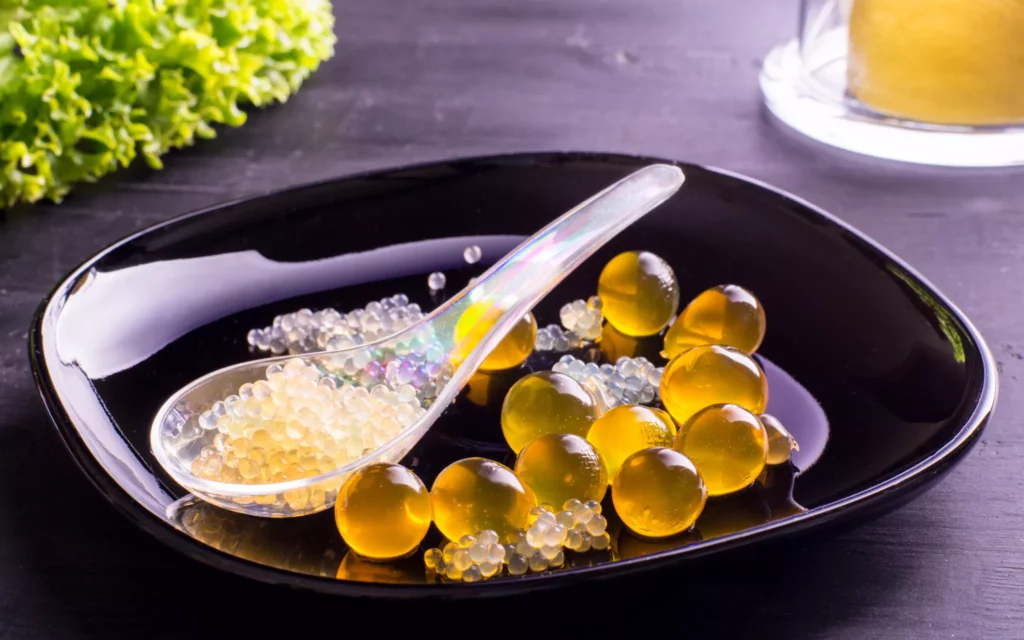
In molecular gastronomy, volatile aromas have a significant impact on the taste experience. Some dishes release their aromas even before they are tasted. Pairing a wine with complementary or contrasting notes creates a striking effect. Experimental wines often offer unexpected aromatic profiles. This approach makes it possible to create memorable food-and-wine pairings.
Textures as the key to the perfect pairing
Textures alter the perception of flavors. Molecular gastronomy offers surprising mousses, gels, powders, and emulsions. A sparkling wine can enhance a light, airy dish. Conversely, a full-bodied red pairs well with a hearty dish. Culinary innovation and experimental wine thus offer an almost limitless range of pairings.
The Importance of Temperature in Wine Tasting
Temperature directly influences a wine’s aroma and structure. In molecular gastronomy, dishes often play on temperature contrasts. Serving a very chilled wine with a hot dish creates a striking contrast. Culinary innovation uses this approach to enhance the impact of food and wine pairings.
Examples of successful unexpected combinations
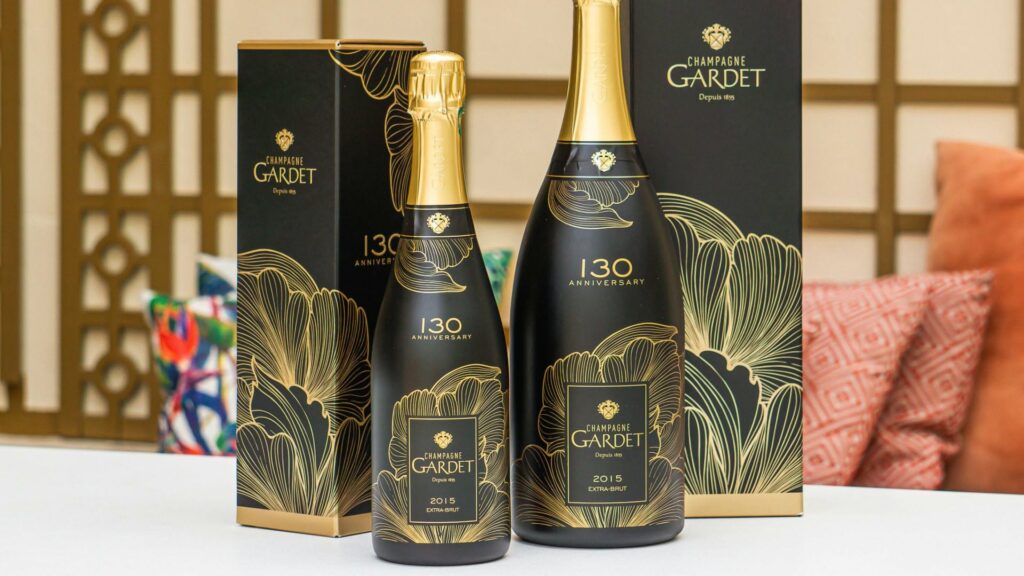
Some pairings perfectly illustrate this harmony. An extra-brut champagne accompanies a foie gras sphere with a fruity center. An experimental wine made through extended maceration enhances a jelly made from aromatic herbs. Molecular gastronomy and culinary innovation thus transform food-and-wine pairings into true artistic experiences.
The challenges facing the sommelier and the chef
Creating a pairing in this context requires great precision. The sommelier must anticipate how the aromas will evolve on the palate. The chef, for his part, adjusts the textures and flavors. Culinary innovation and molecular gastronomy demand constant dialogue. Together, they craft food-and-wine pairings that break new ground.
The customer experience at the heart of the concept
The success of a dining experience also depends on the emotions it evokes in the guest. Molecular gastronomy dishes amaze with their originality. Experimental wine complements this surprise by adding a unique dimension to the taste experience. These experiences contribute to sensory memory and enhance the perceived value of the meal.
Toward a future full of innovation
The partnership between molecular gastronomy and experimental wine is expected to continue to grow. Technological advances are opening up new possibilities for culinary innovation. Food and wine pairings will evolve toward increasingly bold combinations. Chefs and winemakers will continue to push the boundaries to appeal to a curious and open-minded audience.
If you enjoyed this article, be sure to check out the next one: “Cryoextraction in Sweet White Wines,” which you might also find interesting!