
In the demanding world of haute cuisine, every detail counts. The choice of wine plays a central role in this quest for excellence. The chefs and sommeliers of Michelin-starred restaurants don't select a wine at random. They seek to create the perfect harmony between food and drink.
The subtle pairing of dishes and fine wines
In a fine-dining restaurant, dishes are conceived as works of art. Fine-dining wine enhances this creation without ever overpowering it. Michelin-starred chefs work closely with sommeliers. Together, they craft exquisite pairings where textures, aromas, and intensity complement one another. A mineral-driven white wine can reveal the full delicacy of a pearly-hued fish. A structured red can envelop the powerful notes of aged meat. The goal remains the same: to prolong the dining experience with a perfectly chosen sip.
The crucial role of sommeliers in Michelin-starred restaurants
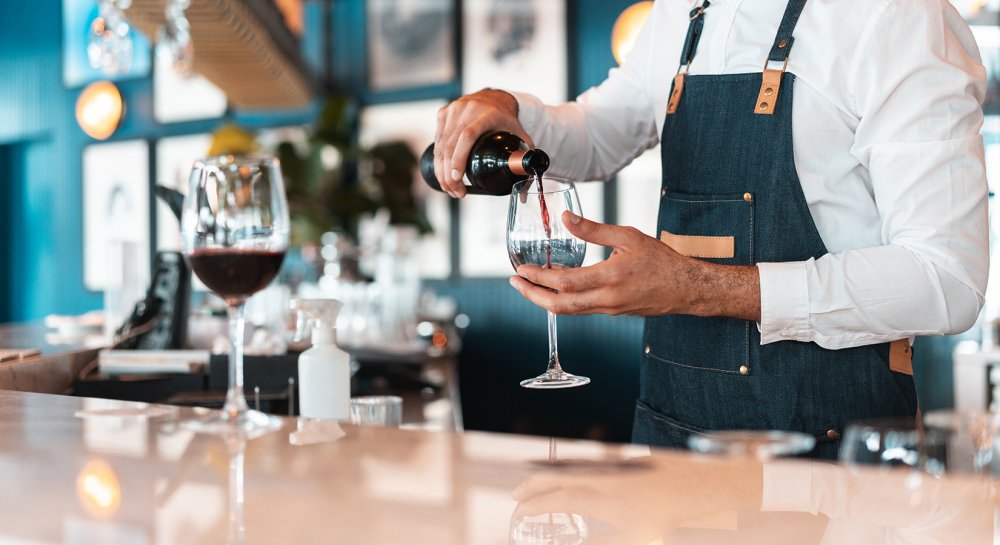
The sommelier does more than just provide a well-stocked wine list. He acts as an advisor and guide in the discovery of exceptional wines and chefs. His mission is to understand the structure of a dish in order to pair it with the ideal wine. He knows the grape varieties, terroirs, vintages, and how they evolve. He also masters serving and aeration techniques. Each wine is served at the right temperature, in the appropriate glass, after being decanted if necessary. In Michelin-starred pairings, the sommelier tells a story—that of a winemaker, a terroir, or a vintage. This narrative adds an extra layer of depth to the culinary experience.
The Importance of Wine in Creating a Michelin-Starred Menu
At the finest restaurants, the wine list is an integral part of the menu. Sometimes, chefs even design a dish around a specific wine. Pairing is no longer a secondary consideration but a central focus. Some establishments offer tasting menus with five- or seven-course pairings. These offerings allow diners to explore lesser-known fine wines, rare bottles, or biodynamic vintages. The diversity of appellations, winemaking techniques, and aging styles allows for boundless creativity. An orange wine can pair with a vegetable dish featuring mild spices. An aged Sauternes can complement foie gras or a hazelnut dessert.
Wines and Chefs: A Creative Dialogue
The finest wines and chefs develop a close bond over time. Some winemakers work exclusively with prestigious restaurants. Others adapt their winemaking style to a chef’s needs. This close connection between cuisine and the vineyard illustrates the richness of France’s gastronomic heritage. Through Michelin-starred pairings, these two worlds come together and enrich one another. The chef expresses his vision through flavors. The winemaker conveys his through the balance of a vintage.
The Impact of Service and Presentation
In haute cuisine, wine service becomes a ritual. It follows a precise protocol, orchestrated with discretion and elegance. The sommelier announces the wine, detailing its origins and characteristics. He checks its temperature, takes a quick sip to verify its quality, and pours it delicately. This presentation reinforces the respect shown for the product. It elevates the dining experience to a sacred moment. The guest does not merely drink; they discover, they share, they learn. The service contributes to the awakening of the senses just as much as the cuisine itself.
The Role of Rare and Prestigious Wines
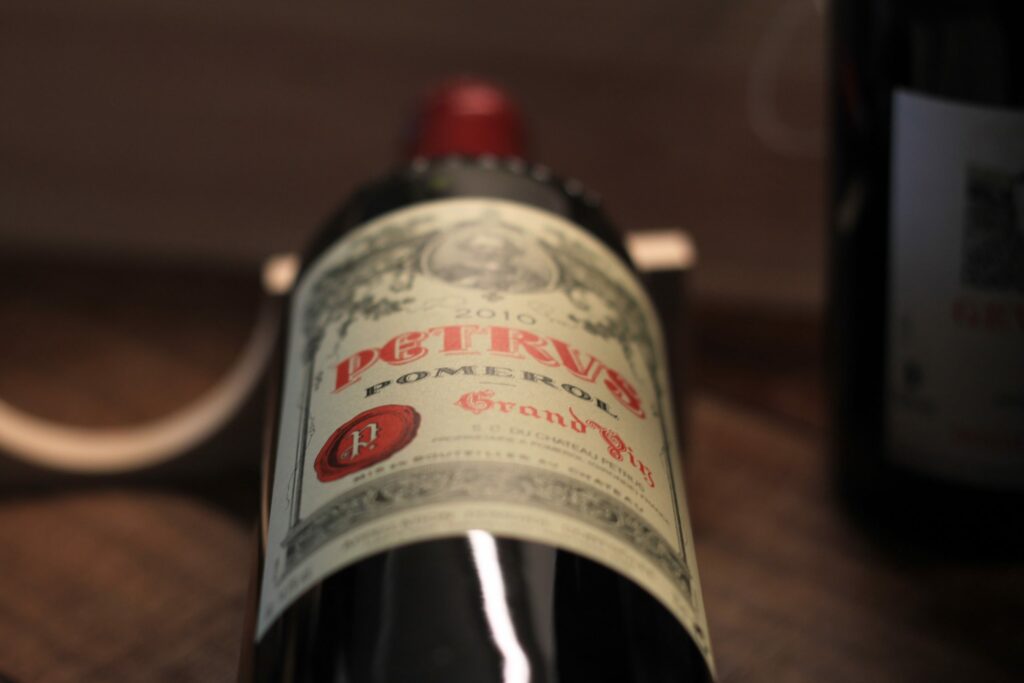
In Michelin-starred restaurants, the wine cellar often holds true treasures. The fine wines offered are selected with meticulous care and passion. Here you’ll find prestigious appellations, vintage wines, and limited-edition bottles. These bottles represent the pinnacle of winemaking. They are served for special occasions or offered to a discerning clientele. Some wine lists also highlight wines from small producers, chosen for their character or boldness. This diversity reflects a commitment to openness and modernity. It allows diners to discover unique expressions of French or international terroirs.
The shift toward greater openness
Fine dining evolves with the times. New generations of sommeliers are embracing natural, organic, and amphora wines. They’re exploring bold pairings with sparkling wines, wines from the Jura, and wines from Georgia. They’re daring to step outside the traditional framework to offer new experiences. This curiosity is well received by an increasingly discerning and inquisitive clientele. Michelin-starred pairings are no longer limited to Bordeaux or Burgundy grands crus. They now include wines from Italy, Austria, South Africa, and Lebanon. This openness fuels the creativity of both winemakers and chefs, and enriches the dining experience.
Wine as an extension of the culinary experience
A well-chosen wine for a meal does more than simply accompany a dish. It prolongs the dining experience and reveals its hidden nuances. It can soften a texture, balance a sauce, or highlight a spice. The wine thus becomes an invisible yet essential ingredient. It bridges the different courses of the meal. It creates continuity, a sensory thread. In Michelin-starred restaurants, this ability to create a dialogue between liquid and solid is the very essence of the art of dining. Fine dining wine becomes both a signature and a tribute to French excellence.
If you enjoyed this article, be sure to check out the next one: “Lobster and wine: white wine or champagne—which should you choose?,” which you might also find interesting!