

Wine is born from a simple fruit, the grape, but making it requires rigor and know-how. Understanding the different stages in the wine-making process helps you appreciate it more fully. Each phase, from harvest to bottling, influences the final quality.
The harvest: the start of winemaking
The first stage in winemaking begins with the grape harvest. Winemakers choose the ideal date based on the weather and the grapes’ ripeness. Harvesting too early results in an acidic wine. Harvesting too late makes the wine heavy. The grapes are picked by hand or by machine, depending on the vineyard. A rigorous sorting process removes any damaged fruit.
Destemming and crushing: preparing the grapes
After the harvest, the grapes are separated from the stems. This process is called destemming. It helps prevent the bitterness that the stems can impart. Next comes crushing, which bursts the berries without crushing the seeds. These two steps prepare the must, that is, the juice that will become wine. These initial steps mark a crucial stage in winemaking.
Maceration: the extraction of aromas and colors
During maceration, the skins, seeds, and sometimes the stems remain in contact with the juice. This phase lasts from a few days to several weeks. It allows for the extraction of color, tannins , and aromas. For red wines, this step is essential. For white wines, the grapes are pressed immediately, without maceration. Winemaking therefore differs depending on the color of the wine.
Alcoholic fermentation: the heart of wine development
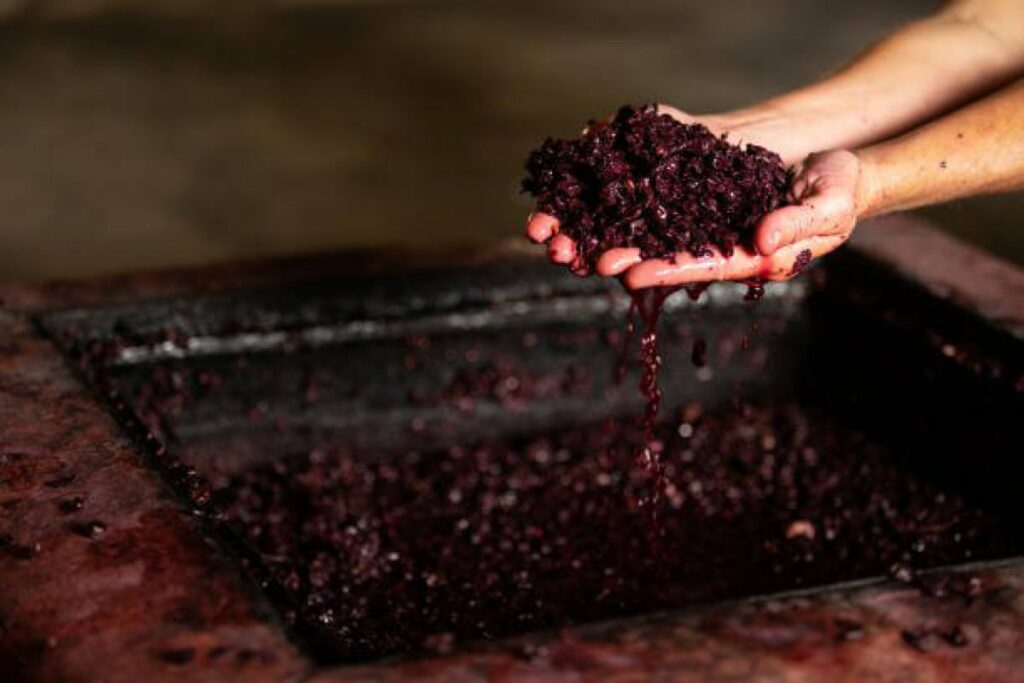
Alcoholic fermentation converts sugar into alcohol with the help of yeast. This natural process takes anywhere from a few days to three weeks. It also produces aromas. The temperature must be carefully controlled to preserve the aromas and prevent off-flavors. It is one of the most delicate stages in winemaking. The process is constantly monitored to ensure complete fermentation.
Pressing: separating the juice from the pomace
Once fermentation is complete, the winemaker proceeds to pressing. This step separates the juice from the pomace—that is, the skins, seeds, and stems. The juice extracted during pressing has more structure. It can be blended with the free-run juice (obtained without pressing). The choice depends on the desired style of wine. This decision influences the wine’s final profile.
Malolactic fermentation: softening red wine
In most red wines, a second fermentation takes place: malolactic fermentation. It converts malic acid into lactic acid. This process softens the wine and stabilizes its structure. It also imparts buttery or milky aromas. It is an integral part of traditional winemaking. It is rarely used for white wines.
Aging: enhancing the flavors
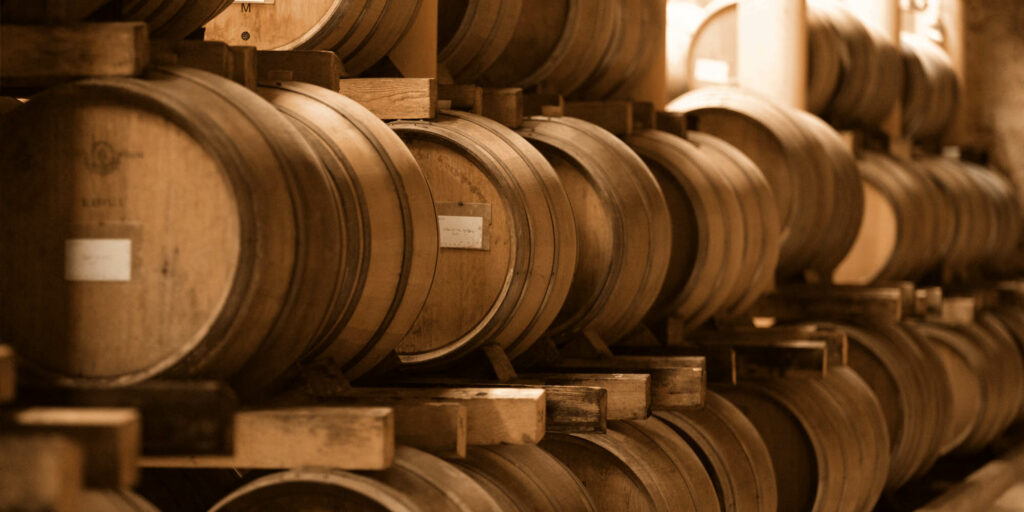
Aging refers to the phase during which the wine rests in tanks or barrels. It can last from a few months to several years. Aging in oak barrels adds complexity and roundness. Aging in stainless steel tanks preserves freshness. The choice depends on the grape variety, the terroir, and the winemaker’s objective. This stage of the wine’s development allows the aromas to harmonize.
Racking and clarification: purifying the wine
During aging, sediment forms. Racking involves transferring the wine to separate it from its lees. Multiple rackings may be necessary. To further clarify the wine, natural agents such as egg whites or bentonite are sometimes added. Clarification makes the wine clear. It also improves the wine’s long-term stability.
Filtration: Ensuring Microbiological Stability
Before bottling, the wine may be filtered. This step removes unwanted residues and ensures microbiological stability. An unfiltered wine can continue to evolve rapidly. Some winemakers choose not to filter in order to preserve the wine’s natural character. This decision is part of each winery’s philosophy. It marks the end of the wine’s development before bottling.
Blending: Creating a Unique Balance
Blending involves combining different grape varieties or vineyard plots. The goal is to create a harmonious wine. A winemaker may blend wines from several barrels or tanks. This step influences the wine’s balance, complexity, and character. It is an art that requires experience and intuition. Blending is one of the stages in winemaking where the winemaker’s sensitivity truly shines through.
Bottling: the final stage of winemaking
After the final checks, the wine is ready to be bottled. Bottling is done under a protective atmosphere to keep out oxygen. The choice of cork or screw cap affects the wine’s aging potential. A cork allows for micro-oxygenation, while a screw cap preserves freshness. This step marks the culmination of the wine’s development.
From the cellar to the tasting: the final stage of wine
Once bottled, wine can continue to evolve in the cellar. Proper storage depends on temperature, humidity, and darkness. A well-stored wine gains in complexity. Each bottle then becomes a reflection of a long and meticulous process. Tasting brings this journey to a close. It reveals the richness of the work accomplished at every stage of the wine’s production.
If you enjoyed this article, be sure to check out the next one: “The Secrets of Tuscany’s Great Wines,” which you might also find interesting!