
For centuries, winemakers have looked to the sky to guide their work. The moon and the vines hold a special place in their world. Its cycles set the pace for many winemaking practices and continue to influence biodynamic viticulture today.
If you're interested in wine-related articles, download our app for IOS or Android. It will give you access to our wine lexicon, our articles and our innovative solution, designed for all wine consumers and collectors.
The age-old connection between the vineyard and the moon
Even in ancient times, people observed the effects of the stars on plants. They linked the phases of the moon to the growth and vigor of the vines. Farmers adapted their farming practices according to the lunar cycles. This empirical knowledge was passed down from generation to generation in the vineyards.
The lunar calendar was used to determine the best times for planting, pruning, or harvesting. Each phase was believed to influence the sap flow and vitality of the vines. These observations laid the foundation for certain modern viticultural practices that are still used on some estates.
The Role of the Lunar Calendar in Viticulture
The moon follows a 28-day cycle, divided into four main phases. Each phase influences the vine’s growth and, consequently, vineyard management. The new moon marks a period of rest, which is ideal for soil preparation.
The waxing moon stimulates sap flow. Winegrowers take advantage of this to plant or promote the growth of young vines. The full moon marks a peak in energetic activity that can boost growth. Finally, the waning moon prompts winegrowers to prune or harvest. These milestones form a valuable lunar calendar for biodynamic viticulture.
Biodynamic viticulture and the influence of the moon
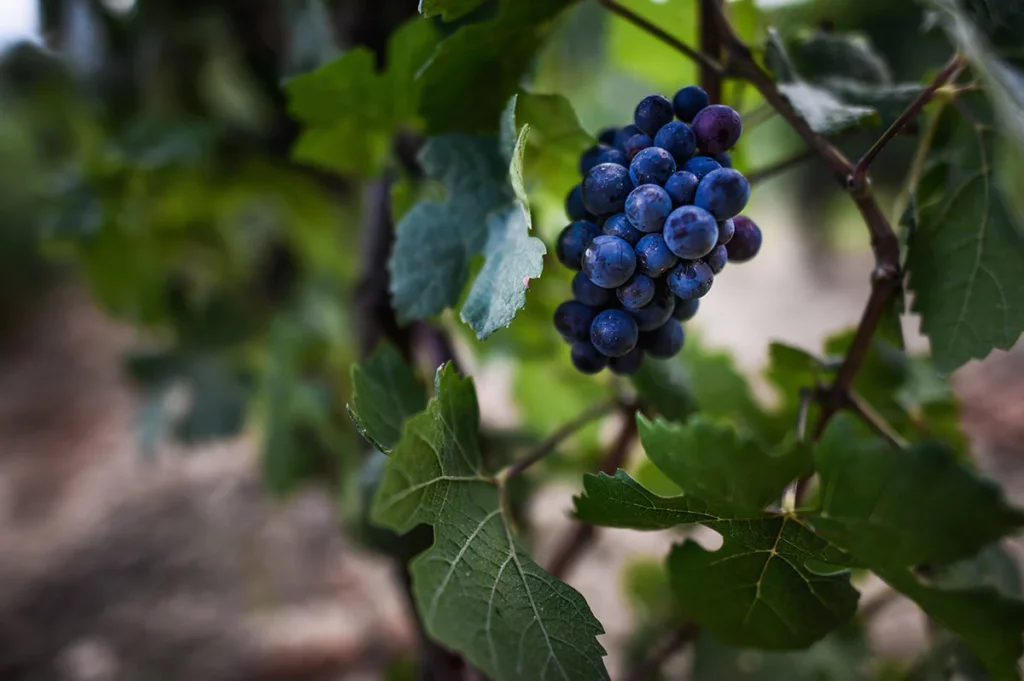
Biodynamic viticulture incorporates lunar cycles into a holistic approach. It is based on the idea that the vineyard is part of a living ecosystem. Winegrowers view the moon as an essential guide.
They tailor the care they provide to the vines according to cosmic rhythms. Spraying with biodynamic preparations often follows the lunar calendar. These practices strengthen the vines’ natural resistance and enhance the quality of the grapes.
This method requires precision and careful observation. Wineries that practice biodynamic viticulture claim to produce more expressive and balanced wines. Their viticultural practices are based on harmony between the vine and its environment.
Root, Leaf, Flower, and Fruit Days
The lunar calendar isn't limited to the visible phases. It also includes root, leaf, flower, and fruit days. Each corresponds to a different part of the plant. Winemakers adjust their viticultural practices based on these guidelines.
Root days are ideal for root-related tasks such as planting. Leaf days are best suited for caring for foliage. Flower days are associated with blooming and light maintenance. Fruit days are ideal for harvesting and wine tasting.
Thus, the lunar cycle guides much more than just pruning and harvesting. It forms the basis of a comprehensive agricultural calendar that is followed in biodynamic viticulture.
Wine-growing practices influenced by the moon

Many of the tasks performed by winemakers follow the lunar calendar. Pruning remains essential, as it affects the vine’s vigor and the future harvest. When done during the waning moon, it reduces sap flow and promotes healing.
Plowing is often done on root days. This stimulates the vine’s underground growth. Natural treatments for diseases are applied on leaf days to strengthen the above-ground parts of the vine.
Finally, harvesting is best done on "fruit days." These days enhance the grapes' aromatic quality. The vineyard moon calendar thus serves as a precise guide for daily viticultural practices.
The debate over the moon and the vineyard
Not all winemakers follow the lunar calendar. Some believe that the moon’s influence is largely a matter of tradition. Modern science has struggled to clearly demonstrate the effectiveness of these methods.
Yet many advocates of biodynamic viticulture strongly believe in the moon’s real impact on grapevines. They base their views on their own experiences and on the quality of the wines produced. The debate between tradition and science remains open, but viticultural practices tied to the moon are attracting more and more wine enthusiasts.
A tasting guided by the lunar calendar
The lunar calendar isn’t just for vineyard work. Some people also use it to guide wine tastings. “Fruit days” are said to be ideal for appreciating aromas, while “root days” are said to offer a more austere experience.
This approach appeals to wine enthusiasts looking for sensory cues. It highlights the importance attributed to the moon’s influence on grapevines in the world of winemaking. Professional tasters sometimes experiment with this method to better understand how sensory impressions vary.
Toward a more sustainable approach to viticulture
Biodynamic viticulture is attracting many wineries committed to sustainability. It is based on a close connection with natural cycles. Winemakers incorporate the lunar calendar into their practices to ensure respectful management of the soil and vines.
This approach is part of a broader movement toward more environmentally friendly winemaking practices. The lunar calendar helps structure vineyard management without relying solely on chemicals. This vision is defined by the pursuit of a balance between nature and cultivation.
Ancient wisdom that lives on
The fascination with the moon and vineyards shows no signs of waning. Modern winemakers still draw on tradition to enrich their methods. The lunar calendar remains a guide that inspires and shapes biodynamic viticulture.
Whether it’s pruning, harvesting, or tasting, the moon continues to set the pace for life in the vineyards. These winemaking practices reflect a commitment to preserving agricultural heritage while embracing innovation. The blend of tradition and modernity makes this approach particularly vibrant.
If you enjoyed this article, be sure to check out the following article: “Wine and street food: surprising pairings to try,” which you might also find interesting!