Résumer cet article avec
The world of wine is full of specialized terms that can feel intimidating at first. Understanding this wine vocabulary enriches your tasting experience and makes it easier to talk with wine merchants, sommeliers, or winegrowers.
Wine Terms for Describing Appearance
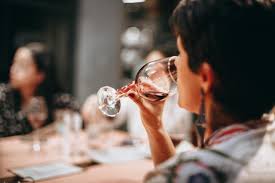
1. Appearance : refers to the color of the wine. It varies according to the grape variety, age, and winemaking style.
2. Clarity : indicates how clear the wine is. A clear wine has no visible particles.
3. Legs (or tears) : streaks left on the sides of the glass. They give clues about the wine’s alcohol or sugar content.
4. Brick-red : describes a red wine that has taken on an orange or brown hue over time. A good sign of aging.
5. Golden : used for whites that have evolved, especially off-dry wines. It often signals aromas of dried fruit or honey.
Terms for Analyzing the Wine’s Nose
6. Nose : the full set of aromas you perceive when smelling the wine. You can distinguish the first, second, and third nose.
7. Bouquet : refers to a complex set of aromas, often linked to aging or maturation.
8. Primary aromas : come from the grape variety. They evoke fruit, flowers, or herbs.
9. Secondary aromas : developed during fermentation, they include notes of yeast, brioche, or butter.
10. Tertiary aromas : brought out by aging, they recall leather, forest floor, sweet spices, or truffle.
Wine Vocabulary for Tasting on the Palate

11. Attack : the initial sensation as soon as the wine hits your palate. It can be supple, lively, or powerful.
12. Structure : the overall set of tactile sensations: acidity, tannins, alcohol. It defines the wine’s balance.
13. Tannic : said of a wine rich in tannins. These create a drying, astringent sensation.
14. Round : a supple wine, soft on the palate, with no rough edges. Common in ripe reds or rich whites.
15. Length : the persistence of aromas after you swallow or spit the wine. The longer it lasts, the higher the wine’s quality.
Wine Words Linked to Winemaking
16. Grape variety : the type of grape used. Each grape variety influences the wine’s aromas, structure, and color.
17. Terroir : the combination of soil, climate, and local know-how. It gives the wine its unique character.
18. Aging : the period after fermentation. The wine rests in tank, barrel, or amphora.
19. Blend : the union of several grape varieties or parcels. It helps create balanced, harmonious wines.
20. Vintage : the year the grapes were harvested. Some years produce more concentrated or better-balanced wines.
Why Learn This Wine Glossary?
Mastering these wine terms helps you better understand labels, reviews, and buying advice. This wine vocabulary also makes conversations easier during visits to domaines or at wine fairs. It helps you express your preferences with greater precision.
During tasting, every term in this wine glossary becomes a tool for analyzing and savoring more deeply. These words turn images and sensations into language for an experience that can sometimes be hard to put into words. They play a full part in enriching wine culture.
Why Wine Vocabulary Matters When Buying or Cellaring
A solid grasp of wine terms helps you choose a bottle more confidently, depending on the moment or the dish. It also gives you useful benchmarks for wine storage. Knowing that a tannic wine with good structure can age well makes you want to keep it for a few years.
On the other hand, spotting a bright appearance and fruity aromas suggests a wine to enjoy soon. Thanks to this wine glossary, cellar management becomes more intuitive. Each wine can be enjoyed at its peak, according to its specific traits.
Wine Words and Sensory Education
Learning these twenty terms isn’t enough. You need to pair them with regular tastings. Wine vocabulary comes alive when it’s grounded in experience. A tannic wine, a round wine, a wine with a complex nose: these are concepts you need to taste.
Tasting schools or wine clubs help you put this wine glossary into practice. Each glass becomes a chance to train your palate and sharpen your judgment. Little by little, these wine terms start to feel natural.
A Living Culture That Keeps Evolving
Wine vocabulary never stops evolving. Old terms resurface, while new ones emerge with new techniques. The rise of natural wine has introduced words like “volatile,” “reduction,” or “oxidative aging.”
Each region also has its own language. In Burgundy, people talk about climats. In Bordeaux, they refer to primeurs. The wine glossary grows richer depending on place and tradition.
Passionate enthusiasts sometimes collect old wine dictionaries. They bear witness to wine’s history and its linguistic shifts. Talking about wine also means taking part in a rich, living cultural tradition.
A Solid Foundation for Any Wine Lover
Whether you simply want to choose a good wine in a restaurant or build a personal cellar, these twenty wine terms form a solid foundation. They structure your thinking, sharpen your sensitivity, and strengthen your sensory memory.
Wine words open the door to a world that’s complex but endlessly fascinating. This wine vocabulary becomes a passport for traveling through terroirs, grape varieties, and styles. It opens the way to a deeper, richer understanding of every bottle.
If you enjoyed this article, don't hesitate to read the next one, "What Wine Goes with Blue Cheese: Bold Move or Classic Tradition?", which might interest you too!