Résumer cet article avec
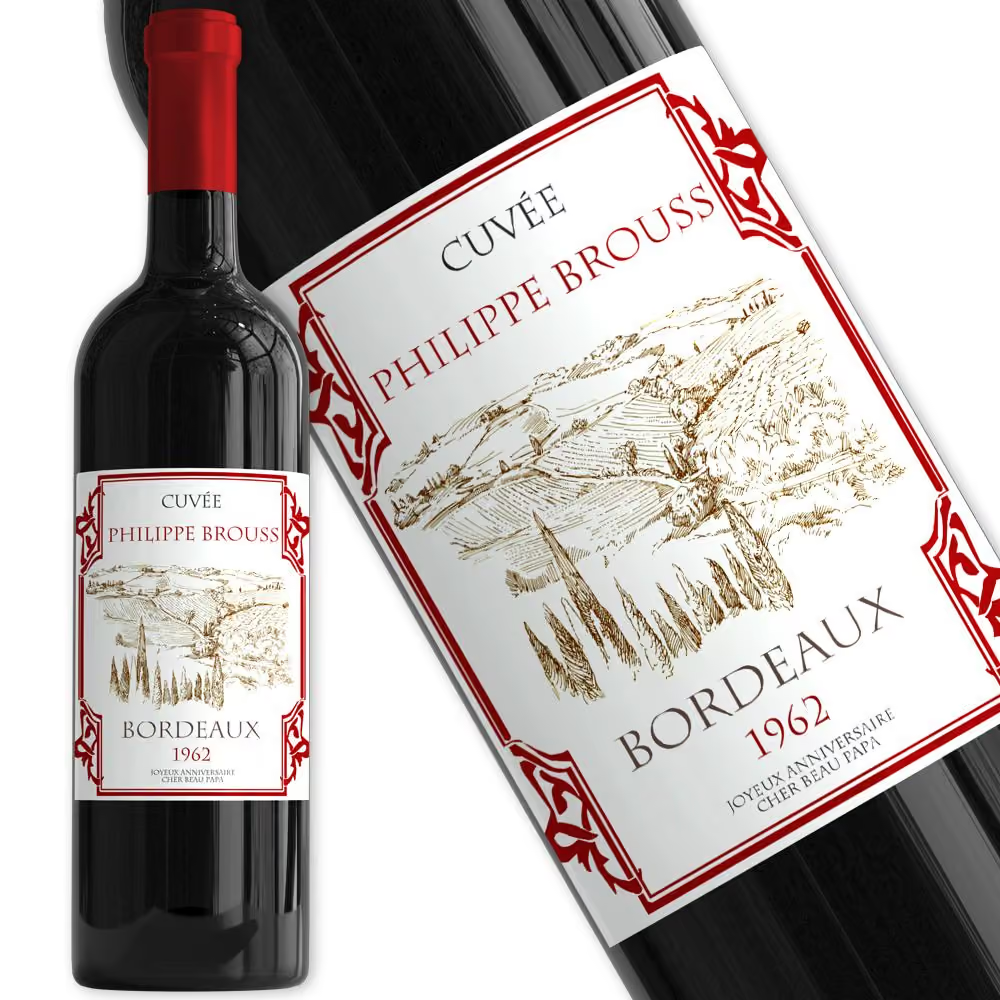
A wine bottle label contains valuable information. It guides you in your choices and sheds light on the wine’s origin, grape variety, and vintage.
Learning to decode these wine labels helps you appreciate your bottles more fully and enriches your experience. Here’s a guide to understanding the essential details and making informed choices.
Why Wine Labels Matter
Wine labels help identify a bottle. They provide details about its origin and quality. Understanding this information makes wine cellar management easier, whether you’re managing a personal cellar or shopping for new bottles.
The Mandatory Details on a Wine Label
1. The Producer or Domaine Name
The producer’s name is often displayed prominently. It guarantees the wine’s authenticity and traceability. Some renowned domaines, such as Château Margaux or Domaine Romanée-Conti, are instantly recognizable.
2. The Appellation d'Origine Contrôlée (AOC)
Appellations d'Origine Contrôlée indicate the wine’s geographic origin and certify that it follows strict production rules. For example, a Bordeaux AOC guarantees that the wine comes from that region and meets its quality standards.
3. The Vintage
The vintage refers to the year the grapes were harvested. It helps you judge whether a given year was favorable for production. Some vintages, such as 2010 in Bordeaux, are especially sought after.
4. Bottle Volume and Alcohol Content
This information is mandatory. It helps you understand the wine’s structure and aging potential.
5. The "Contains Sulfites" Statement
This statement is required to indicate the presence of sulfites, which are used to preserve the wine.
Optional but Useful Details
1. The Grape Variety
Some wines specify the grape variety used, such as Merlot, Chardonnay, or Syrah. This helps guide you toward wines that match your preferences.
2. Awards and Medals
Labels often display awards won in competitions, such as gold medals from the Concours Général Agricole. These distinctions highlight a wine’s quality.
3. Tasting Tips
Some producers add food and wine pairing suggestions to help you get the most out of the tasting experience.
How Do You Read a Back Label?
The back label, found on the back of the bottle, provides additional information. It often details:
- Tasting notes (aromas and flavors).
- Recommended serving temperatures.
- Suitable food and wine pairings.
This information makes wine cellar management easier and helps you enjoy each bottle at its full potential.
Why Appellations d'Origine Contrôlée Matter
Appellations d'Origine Contrôlée certify a wine’s quality and authenticity. They guarantee that the wine follows a precise set of rules, including:
- The geographic origin of the grapes.
- The winemaking methods used.
- The grape varieties allowed in the region.
In France, famous AOCs include Châteauneuf-du-Pape, Saint-Émilion, and Sancerre. These mentions showcase terroir and help you choose with confidence.
Wine Labels and Export Markets
Wines intended for export often include translations or specific mentions to meet foreign market requirements. For example, the United States imposes different labeling standards, such as calorie information.
Common Pitfalls When Reading a Wine Label
1. Confusing Mentions with Quality Labels
A label mentioning "Grand Vin" does not guarantee exceptional quality. The term is free to use.
2. Overlooking Origin Details
Some wines mention well-known regions without belonging to an AOC, such as a "Vin de France" mentioning Bordeaux.
3. Relying Only on Medals
Medals can add value to a wine, but they don’t always reflect your personal preferences.
Why Reading Labels Well Makes Wine Cellar Management Easier
Careful reading of wine labels helps you choose bottles that suit your needs. It helps you:
- Sort your wines by origin or grape variety in your cellar.
- Prioritize bottles that match your tastes.
- Plan the ideal moments to drink your bottles.
Good wine cellar management relies on careful organization and informed choices.
Optimize Your Purchases with Wine Labels
Learn to quickly decode the information so you can select wines that enrich your collection. Look for precise details on the producer, vintage, and AOC to make sure your purchase is a success.
If you enjoyed this article, feel free to read the next one, "How to Organize Your Home Wine Cellar Efficiently," which might also interest you!