Résumer cet article avec
Between growing passions and impulse buys, a wine cellar fills up fast. Yet without a clear system, disorder quickly sets in. Before long, it becomes hard to know where each bottle is or which wines are reaching maturity.
If articles about the world of wine interest you, download our app on iOS or Android. It gives you access to our wine glossary, our articles, and our innovative solution, designed for every wine consumer and collector.
Understanding Why Organizing Your Wine Cellar Matters
A well-organized cellar makes decisions easier when it’s time to open a bottle. It also helps you avoid unpleasant surprises. A wine that’s been stored badly or forgotten can lose all its appeal. Planning ahead is essential.
Knowing what’s in your cellar also helps you avoid duplicates and unnecessary purchases. It lets you tailor future buys based on recent tastings. Rigorous wine bottle management gives you a clearer view of your stock and your needs.
Choosing the Right Sorting Method
There are several ways to sort your bottles. It all depends on the size of your cellar, as well as your drinking habits.
By wine region: ideal for lovers of specific terroirs.
By color: red, white, rosé, sparkling... A more visual way to find your way around.
By vintage: useful for planning openings at exactly the right time.
By estimated peak drinking window: helps you avoid missing the best tasting moment.
You can also combine several criteria. For example, group reds by region, then sort them by vintage. This method optimizes the sorting of your personal cellar while keeping a clear logic.
Using Clearly Identified Racks or Shelves
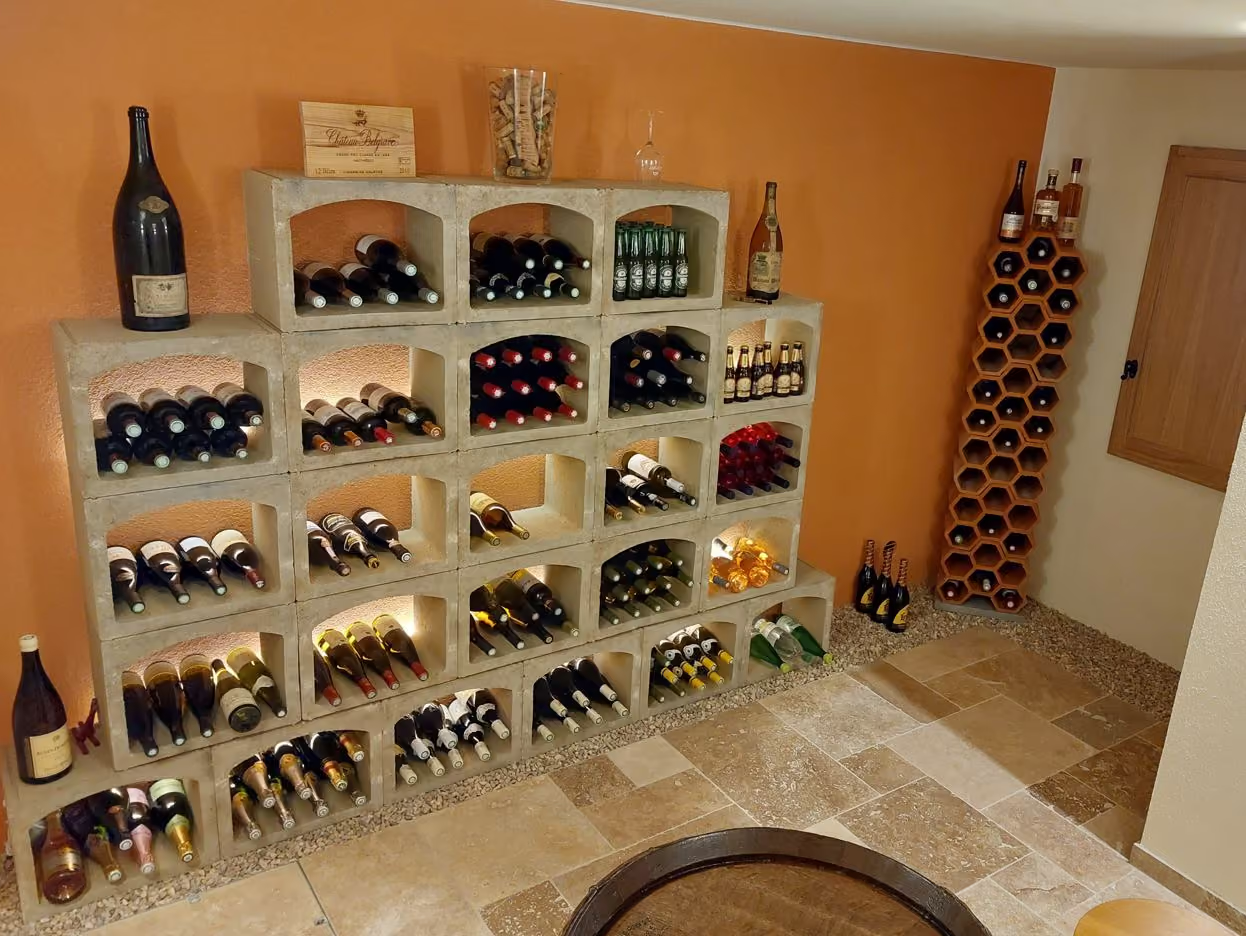
Once you’ve chosen your criteria, you need to make them visible in the cellar. Numbered racks, labels, or color codes can make all the difference.
Each zone should correspond to a clearly defined category. That way, you can quickly find a specific bottle without disturbing the others. By noting locations on a plan or in an app, you reduce mistakes. A good wine cellar organizer relies on a simple, repeatable structure.
Recording Every Bottle In and Out
Every new bottle deserves a record. The best approach is to keep an up-to-date log or use software. That way, you won’t lose track as your cellar grows.
For each wine, you can note:
The domaine and cuvée
The vintage
The purchase price
The date it entered the cellar
The estimated peak drinking window
The date it was consumed
Your impressions after tasting
This method supports complete, long-term bottle management. It also helps you refine your tastes over time.
Setting Aside Space for Wines to Drink Soon
Not every wine is meant to age. Some should be enjoyed young. It’s smart to reserve a corner of the cellar for these bottles.
This clearly marked area keeps mature bottles separate from age-worthy wines. That kind of personal cellar sorting ensures a coherent rotation. No bottle ends up forgotten at the back of a rack.
Adding a Specialized App for Optimal Management
Many mobile apps make it easy to manage your wine cellar. Some are free, while others offer more complete features through a subscription.
These tools often include:
Label scanning
A global database
A tasting history
Maturity alerts
A cellar map
By combining a physical layout with a digital tool, you save time and gain clarity. It strengthens smart, sustainable wine bottle management.
Adapting Your Organization as the Cellar Evolves
A cellar is never static. New purchases keep adding to the collection. That means you need to adjust the layout regularly.
Every 3 or 6 months, it’s a good idea to:
Check stock levels
Reassess peak drinking windows
Drink bottles that are ready
Free up space if needed
This follow-up prevents overcrowding and preserves the cellar’s balance. It’s also a good time to reorganize or rethink your criteria.
Planning Ahead for High-Consumption Periods
Year-end holidays, big dinner parties, and weddings all call for forward planning. It helps to identify in advance which wines you’ll serve.
You can then move certain bottles to a more accessible spot. That kind of anticipation saves time. It also helps you avoid opening a grand cru by mistake.
Securing the Cellar to Avoid Mistakes or Losses
If several people have access to the cellar, a clear storage code is essential. Using laminated labels or a notebook kept in plain sight in the room is a good place to start.
It’s also important to check storage conditions regularly. Temperature, humidity, and the absence of light and vibration are crucial.
Thinking About Passing On or Sharing the Cellar
A well-organized cellar makes exchanges between enthusiasts much easier. It also helps you pass on your bottles in the best possible conditions. A clear log or a shared app gives you a full overview.
That way, an heir or a friend can take over without getting lost. Precise organization ensures a smooth handover.
Setting Aside Space for Favorite Finds and New Discoveries
Finally, every wine lover enjoys discovering new bottles. It’s wise to leave a free zone for experiments. Those wines can then be folded into the overall structure or enjoyed quickly.
This dedicated area keeps the rest of the cellar from being disrupted. It makes the organization more fluid and adaptable. And it preserves the pleasure of collecting without sacrificing order.
If you enjoyed this article, don’t hesitate to read the next one, "How to set up maturity alerts in Oeni to avoid wines that are past their prime", which may also interest you!