Résumer cet article avec
Managing a wine cellar well takes more than space and good intentions. Several pitfalls to avoid can compromise the quality of your collection. The slightest lapse can dull aromas or speed up bottle deterioration.
Poor storage: an underestimated danger
The most common problem is still poor bottle storage. Many people underestimate the importance of temperature and humidity. A wine stored above 20 °C ages too quickly. Too low a temperature slows its development. The ideal sits around 12 °C, stable all year long. Humidity also plays a fundamental role. Too dry, it dries out the corks. Too damp, it encourages mold and makes labels unreadable. A level between 70% and 75% suits most cellars.
Poorly managed light: a destructive factor
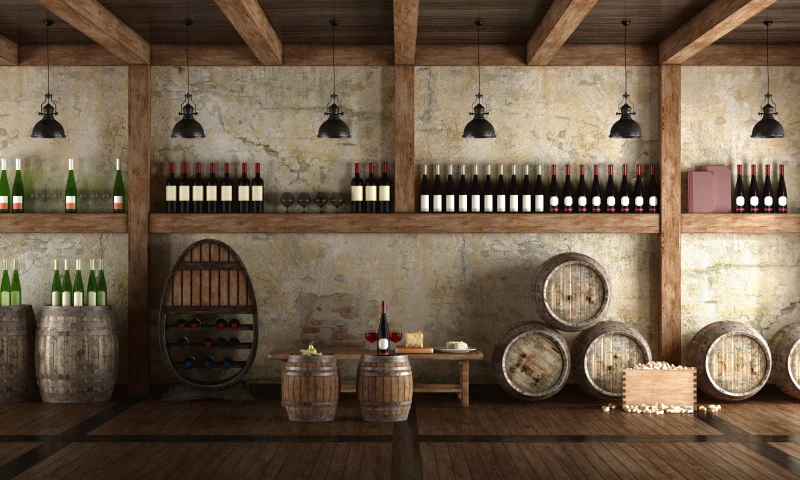
Light is another of the most common wine cellar mistakes. Wine hates direct exposure. UV rays speed up aging, alter color, and degrade aromas. A poorly protected or overly lit cellar quickly becomes harmful. Choosing darkness or soft light helps protect your bottles better. It’s also wise to avoid fluorescent lighting, which is too harsh for wine.
Vibrations: a silent enemy
Constant vibrations are an invisible danger. They prevent sediment from settling. That harms the wine’s clarity and stability. Movement also unsettles aromatic compounds. Some people place their cellar near a washing machine or in a busy hallway, and poor storage is almost guaranteed. Choose a secluded, stable location. Quality wine cabinets usually include an effective anti-vibration base.
Poor bottle positioning
Storing bottles upright is one of the most common pitfalls to avoid. A cork exposed to air dries out quickly. That lets oxygen in, which oxidizes the wine before its time. Wine should always stay in contact with the cork. Storing bottles on their side limits this risk. It’s also a good idea to keep labels facing up. That makes them easier to read and avoids handling the bottles unnecessarily.
Lack of organization: inefficient cellar management

Failing to organize your bottles according to their aging potential makes tracking difficult. Some wines are meant to be enjoyed young, while others need time. Poor storage sometimes comes down to forgetfulness or a lack of follow-up. Sorting bottles by vintage or appellation helps you plan openings more effectively. A well-structured cellar helps you avoid losses and unpleasant surprises.
Lack of ventilation: watch out for odors
A poorly ventilated cellar quickly becomes a real trap. Bad odors, stagnant humidity, and mold settle in fast. Wine, which is sensitive to its environment, can sometimes absorb those unwanted smells. Good ventilation prevents cardboard, plastic, or musty odors from seeping into the cork. Installing a suitable ventilation system is one of the pitfalls to avoid.
Storing unsuitable products
Keeping household products or food in the cellar is bad for wine. These products release volatile compounds. Those compounds can pass through the cork and contaminate the wine. This kind of poor storage often happens in cellars shared with other uses. It’s best to reserve the cellar for wine only. No fragrant products should be stored there.
Lack of follow-up: a classic mistake
Managing a cellar without an inventory leads to oversights. A wine meant to be drunk young can sit for years without being opened. A great wine forgotten in the cellar can pass its peak without anyone noticing. Keeping a notebook or using an app helps you avoid these wine cellar mistakes. Note purchase dates, drinking windows, and planned tastings.
Ignoring aging advice
Not every wine ages in the same way. Some powerful reds gain complexity over the years. Others fade quickly. Wines meant for aging should be chosen carefully. Ignoring advice from winemakers or sommeliers is one of the pitfalls to avoid. Learning about vintages and ideal conditions remains essential for every bottle.
A cellar that’s too full: a counterproductive choice
Accumulating too many bottles may seem impressive, but it makes management harder. An overfilled cellar becomes difficult to ventilate, organize, and inspect. It’s better to keep your selection focused. That improves wine storage and makes regular checks easier. Quality should come before quantity.
Neglecting how your tastes evolve
Over time, tastes change. What seemed like a great purchase ten years ago may no longer match what you want today. Stocking up on bottles you no longer enjoy is one of the most regrettable wine cellar mistakes. It’s important to review your stock regularly. Adapting your purchases to your current preferences lets you enjoy every bottle to the fullest.
Neglecting transport conditions
Finally, failing to protect wine from the moment you buy it can compromise its quality. A poorly protected car ride in the middle of summer is enough to damage a bottle. Transporting wine in cool, stable conditions helps limit thermal shock. It’s a crucial part of wine storage, even before the bottles reach the cellar.
If you enjoyed this article, don’t hesitate to read the next one, "Exploring Australian wines: unique grape varieties to discover", which might interest you too!