Résumer cet article avec
Wine has been crossing continents for centuries. Yet trade is shaped by powerful forces such as wine tariffs. These taxes directly affect costs and help define the balance of wine trade in the international market.
If you’re interested in wine industry articles, download our app on iOS or Android. It gives you access to our wine glossary, our articles, and our innovative solution, designed for every wine consumer and collector.
Wine tariffs, an economic lever
Wine tariffs are taxes applied to imports. They allow governments to protect local producers. These measures limit foreign competition and encourage the consumption of domestic wines. However, they often push up the price of wine for consumers. In some markets, a bottle nearly doubles in value once these taxes are applied.
States use these tariffs as a diplomatic tool. They become a source of leverage in trade negotiations. When conflict breaks out, a rise in taxes on wine trade becomes an economic weapon. The international market quickly feels the impact, because the industry depends on global exchange.
The direct impact on wine prices
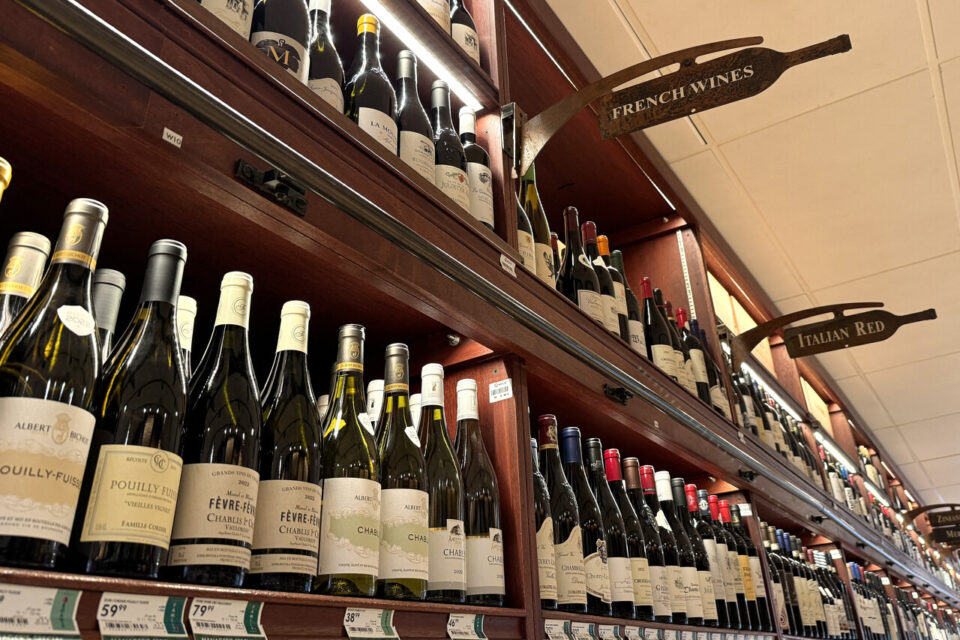
Every tariff affects the final price. For example, a French wine exported to the United States may see its price climb. The extra costs are passed on to distributors and then to customers. As a result, an enthusiast sometimes pays 30% more than in Europe.
This increase reduces the competitiveness of foreign producers. Some consumers then choose less expensive local wines. Yet connoisseurs are willing to pay more for prestigious wines. The effect on wine prices therefore depends on the market segment and buyer loyalty.
Wine trade facing tariff barriers
Customs duties slow the flow of wine trade. A Spanish producer faces more difficulty selling outside Europe. Their bottles run into high import costs in Asia or America. This limits international expansion despite the quality of their wines.
On the other hand, some countries negotiate bilateral agreements. These deals reduce or remove tariffs. They then support the growth of the international market and allow producers to reach new consumers. Exports benefit from strategic tax relief.
Trade routes and the international wine market
Historically, sea routes have supported wine trade. Today, this global network remains essential for transporting bottles. But tariffs imposed on arrival make trade less fluid.
In some emerging markets, taxes reach very high levels. India, for example, applies rates above 100%. Imported wine becomes out of reach for a large part of the population. These barriers reduce diversity on local shelves and strengthen the dominance of domestic producers.
Producers’ strategies in the face of taxes
Winegrowers develop solutions to limit the impact of tariffs. Some set up subsidiaries in importing countries. This strategy makes local bottling possible and reduces costs.
Others rely on regional trade agreements. The European Union, for example, negotiates advantages to protect wine trade. These efforts make access to the international market easier and reduce pressure on consumers.
Finally, some houses adapt their range by creating specific lines. They produce more affordable wines to offset rising prices. This adaptation helps preserve their presence abroad despite tariffs that can sometimes be discouraging.
Consequences for consumption

Tariffs change buying habits. In a country where the price of imported wine skyrockets, customers turn to local alternatives. This strengthens the development of domestic vineyards.
However, some enthusiasts are determined to seek out foreign wines. They accept paying more for the diversity and reputation of terroirs. Wine trade therefore splits into two markets: one centered on accessible local wines, the other on prestigious imported bottles.
The stakes for the international wine market
The international wine market depends on stable economic relations. Every diplomatic tension has repercussions on prices. Producers fear sudden tax hikes, which can disrupt their exports.
In the long run, the future depends on signing agreements that encourage trade. These deals reduce tariffs and support export growth. They also encourage greater choice for consumers around the world.
Outlook for the years ahead
Globalization is pushing governments to rethink their strategies. Lowering barriers boosts competitiveness and stimulates wine trade. Yet some countries keep their taxes high to protect domestic production.
Producers must therefore anticipate these constraints and adapt their business model. The balance between national protection and international openness will shape the future of the international wine market.
If you enjoyed this article, be sure to read the next one, "Tasting Israeli wines: between history and renewal", which may also interest you!