Résumer cet article avec
Transporting wine without damaging it isn’t something you can improvise. A simple temperature swing, a knock, or exposure to light can be enough to undo years of aging in just a few hours.
Whether you’re moving house with your cellar, coming back from vacation with a few bottles bought in the region, receiving an online order, or flying with a grand cru in the hold, each situation calls for a different approach.
In this guide, you’ll find all the essential rules for transporting wine safely, whatever your situation, budget, or distance.
If wine culture articles interest you, download our app on IOS or Android. It gives you access to our wine glossary, our articles, and our innovative solution, designed for every wine consumer and collector.
Understanding Wine’s Vulnerabilities
Wine reacts badly to temperature changes, vibrations, and light. These factors alter its evolution and damage its aromas. A red wine exposed to heat develops unpleasant cooked notes. An oxidized white loses its freshness and balance. Every transport plan needs to take these elements into account.
Some bottles are also more sensitive than others. Natural wines with little sulfur react quickly to shocks. Older vintages, meanwhile, don’t handle jolts well. That’s why it’s essential to adapt to what’s in your cellar for safe wine transport.
In short, here are the 4 risk factors to watch most closely:
The most vulnerable wines: natural wines (low sulfur), older vintages, white and rosé wines, bottles with old cork closures.
Choosing the Right Time to Transport Wine
Avoid heatwaves and intense cold. Spring and autumn are best, when temperatures stay stable. If a summer departure is unavoidable, choose nighttime transport or set off early in the morning.
Also plan ahead for long journeys. Wine that’s poorly transported for several hours can easily be damaged. You’ll need suitable travel wine storage solutions.
Preparing Your Bottles Before You Leave
Before you even choose your packaging, a few checks are essential.
1. Inspect the corks
Look to see whether the cork sits slightly above the neck of the bottle, a sign of heat expansion, or whether it’s pushed in too far, a sign of drying out. A damaged cork lets air in during transport and speeds up oxidation. If you have any doubt, don’t transport the bottle or drink it before you leave.
2. Assess the distance and duration
The length of the journey directly determines the level of protection you need:
Less than 2 hours: a reinforced cardboard box is enough
Between 2 and 8 hours: insulated packaging + thermal protection recommended
More than 8 hours: professional solution or specialized equipment essential
3. Choose the right moment
If you can choose the date, avoid June through September for long trips. Summer heat is wine’s biggest enemy in transit. If you can’t postpone, leave early in the morning or in the evening.
4. Prepare your materials in advance
Don’t start wrapping bottles 10 minutes before you leave. Plan for:
Suitable boxes (with dividers if possible)
Bubble wrap or foam
Padding or clothing to fill empty spaces
An insulated bag or ice packs if the outside temperature goes above 20°C
Using Specialized Packaging for Wine Transport
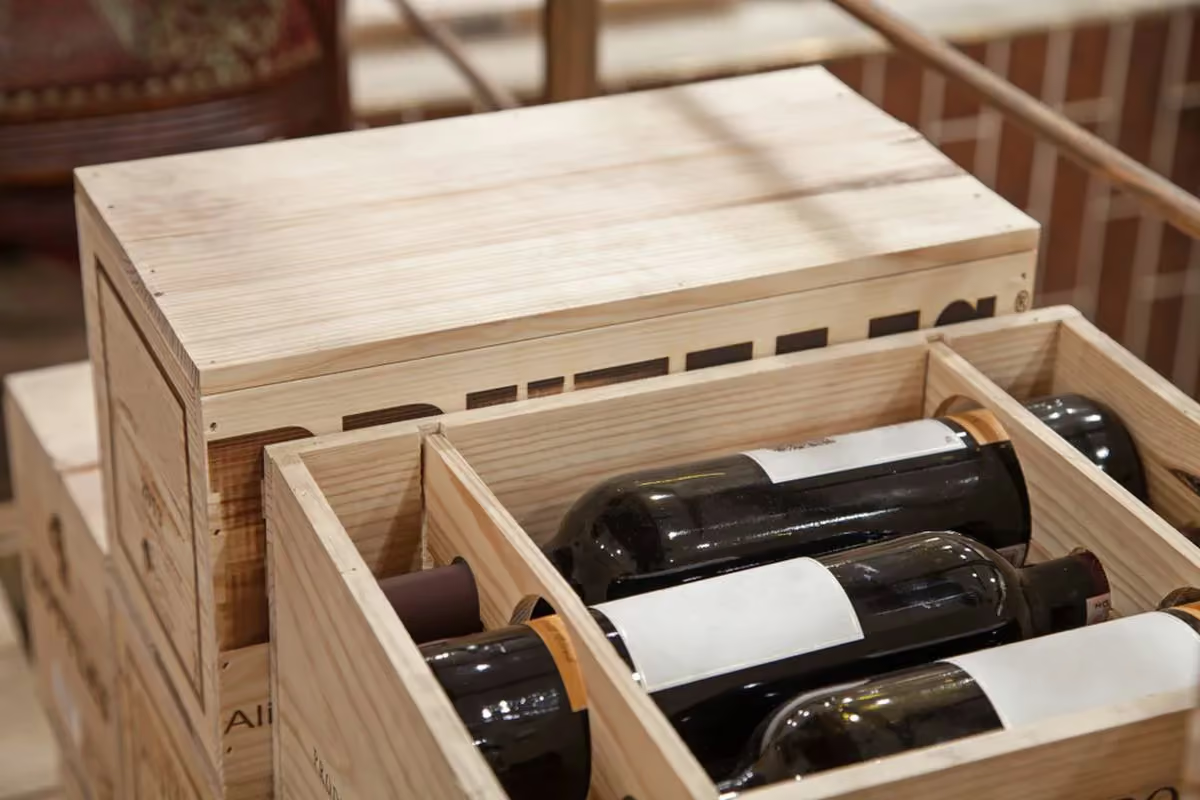
A simple cardboard box isn’t enough to protect wine. Choose cases designed for export or shipping. These packages include insulating foam, an individual compartment for each bottle, and sometimes even a shock-resistant lining.
Among the best options available, you’ll find insulated cases, molded polystyrene crates, or inflatable protective inserts. These solutions ensure safe wine transport even by plane or car.
The right choice depending on the number of bottles:
1 to 3 bottles: neoprene sleeve or insulated wine bag
4 to 12 bottles: dividers box + insulated bag
More than 12 bottles: dividers box + professional transport or rigid case
If you go the DIY route:
Wrap each bottle in at least 3 layers of bubble wrap, starting at the bottom (the most fragile part). Secure it with tape. Place the bottles vertically or horizontally in a rigid box, filling every empty space with clothing, towels, or foam. Don’t let any bottle “float” inside the box.
Positioning the Bottles Properly
Storage position matters. Bottles should stay on their side during transport. This keeps the cork moist, which prevents air from getting in. A dry cork lets oxygen through, which speeds up wine oxidation.
You also need to brace the bottles to limit movement. Use cushions, thick fabric, or foam spacers. With these wine bottle transport tips, you reduce the risk of breakage or agitation.
Controlling the Temperature
Heat is wine’s enemy. At 25 °C, the liquid starts to suffer. Excessive heat distorts aromas and causes premature aging. On the other hand, cold can trigger tartrate crystal formation.
Use electric coolers, ice packs, or insulated bags. Some professionals offer temperature-controlled transport services. For optimal travel wine preservation, these are still the most reliable solutions.
Choosing Personal Transport
If you’re carrying only a few bottles, your car is still the best option. You control the conditions and limit handling. Place the crates in the back, away from sun-exposed areas. Never put them in the trunk in hot weather.
Drive carefully to avoid jolts. Plan shade breaks if the journey lasts more than two hours. This safe wine transport method is perfect for short distances.
And What About Different Types of Transport?
There isn’t just one good way to transport wine: it all depends on the number of bottles, the distance, the mode of transport, and the value of the wines involved. Here are the specific rules for each situation.
Traveling with Wine by Car
This is the most common and easiest mode to control. A few rules to follow:
Bottle position:
Lying down (horizontal): the ideal position for cork-sealed wines, especially aged reds. The cork stays moist and the seal remains intact.
Upright (vertical): acceptable for short trips (less than 4 hours) and young wines or screw-cap bottles.
Placement in the vehicle:
Place bottles on the back seat or in the trunk, never on the rear shelf (direct sun exposure).
In summer, the trunk can reach 50°C: use a cooler or insulated bag.
Brace the boxes so they don’t move during the journey.
Driving:
Avoid sudden braking and rough roads.
On the highway, vibrations are more even and less dangerous than in the city.
Stop in the shade every 2 hours if the outside temperature is high.
Traveling with Wine by Plane
Transporting wine by plane is subject to strict rules. Here’s what you need to know before you go.
Current rules:
In the cabin: wine is treated as a liquid. It’s subject to the 100 ml limit per container (so a full bottle isn’t allowed in the cabin).
In the hold: allowed up to 5 liters per passenger for alcoholic drinks between 24° and 70° (wine, usually between 12° and 15°, falls into this category).
Customs declaration: required if you’re crossing a border outside the EU. Check the quotas for your destination country.
Packing for the hold:
Use a certified air-transport box (available from specialist wine shops or online).
Wrap each bottle individually: bubble wrap + airtight plastic bag (in case of leakage).
Leave at least 5 cm of space between the bottles and the sides of the box.
Seal the box with reinforced tape on every edge.
Mark the box as “Fragile” at check-in.
After arrival: wait at least 48 hours before opening a bottle transported by plane. Hold pressure and handling create significant agitation.
During a Move
Moving house is the riskiest situation for a wine cellar, especially because of the volume, repeated handling, and transport times.
With a professional mover:
Tell the mover before you sign the quote that you have wine in your cellar.
Ask explicitly for specific insurance covering the bottles (replacement value).
Use specialized dividers boxes (12 or 24 bottles), not standard boxes.
Label each box: “Fragile - Wine - Do Not Turn Over”.
Ask for the boxes to be loaded last and unloaded first.
For a DIY move:
Limit the number of bottles per box (12 maximum) to avoid boxes that are too heavy.
Fill every empty space with foam or clothing.
Transport your most valuable wines in your own vehicle, not in the truck.
Avoid moving your cellar in the middle of summer.
Receiving Wine Through Home Delivery
Whether you’re receiving an order or sending bottles as a gift, shipping by mail calls for specific precautions.
For receiving:
Choose a wine-specialized carrier (some domaines and wine merchants work with dedicated providers).
Opt for express delivery (48-72h maximum) to limit transit time.
Check the condition of the parcel before signing the delivery slip. If there’s visible damage, note it on the slip and refuse the parcel if necessary.
Let the bottles rest for 24 hours before tasting.
For shipping:
Use packaging certified for wine transport (double-wall box + dividers).
Insure the parcel for the full value of the bottles.
Avoid shipping during periods of extreme heat (June-August).
Calling on a Transport Professional
For international shipments or moves, it’s better to trust specialists with your wines. Some transport companies focus exclusively on wine. They have refrigerated trucks, certified packaging, and suitable insurance.
You can also call on sommelier-logisticians. They plan safe wine transport for entire collections, while respecting customs rules. This solution comes at a cost, but it protects your investment.
Storing Bottles After Transport

After a journey, let the bottles rest. Wine needs stability to regain its balance. Wait 24 to 48 hours before opening a bottle. This resting period helps limit the effects of “wine fatigue.”
If you’ve traveled a long way, check the corks and the wine’s appearance. A slight haze may appear without affecting quality. On the other hand, a cloudy wine or one that tastes cooked points to poor storage conditions.
Planning for the Unexpected
Despite every precaution, accidents can happen. Always leave yourself a safety margin: bring emergency materials, replacement corks, or a waterproof wine bag. Keep proof of purchase in case you need to make a claim with the carrier.
Finally, avoid transporting rare or valuable bottles if you don’t have the right equipment. It’s not always worth the risk.
Final Thoughts
Transporting wine takes care, the right equipment, and common sense. With these wine bottle transport tips, you can avoid the classic mistakes. Whether by car, plane, or a specialist provider, every detail matters.
Safe wine transport protects the quality of your bottles and your purchases. It also extends their life and adds value to your collection. By mastering these simple steps, you improve wine preservation on the move and enjoy your bottles in the best possible condition.
If you enjoyed this article, feel free to read the next one, "Wine Style Recognition Algorithms: Evolution or Marketing?", which might interest you too!