Résumer cet article avec
Understanding a wine sensory diagram enriches the experience and allows you to read sensations with precision. This visual tool helps both enthusiasts and experts structure their impressions, highlighting the wine’s aromas, texture, and balance.
If articles about the wine world interest you, download our app on iOS or Android. It gives you access to our wine glossary, our articles, and our innovative solution, designed for all wine consumers and collectors.
What Is a Sensory Diagram?
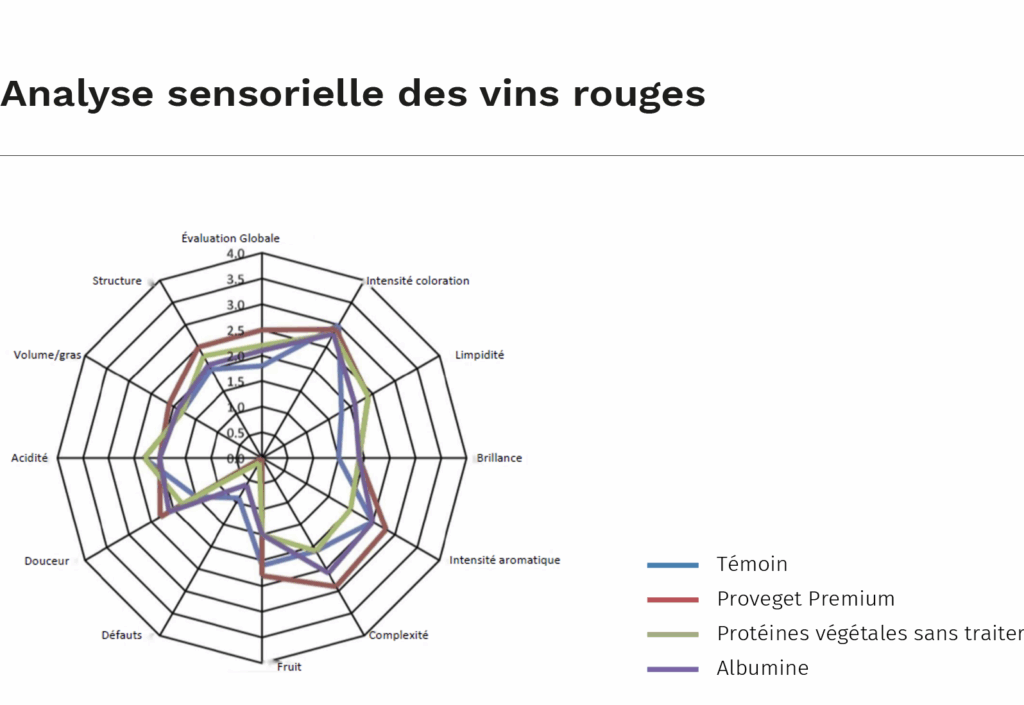
A sensory diagram is a graphic representation of the sensations perceived in a wine. It often takes the form of a wheel or a spider chart. Each axis or section corresponds to a sensory dimension such as acidity, fruitiness, or length. This tool offers a clear, quick view of a wine’s main characteristics.
The goal is simple: turn subjective perceptions into a readable image. That makes communication between tasters easier. At a glance, you can compare several wines or identify distinctive traits.
The Main Categories of Wine Aromas
A sensory diagram often highlights a wine’s aromas. They fall into three broad families: primary, secondary, and tertiary. Primary aromas come directly from the grape. They include floral, fruity, or vegetal notes. For example, a Sauvignon Blanc shows hints of citrus and boxwood.
Secondary aromas come from winemaking. Fermentation can release scents of yeast, toast, or butter. Finally, tertiary aromas develop with aging. You may then find leather, tobacco, or spice. The sensory diagram presents these changes in a structured way.
The Importance of Balance in Wine Analysis
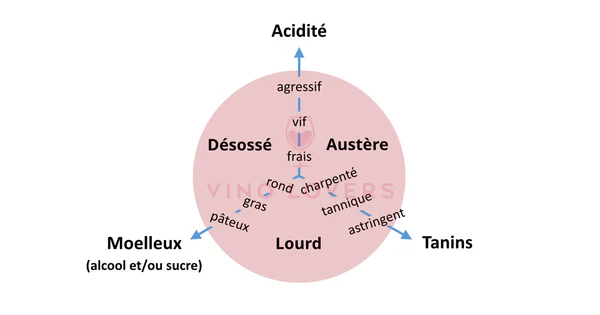
A sensory diagram isn’t limited to aromas. It also captures the wine’s overall balance. The analysis takes acidity, alcohol, tannins, and residual sugar into account. These elements define structure and harmony.
During a tasting, the taster places their impressions on a graduated scale. For example, bright acidity is marked close to the maximum value. This method avoids vague descriptions and makes comparison more objective.
How Do You Fill Out a Sensory Diagram?
To use a sensory diagram well, you need to work step by step. Start by observing the wine’s appearance. The color and brilliance already give clues about its age or style. Then smell the aromas carefully and note the ones that stand out most.
Move on to the palate. Analyze the acidity, sweetness, alcoholic power, and the texture of the tannins. Finally, assess the aromatic length. Each criterion has its place on the chart. Once filled in, the sensory diagram faithfully reflects the experience you’ve had.
Tasting and Sensory Memory
A successful tasting relies on sensory memory. The sensory diagram helps fix sensations in place and enrich that memory. Every wine you taste adds to an inner library of aromas and textures.
With this tool, enthusiasts can progress quickly in their analysis. You learn to recognize similarities and differences. Repetition sharpens your vocabulary and makes reading aromas more fluid.
Why a Sensory Diagram Is Useful for Comparing Wines
A sensory diagram proves especially valuable during a comparative tasting. It lets you line up several wines and visualize their differences. For example, an oaked Chardonnay will show notes of vanilla and hazelnut. Next to it, an unoaked Chardonnay will express fresher, more citrus-driven aromas.
By plotting the sensory profiles, you can immediately see the gaps. That makes it easier to teach during analysis workshops and tasting introductions. The tool becomes a shared language among participants.
Why It Matters for Enthusiasts and Professionals
For an enthusiast, the sensory diagram makes tasting clearer and more structured. It helps you avoid forgetting details and organize your notes. For a professional, it’s a tool for communication and training.
Wine schools use it widely to teach aroma reading. Sommeliers also use it to explain a wine simply to their customers. The tool adapts easily to different levels of analysis.
The Limits of the Sensory Diagram
The sensory diagram remains a guide, not an absolute truth. Every taster has a different sensitivity. Some aromas will be perceived more intensely by one person than by another.
You therefore need to stay flexible. The chart serves as a guide, but it shouldn’t box the experience in. Subjectivity is an integral part of tasting.
Tips for Improving with the Sensory Diagram
To master reading a sensory diagram, practice regularly. Take part in analysis workshops and compare your impressions with other tasters. Always use the same chart format to create reference points.
Write down your discoveries, even the ones that seem surprising. Rare aromas enrich your vocabulary and sharpen your palate. Over time, reading a sensory diagram will become second nature.
If you enjoyed this article, don’t hesitate to read the next one, "German sparkling wines (Sekt): an overlooked quality", which may also interest you!