Résumer cet article avec
Tasting a wine without a label can feel confusing at first. Yet it lets you focus entirely on the sensations. This experience puts your senses and your knowledge to the test. It also invites you to trust your palate rather than the brand image.
If you enjoy articles about the world of wine, download our app on iOS or Android. It gives you access to our wine glossary, our articles, and our innovative solution, designed for every wine consumer and collector.
Inspecting the Bottle: Your First Clue
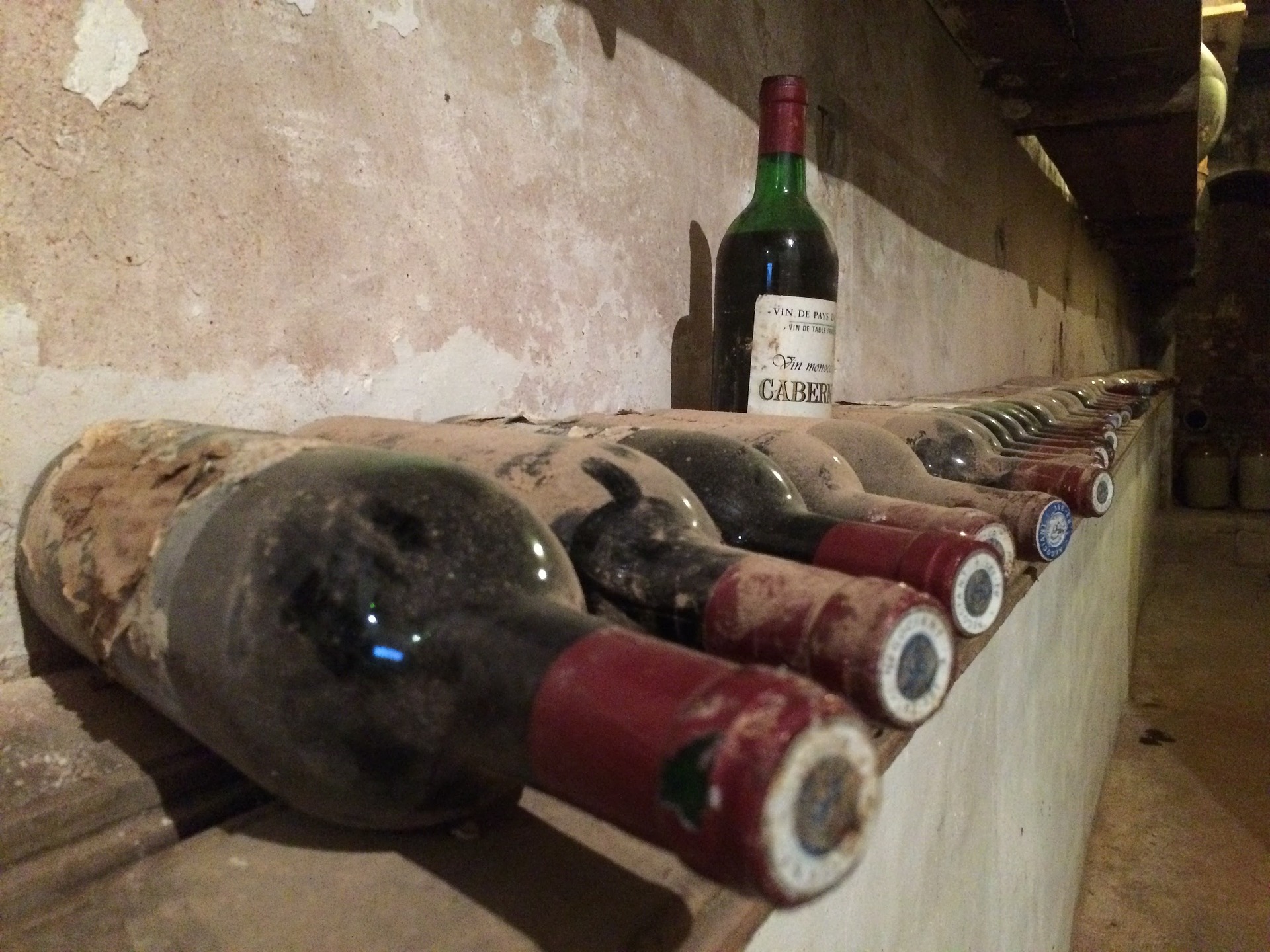
Before you pour the wine, start by examining the bottle. Its shape can sometimes hint at the region of origin. A Burgundy bottle often points to Pinot Noir or Chardonnay. A Bordeaux bottle usually suggests grapes such as Merlot or Cabernet. Then look at the fill level. Wine sitting too low in the neck may reveal poor storage. Finally, check the glass color. Dark bottles protect red wines. Clear bottles, often transparent, usually hold whites or rosés meant to be drunk young.
Smelling the Wine: The Key to Emotion
As soon as you pour the wine, the nose takes over. The first nose, before swirling, often reveals subtle aromas. Then give the glass a gentle swirl. The aromas open up. The bouquet then offers valuable clues. A red wine with black-fruit notes often points to a southern origin. Herbal touches sometimes recall the Loire. A white wine with floral notes may signal Muscat. If you smell cork or vinegar, be careful: the wine may be faulty. Blind tasting relies heavily on this olfactory exercise.
Examining the Wine’s Appearance
The color of the wine also offers essential information. A deep red with purple highlights often indicates a young wine. Brick tones signal evolution or age. For white wines, a pale yellow suggests a dry, lively wine. A golden hue may reveal a sweeter wine or one that’s more mature. Clarity also reflects quality. A cloudy wine or one loaded with sediment may have been poorly stored.
Tasting with Precision
The tasting moment is decisive. Take a first sip without swallowing right away. Let it move around your mouth to capture every texture. Start by assessing the attack. A lively wine often shows bright acidity. Then note the roundness, structure, and length on the palate. A well-balanced wine offers harmony between acidity, alcohol, and tannins. The longer the finish lingers, the more quality you’re likely to find. This analysis of an unidentified bottle comes down to listening to your sensations.
What Science Says About Blind Tasting
Assessing a wine without a label isn’t just a matter of palate: it’s also a precise scientific approach.
The 3 Aroma Families to Identify
A wine’s aromas fall into three categories, each revealing different information:
Primary aromas (grape variety): fruit, flowers, vegetal notes. They come directly from the grape and help identify the grape variety.
Secondary aromas (fermentation): yeast, butter, brioche. They result from alcoholic and malolactic fermentation.
Tertiary aromas (aging and maturation): vanilla, spices, leather, mushroom. They develop over time and through contact with oak.
Oxidation as an Age Marker
Oxygen is the main molecule responsible for wine aging. Red wines have natural defenses thanks to polyphenols (anthocyanins and tannins), which capture oxygen and slow oxidation. White wines, with fewer polyphenols, evolve more quickly. A golden white with a slightly oxidative character is often a wine with several years behind it.
The Chemistry of Color
A red wine’s hue evolves over time: anthocyanins (red pigments) gradually polymerize with tannins, shifting the color from violet toward brick tones. A red with purple highlights is therefore young; a red with orange or brick highlights is more evolved.
Length on the Palate: An Objective Measure
Aromatic persistence is measured in caudalies (1 caudalie = 1 second). Below 2 caudalies: a modest wine. Above 8 caudalies: a great wine. It’s one of the few objective quality markers you can measure without a label.
Judging the Quality of the Tannins
For a red wine, tannin quality matters enormously. Supple tannins point to a wine that’s ripe and well made. By contrast, drying tannins sometimes reveal a wine that’s too young or out of balance. Some southern wines have marked tannic power. Burgundy reds, on the other hand, offer silky, delicate tannins.
Identifying Typical Grape Varieties
Some grape varieties leave clear flavor signatures. A red wine with blackcurrant and pepper notes often suggests Syrah. A white with citrus and flinty aromas could be Sauvignon. A rich, buttery wine with a broad texture may point to Chardonnay. With practice, you can identify a wine without a label with relative accuracy.
Assessing Serving Temperature
A wine served at the wrong temperature reveals less of itself. A red that’s too warm can feel overly alcoholic. A white that’s too cold seems closed. For evaluation, make sure the wine is at the right temperature. Reds are best tasted between 15 and 18°C. Dry whites shine around 10 to 12°C. Proper service makes blind wine analysis far more accurate.
Taking Structured Notes
Write down your impressions throughout the tasting. Use clear categories: appearance, nose, palate, length. It helps you compare and classify. Some enthusiasts also use apps for wines they’ve tasted. These digital tools let you keep a record and identify a wine without a label later on. You’ll build a strong tasting memory this way.
Learning to Read Invisible Clues
Even without a label, certain details can guide your judgment. For example, the weight of the bottle. Heavy glass often hints at a higher-end wine. The shape of the cork also gives clues. A long, high-quality cork suggests a wine with aging potential. A short or synthetic cork points to a simpler wine meant to be enjoyed young.
Mistakes to Avoid
- Assessing a wine that’s too cold (white at 5°C) or too warm (red at 22°C): the aromas are muted or distorted
- Smelling the wine after using perfume or cream: outside aromas skew the analysis
- Relying only on color: a very concentrated Pinot Noir can look like a Syrah
- Neglecting the first nose: that’s often where flaws show most clearly
- Confusing length with intensity: a powerful wine on the palate isn’t necessarily long
Trusting Your Emotions
In the end, what matters most is the pleasure you feel. A wine may be unfamiliar and still create a powerful emotion. Even if you can’t identify it precisely, listen to your sensations. That personal connection to tasting matters more than anything else. With practice, you’ll improve your ability to assess a wine blind.
Taking Part in Blind Tastings
To improve, nothing beats practice. Join a wine club or organize tastings with friends. Cover the labels with aluminum foil. Compare your impressions with everyone else’s. You’ll see that olfactory memory develops very quickly. Analyzing unidentified bottles then becomes a stimulating and educational exercise.
Using the Right Tools
A good corkscrew, the right glass, and a tasting sheet make analysis easier. A tulip-shaped glass concentrates the aromas. A decanter can help open up certain young wines. Every detail matters if you want to optimize the experience. That way, even without visual cues, you can enjoy the wine to the fullest.
Learning to Trust Your Palate
The more you taste, the more you sharpen your ability to judge a wine without reference points. You learn to recognize a wine without a label without stress. Your senses take over from marketing cues. You develop a valuable independence of taste. Far from classic scoring systems, you explore a freer way of approaching wine.
Assessing a Wine Without a Label in 5 Key Criteria
FAQ
Can you really identify a wine without a label?
Yes, with practice. Blind tasting experts can identify the grape variety, region, and approximate vintage in 60 to 80% of cases. For an enthusiast, the realistic goal is to identify the color, the dominant aroma family, and the level of quality.
What are the first clues to look for on a bottle without a label?
The shape of the bottle (Burgundy, Bordeaux, Alsace), its weight (heavy = higher-end range), the color of the glass, and the length of the cork. These four elements already narrow the field significantly before you even open the bottle.
How do you tell a young red wine from an evolved red wine without a label?
By color: a young red shows purple or deep violet highlights, while an evolved red leans toward brick or tawny tones. By aroma: fresh fruit dominates in young wines, while tertiary aromas (leather, mushroom, truffle) appear with age.
What is a caudalie and why does it matter?
A caudalie is a unit used to measure aromatic persistence on the palate (1 caudalie = 1 second). Below 2 caudalies, the wine is modest. Above 8 caudalies, you’re looking at a great wine. It’s one of the few objective criteria you can measure without a label.
How can you detect a faulty wine without a label?
On the first nose (without swirling the glass): wet cardboard or cork smell = cork taint (TCA). Vinegar smell = excessive volatile acidity. Rotten egg smell = reduction. Nail polish smell = too much alcohol or SO₂.
Can you tell an oak-aged wine from a tank-aged wine without a label?
Yes. A wine aged in oak shows vanilla, coconut, sweet spice, and a rounder, richer texture. A wine aged in stainless steel keeps brighter fresh-fruit aromas and a livelier, more mineral texture.
Can Oeni help me identify a wine without a label?
Yes. After your sensory analysis, describe your observations in the app (color, aromas, structure, length). Oeni’s AI cross-references that data with its database of thousands of wine profiles to suggest the most likely matches.
How long does it take to learn how to assess a wine without a label?
With regular practice (2 to 3 tastings per month), progress becomes visible within 6 to 12 months. Olfactory memory develops quickly. Experts estimate that a trained person can recognize up to 10,000 different smells, compared with 400 for an untrained person.
If you enjoyed this article, don’t hesitate to read the next one, "The Story of the 75 cl Wine Bottle", which may also interest you!