Résumer cet article avec
Storing wine properly is essential if you want to preserve its quality and aromas. Poor cellar management can damage your bottles, even the most precious ones. Discover the common mistakes to avoid for optimal wine storage.
Not controlling storage temperature
Temperature plays a key role in preserving wine. Poor temperature control can damage your bottles.
Why does temperature matter?
Temperature swings speed up aging and dull the aromas. If it gets too warm, wine can cook.
What’s the ideal temperature for a wine cellar?
The ideal temperature sits between 12 °C and 14 °C. Avoid storing bottles in a heated room. A wine cellar helps maintain a constant, ideal temperature.
Forgetting humidity control
Improper humidity levels can affect corks and the quality of the wine.
The impact of too little humidity
Humidity that’s too low dries out corks, letting air in. That can oxidize the wine and ruin its flavor.
Maintaining balanced humidity
Use a hygrometer to monitor humidity. A modern wine cellar also makes it easy to regulate this setting effectively.
Exposing wine to direct light
Light, especially UV rays, is wine’s enemy. It alters flavors and speeds up deterioration.
Are clear bottles more vulnerable?
Yes, transparent bottles absorb more light. Store them in a dark or opaque place.
How can you protect your bottles?
Install your cellar in a room with no direct light. A wine cellar fitted with an anti-UV door is ideal for preventing this problem.
Storing bottles in the wrong position
The position of bottles affects wine storage, especially for cork closures.
Why should bottles be stored on their side?
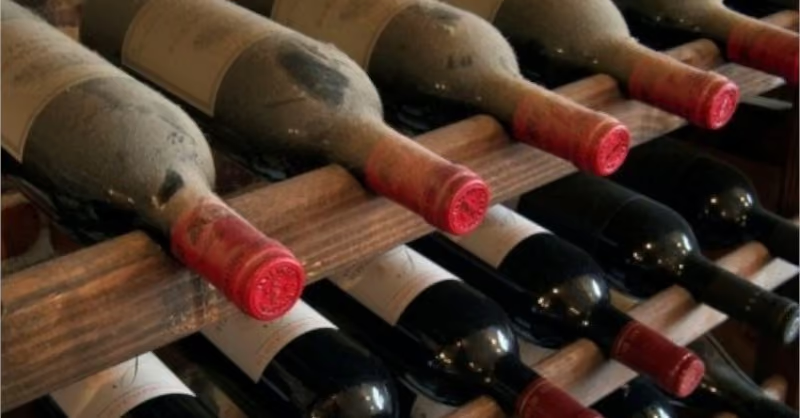
A horizontal position keeps the cork moist. A dry cork lets air in, oxidizing the wine.
What about synthetic corks?
Synthetic corks need less attention. You can store them upright without risking damage to the wine.
Not monitoring vibrations
Vibrations disrupt the wine aging process. They also disturb sediment and can dull flavors.
What are the sources of vibration?
Household appliances, transportation, or frequent movement can create harmful vibrations.
How can you avoid them?
Place your cellar away from machines or high-traffic areas. A wine cellar with an anti-vibration system is a smart investment.
Poorly managing an overfilled cellar
Effective wine cellar management relies on clear organization tailored to your collection.
The dangers of a disorganized cellar
A lack of organization makes it harder to access bottles and increases the risk of knocking some over or forgetting about them.
How should you organize your cellar?
Sort bottles by type, vintage, or region. Use labels to identify your wines easily. Modern wine cellars offer practical, modular shelving.
Neglecting bottle tracking
Careful tracking is essential if you want to enjoy your wines at their peak.
What tools should you use?
Use apps or a notebook to record important details such as the vintage and purchase date.
The importance of modern wine cellar management
An organized system helps you track how bottles evolve and prevents them from passing their ideal drinking window.
Storing all wines the same way
Not all wines have the same storage needs.
Red, white, and sparkling wines: what’s the difference?
White wines and sparkling wines need a slightly cooler temperature than red wines.
Adapting your cellar to your needs
Choose a wine cellar with multiple compartments so you can adjust conditions based on the type of wine.
Forgetting to maintain the cellar
A neglected cellar can harm your bottles over the long term.
The risks of a poorly maintained cellar
Dusty shelves or poorly controlled humidity can affect your wines.
How should you maintain your cellar?
Clean the shelves regularly and keep an eye on temperature and humidity levels. A wine cellar makes maintenance much easier.
Ignoring expert advice
Failing to learn from sommeliers or specialists can lead to avoidable mistakes.
Why consult experts?
Experts know the specific needs of different bottles and can help you optimize their storage.
Where can you find reliable information?
Read specialist books or take part in workshops on wine cellar management and wine storage.
If you enjoyed this article, don't hesitate to read the next one, "The Different Types of Grape Varieties in France", which might interest you too!