Résumer cet article avec
Do you really know your wine cellar? Do you know how many bottles you own, what you open most often, or what you leave aging for too long? Thanks to digital tools, it’s now easy to get a complete consumption analysis. These insights reveal far more than you might think.
If articles about the world of wine interest you, download our app on IOS or Android. It gives you access to our wine glossary, our articles, and our innovative solution, designed for every wine consumer and collector.
Why track your cellar statistics?
Managing a cellar isn’t just about storing bottles. It’s also about tasting, buying, forgetting, and sometimes even discarding. Analyzing your data helps you avoid mistakes. You can spot what you drink often and what tends to sit untouched. You track how your preferences evolve and adjust your purchases accordingly.
Cellar management supported by statistics gives you a clear picture. You make better decisions, save money, and get real pleasure from every bottle opened at exactly the right time.
What can a good consumption analysis reveal?
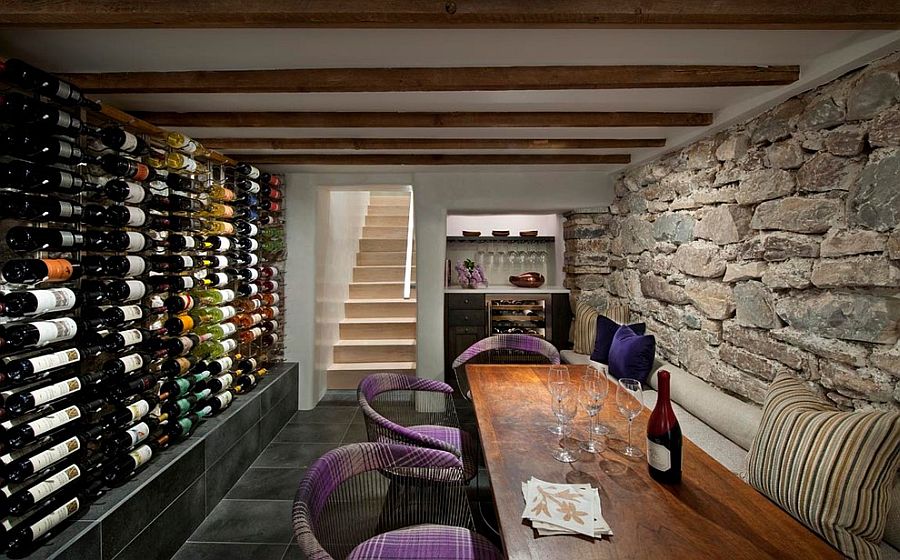
A digital tool records what comes in, what goes out, and what you taste. It can then generate highly useful wine statistics. Here are a few key data points:
- The most common wine styles in your cellar: red, white, rosé, sparkling.
- The breakdown by region or country.
- The oldest or youngest vintages.
- The opening rate by month, season, or occasion.
- The average aging potential by bottle.
- The most frequent grape varieties.
These indicators reflect your tastes, your buying habits, and how you manage your stock.
What your preferences reveal
Do you love powerful Bordeaux or delicate Burgundies? Do you mostly drink young wines, or do you prefer to wait for long aging? Your wine statistics paint a picture of your wine profile.
A collector of age-worthy reds stands out through a large stock, few bottles leaving the cellar, and extended aging. A drinker who favors easy-going wines, on the other hand, shows quick turnover, frequent purchases, and little long-term storage.
Thanks to this consumption analysis, you understand what brings you pleasure. You can then explore new styles while keeping your purchases coherent.
Avoiding forgotten bottles and losses
How many bottles have you opened too late? How many cuvées have you forgotten at the back of a shelf? Good cellar management helps you track the ideal drinking windows. It alerts you when a bottle is approaching its peak.
Wine statistics also help you identify underconsumed cuvées. You discover the forgotten corners of your cellar. You balance your stock between age-worthy wines, ready-to-drink bottles, and recent purchases.
Tracking how your tastes evolve
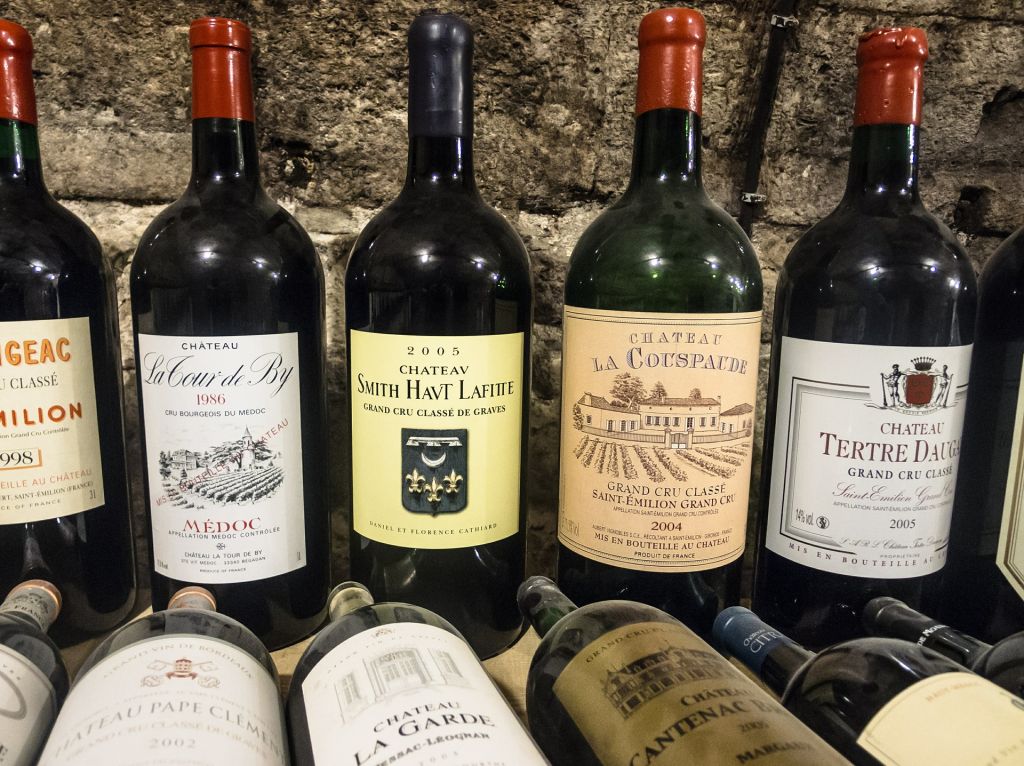
Our preferences change over time. With consumption analysis, you can follow the evolution of your choices. Maybe you drank a lot of dry whites three years ago. Today, your cellar is filling up with Italian reds. These shifts become visible.
This kind of observation helps you anticipate what you’ll want next. You avoid piling up bottles that no longer suit you. You stay in tune with your palate and your tasting style.
Optimizing your purchases with data
With digital cellar management, you buy more intelligently. You identify the wine styles you go through quickly. You avoid buying a tenth bottle of a style that’s already overrepresented.
Wine statistics help you manage your budget. You can see your price ranges at a glance. You identify the domaines that come up again and again. You invest in what you truly love, without giving in to trends or impulse buys.
Planning ahead for big occasions
Good cellar tracking also helps you plan for life’s important moments. Want to open an old bottle for a birthday? With consumption analysis, you can quickly spot the right bottles.
You can also create categories: everyday wines, special-occasion bottles, tastings with friends. This kind of organization makes your cellar management smoother and more strategic. You match each opening to the event.
Comparing your habits with other enthusiasts
Some apps let you compare your wine statistics with those of other users. You may discover that you drink more white wine than average. Or that your aging potential is longer than everyone else’s.
These comparisons aren’t meant to judge. They offer a fresh perspective on your choices. They inspire new discoveries. They feed your curiosity and deepen your wine culture.
Automating reminders and alerts
Good cellar management also relies on anticipation. Modern tools send you reminders when a bottle is nearing its peak. They alert you if stock is running low. They suggest pairings based on the season or upcoming meals.
You no longer need to keep everything in your head. You gain comfort and precision. This automated consumption analysis becomes a real everyday support. It frees up time for what matters most: the pleasure of wine.
Building a cellar that reflects you
By tracking your wine statistics, you shape a cellar that feels like you. You clear out dead zones. You invest in what you love. You follow your cravings, your evolution, your discoveries.
Your cellar becomes alive, dynamic, expressive. It reflects your personality, your habits, your story. Thanks to cellar management, you give meaning to every bottle. You create a coherent, richly layered tasting heritage.
If you enjoyed this article, don't hesitate to read the next one, "Wine in French culture: a symbol of the art of living and sharing", which might also interest you!