Food and wine pairings.
The complete guide
(and the app that simplifies everything)

4.7/5
Pairings by wine type
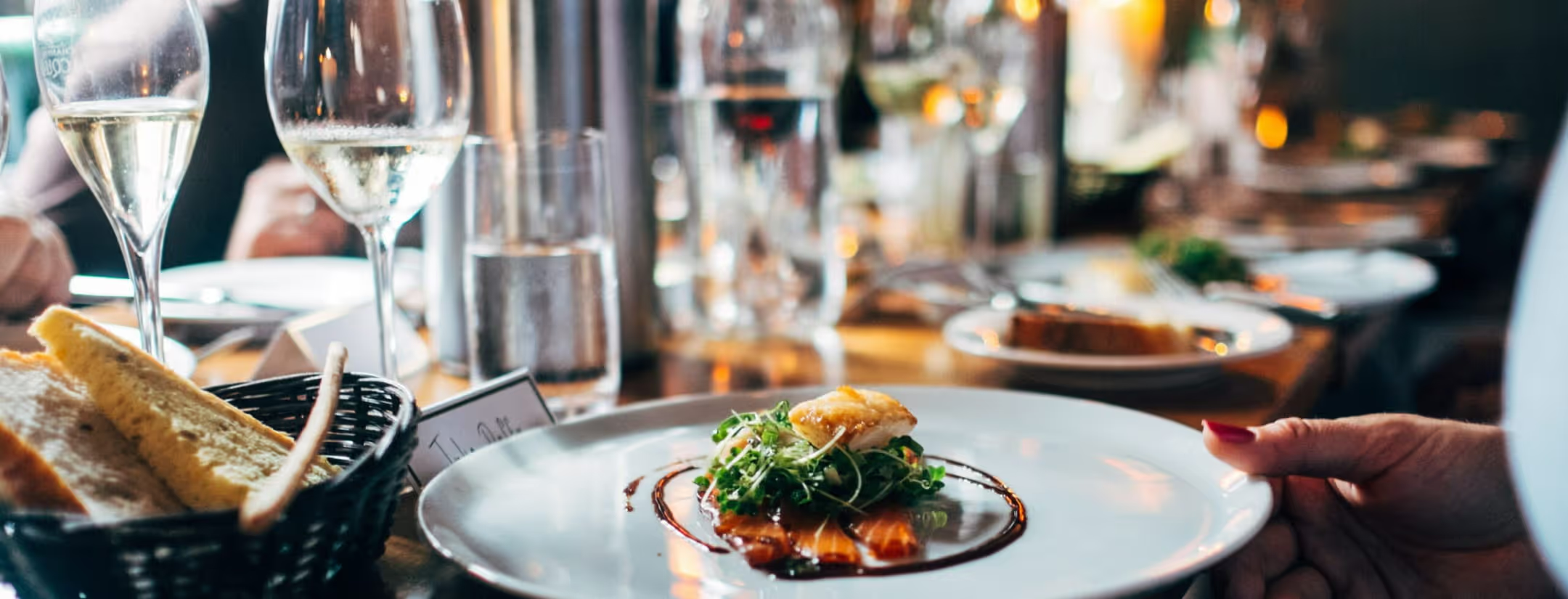
Knowing how to pair a dish and a bottle is the secret to the best moments. Whether for a family meal, an evening with friends, or simply for the pleasure of enjoying one of your bottles, the pairing of food and wine is an art. The goal is simple: to create harmony between the flavors of the dish and the character of the wine: intensity, aromas, acidity, tannins, texture.
Sometimes complex rules, advice from wine merchants or sommeliers... For many years, these were the only solutions. But today, there are mobile applications like Oeni that help you match the wines in your cellar with your dish.


Find the perfect food and wine pairing in 3 clicks
You don't want to spend hours wondering "what wine goes with this dish?". With Oeni, you have a sommelier in your pocket, right from your smartphone.
The app combines a rich database of food and wine pairings with an analysis of your cellar to suggest only relevant bottles, especially those you already have in your collection.

Choose
your dish
In your quest for the perfect pairing, think of the keywords "basic principles of food and wine pairings" as a compass guiding you towards the ideal balance. A methodical approach will help you understand why some pairings are more harmonious than others and how to create your own successful combinations.

Automatic analysis
of your cellar
Oeni automatically analyzes the contents of your cellar: colors, styles, vintages, aging potential, and value.

Recommendations
personalized
The app suggests the most suitable bottles, with a recommendation level and simple explanations: why a particular wine works with this dish, if the bottle is at its peak, whether it's better to keep it longer or open it now.
What is a
good food and wine pairing?
It's primarily about balance: neither the dish nor the wine should overpower the other. The wine supports the dish, enhancing its flavors, adding freshness, complexity, or richness.
The challenge is to achieve these pairings without having to memorize all possible combinations. We often distinguish several main categories of pairings:
Pairings
of complement
The wine "follows" the dish, for example, a delicate dish with a light wine, a rich dish with a more structured wine.
Pairings
of contrast
We play on contrast, for example, a rich dish balanced by a very fresh and lively wine.
Pairings
Regional
“what grows together goes well together,” such as a regional cheese with a wine from the same region.
Color Pairings
More intuitive but sometimes misleading: white wine with fish, red wine with meat, etc.
Key Principles of Food and Wine Pairing
.avif)
Pairing the intensity of the dish and wine
The first and simplest rule is to match the 'power' of the wine to that of the dish. A light dish (steamed fish, salad, grilled poultry) calls for lighter, low-tannin wines with a delicate structure. Conversely, a very rich or flavorful dish (red meat in sauce, game, stews) can handle, and even demands, more full-bodied wines with greater substance and complexity.
If the dish is too powerful for the wine, the wine will seem bland and watery. If the wine is too powerful for the dish, it will completely overpower the flavors of the food.
.avif)
Acidity, Fat, Sweetness, Tannins
Great taste balances are built on a few key associations:
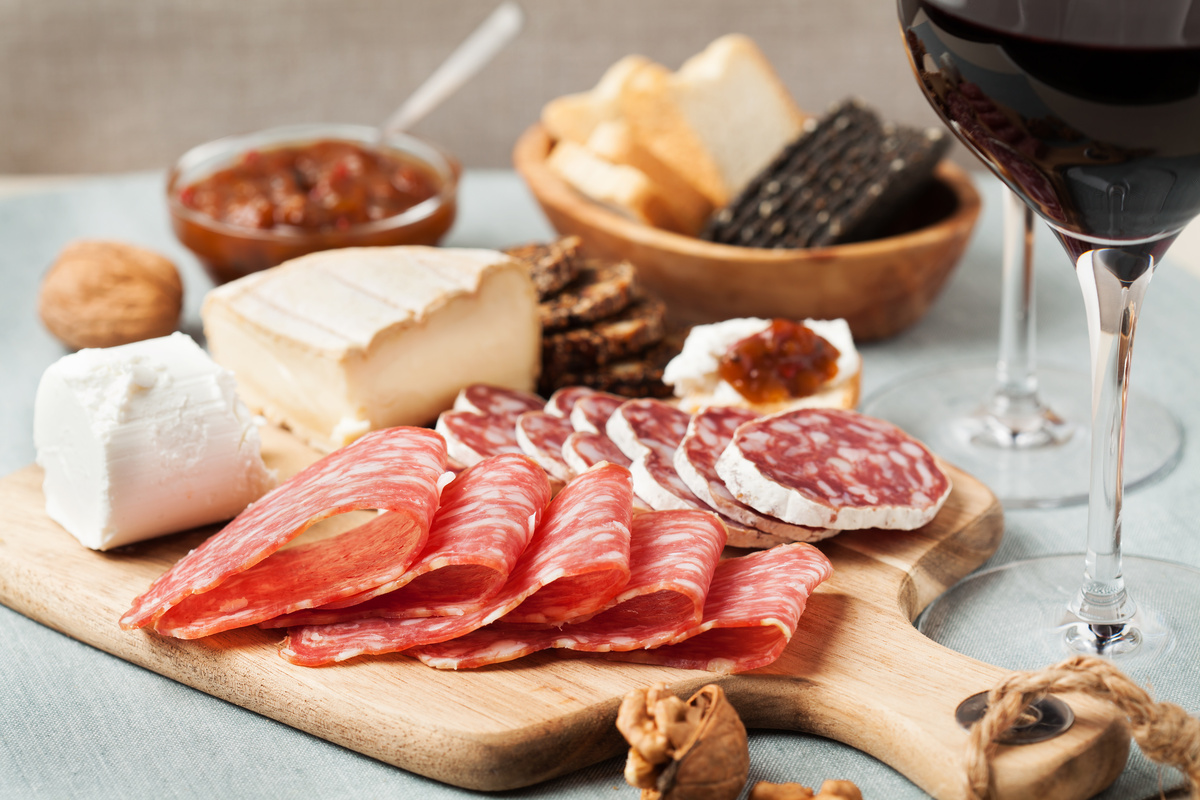
Fat and Acidity: A rich dish (creamy cheese, cream sauce, saucy dish) is best balanced with a wine that has good acidity, which 'cuts through' the fat and refreshes the palate. To name a few, consider Riesling or Sauvignon Blanc.
Sweetness and Freshness: For desserts or sweet dishes, wines with good acidity are often preferred to avoid heaviness, or slightly sweet wines that are lively enough to remain palatable. Examples include late-harvest Gewurztraminer or Sauternes.
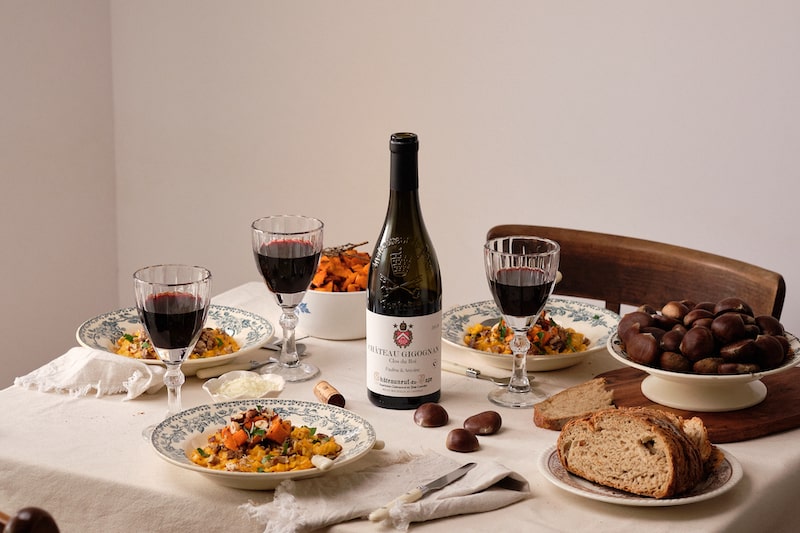
Tannins and Proteins: The tannins in red wines pair exceptionally well with the proteins in red meats or meat dishes, softening the perception of astringency and making the wine feel more velvety. This is true for Cabernet Sauvignon or Nebbiolo, for example.
These combinations aren't intuitive for everyone. That's where an assistant like Oeni comes in handy, considering the wine's style (freshness, tannin level, sweetness) and the type of dish to suggest only coherent pairings.

Temperature, Serving Order, Number of Wines
But these aren't the only rules to know! Food and wine pairing isn't just about choosing the right bottle, but also about how you serve it.
Temperature: A wine that's too warm can taste alcoholic and heavy, while one that's too cold loses its aromatic qualities and expression. Serving at the right temperature allows the pairing to truly shine.
Serving Order: White wines are generally served before reds, young wines before more mature ones, and dry wines before sweet or dessert wines. This prevents the palate from becoming overwhelmed too early.
Number of Wines: Serving many different wines might seem festive but quickly tires the palate. It's better to focus on a common thread with one or two carefully selected wines that complement the menu.
Practical food and wine pairing with Oeni

Explore our latest articles on food and wine pairings


04.04.2025
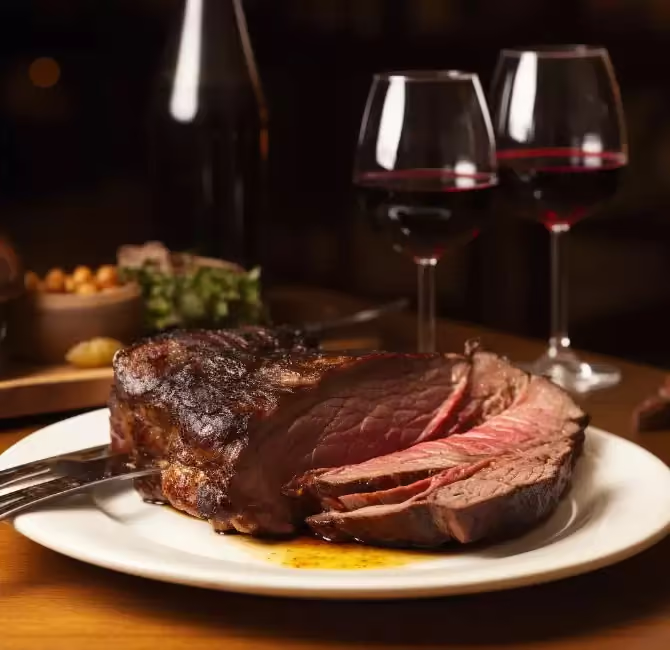
Which wine with aged beef? The best pairings to elevate an exceptional cut of beef
02.04.2025
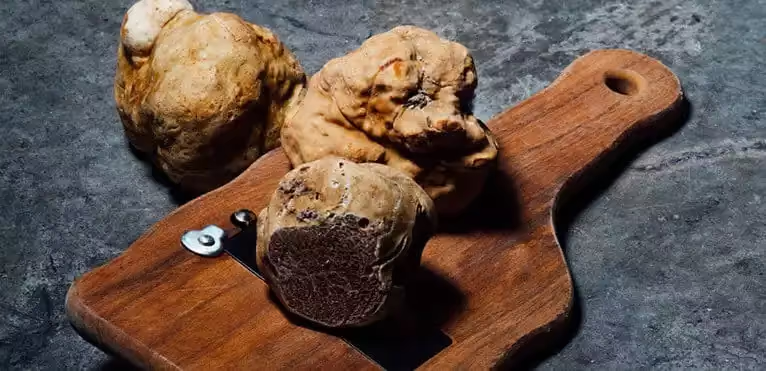
Wine and Wagyu: The Art of Pairing Wine with the World’s Most Luxurious Beef
25.03.2025
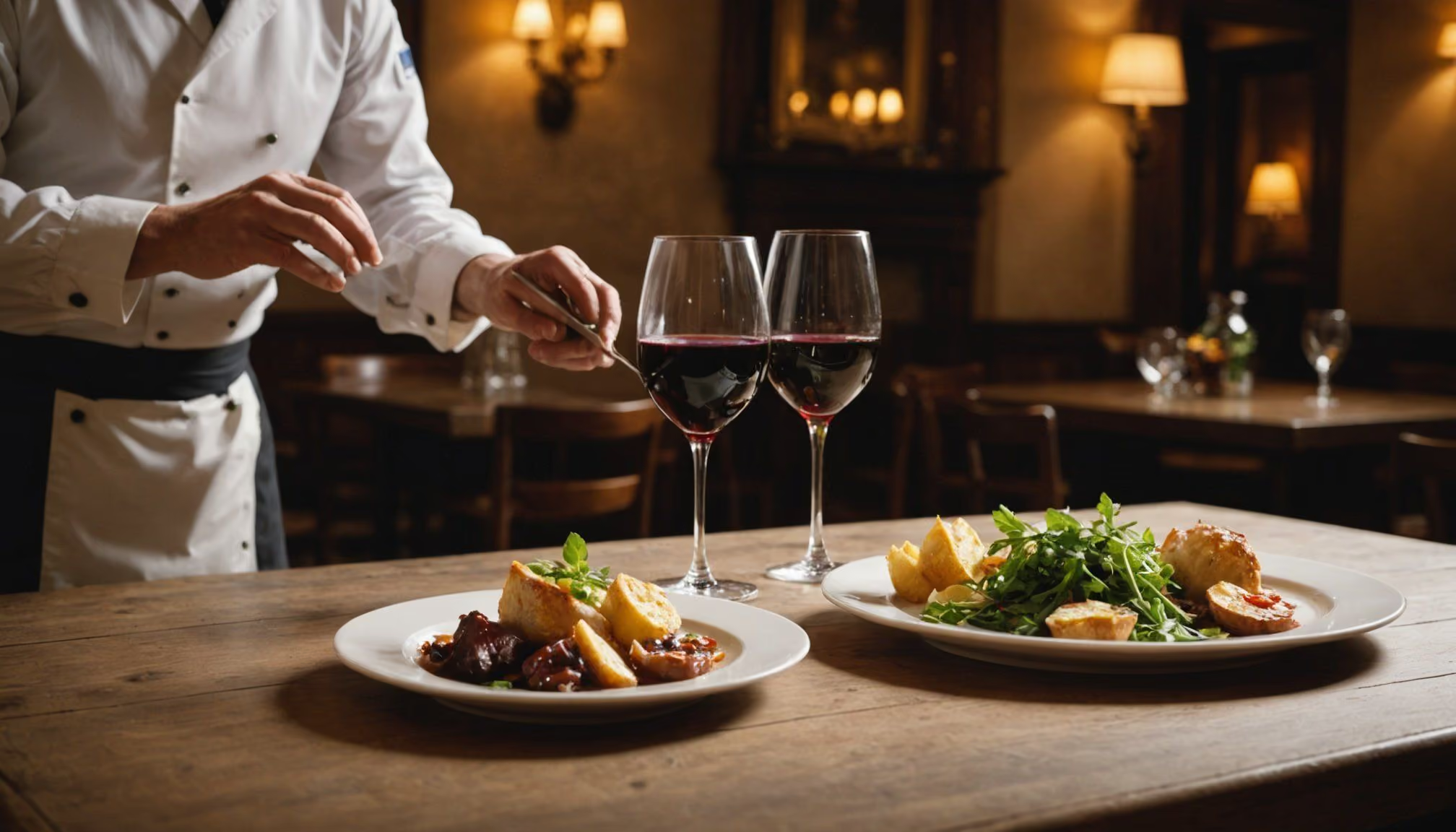
Wine and Michelin-Starred Cuisine: How Do Sommeliers Choose the Perfect Pairings?

Master the art
food & wine pairings
And if you'd like to delve deeper, understand the rules and exceptions, or find inspiration for your next meals, explore our blog articles dedicated to food and wine pairings.