Résumer cet article avec
Once codified and sometimes frozen in place, food and wine pairings are now undergoing a real revolution. Contemporary chefs are daring to create unexpected matches. They’re shaking up tradition to make the palate sing in new ways.
If articles about the world of wine interest you, download our app on iOS or Android. It will give you access to our wine glossary, our articles, and our innovative solution, designed for every wine consumer and collector.
The Age of Rigid Rules Is Over
For a long time, pairing followed simple rules: red wine with meat, white wine with fish. These guidelines were reassuring, but they also limited what was possible. Today, chefs and wine no longer follow those rules to the letter.
They’re looking for emotion, contrast, and surprise. They prefer to listen to texture, richness, acidity, or bitterness in the dish. That gives rise to creative pairings that elevate both the food and the wine.
Pairings Designed Like Musical Compositions
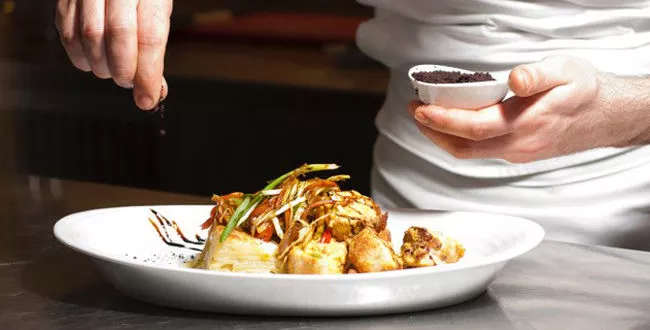
Some chefs now think of pairing as a dialogue between two elements. The wine no longer simply accompanies the dish; it resonates with it. Together, they create a coherent, harmonious sensory score.
New gastronomy now sees wine as a full ingredient in its own right. It doesn’t come after the dish, but during its conception. That approach changes the creative dynamic.
Bringing Wine into Cooking or Seasoning
Some chefs and wines go even further. They don’t wait until tasting to bring the two together. They cook with wine, folding it into sauces, reductions, marinades, or even jellies.
Wine becomes a flavor carrier, a structural element. That then makes choosing the wine at the table easier, since the dish already contains its aromas. These creative pairings favor continuity over opposition.
Exploring Forgotten or Marginal Wines
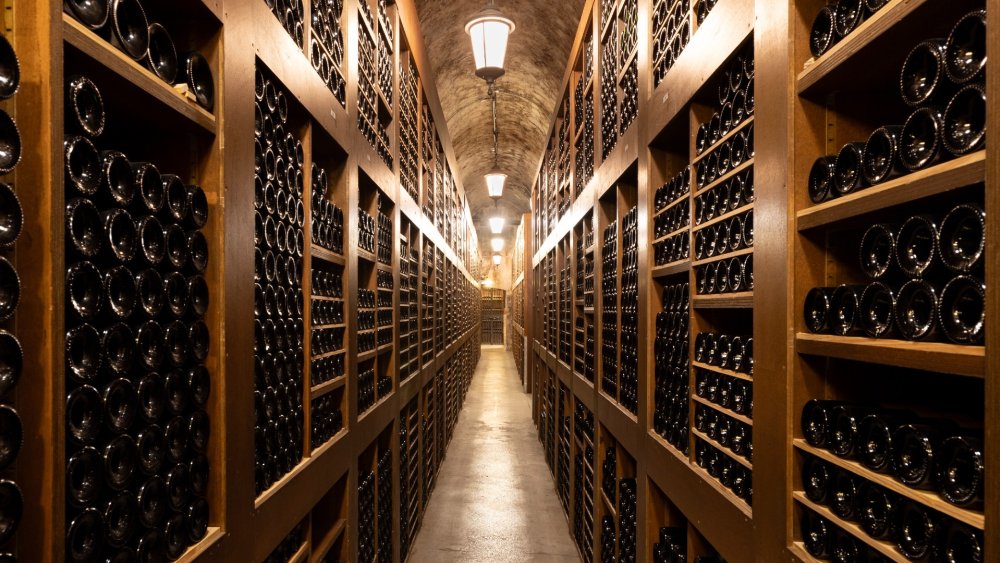
New gastronomy loves to step off the beaten path. It celebrates forgotten grape varieties, natural wines, and micro-vinifications. These unusual cuvées offer unexpected profiles, sometimes difficult to pair, but full of potential.
Chefs and wine lovers then experiment with plant-based dishes, fermented textures, or acidic sauces. They create new tasting experiences, sometimes radical, always bold.
Pairing by Texture More Than by Color
Today, wine is paired with food according to texture. A tannic wine can work beautifully with oily fish. A broad, generous white can stand up to roasted white meat.
These creative pairings come from a more nuanced approach. You look for balance between sensations on the palate. Wine color is no longer the main criterion, which opens up the field of possibilities considerably.
Bringing Vegetables into Fine Dining
As vegetarian dishes continue to rise in prominence, chefs and wine lovers have to rethink their pairings. Vegetables bring different constraints: less fat, more bitterness, or more natural sweetness.
Dry, saline, floral, or lightly oxidative wines often work beautifully. New gastronomy then explores pairings with flor-aged wines, skin-contact wines, or white wines aged for a long time.
Daring to Embrace Deliberate Mismatches
Sometimes, chefs deliberately play with contrast. They create a slight gustatory shock to reignite the tasting experience. The goal isn’t always harmony, but intensity.
A sweet-and-savory dish may meet an acidic wine. Grilled meat may be paired with a sharp white. These creative pairings break habits, unsettle expectations, but leave a lasting impression.
Working Hand in Hand with Sommeliers
In top restaurants, the sommelier no longer arrives at the end. They take part in the creation. They taste dishes as they’re being refined. They suggest cuvées that connect directly with the flavors being developed.
This dialogue between chefs and wine ensures the pairings are spot on. It also helps showcase producers and introduce guests to new discoveries. New gastronomy becomes a collaborative art.
Pairing Through Emotion or Memory
Some pairings aren’t about sensory balance at all, but emotion. A wine you drank during a meaningful memory, matched with a childhood dish, can create a powerful moment. The pairing then becomes personal, intimate, and unforgettable.
Chefs and wine sometimes use that emotional thread to reach the diner. They tell a story, a region, a journey. The pairing becomes narrative. It stirs more than the palate.
Food and Wine Pairing as an Immersive Experience
Today, some restaurants design entire menus around a single wine. Others offer sequences where the wine and dishes change together, in mirror image. That approach turns the meal into a true experience.
These creative pairings blend cuisine, wine, decor, light, and rhythm. The diner no longer just eats; they live something. New gastronomy then becomes a complete art form.
Deepening Your Knowledge to Experiment at Home
Private wine lovers can claim that freedom too. All it takes is listening to your own tastes, daring to experiment, and taking notes. No pairing is off-limits. Every one of them can be tried.
You can play with lesser-known wines, try plant-based combinations, or build a menu around a wine region. Chefs and wine show us the way, but everyone can invent their own matches.
If you enjoyed this article, don’t hesitate to read the next one, "Essential Wine Glossary: 20 Terms You Absolutely Need to Know", which might interest you too!