Résumer cet article avec
Cassoulet is more than just a dish; it's an institution in French gastronomy, and an emblem of the southwest region.
With roots deeply anchored in the culinary traditions of Toulouse, Castelnaudary, and Carcassonne, this rustic, generous stew stands for comfort and conviviality.
Origins and History
Cassoulet's origins go back several centuries and are wrapped in legend. One of the most famous stories says it was first prepared during the siege of Castelnaudary by English troops in the Hundred Years' War. The townspeople gathered the remaining provisions — mainly beans and meat — and created a hearty stew to feed and revive the city's defenders.
Over the centuries, cassoulet has become more refined and varied, reflecting regional differences. Today, there are mainly three versions: cassoulet from Castelnaudary, considered the most traditional; the Toulouse version, richer in meats; and the Carcassonne version, which often includes lamb.
Composition of the Dish
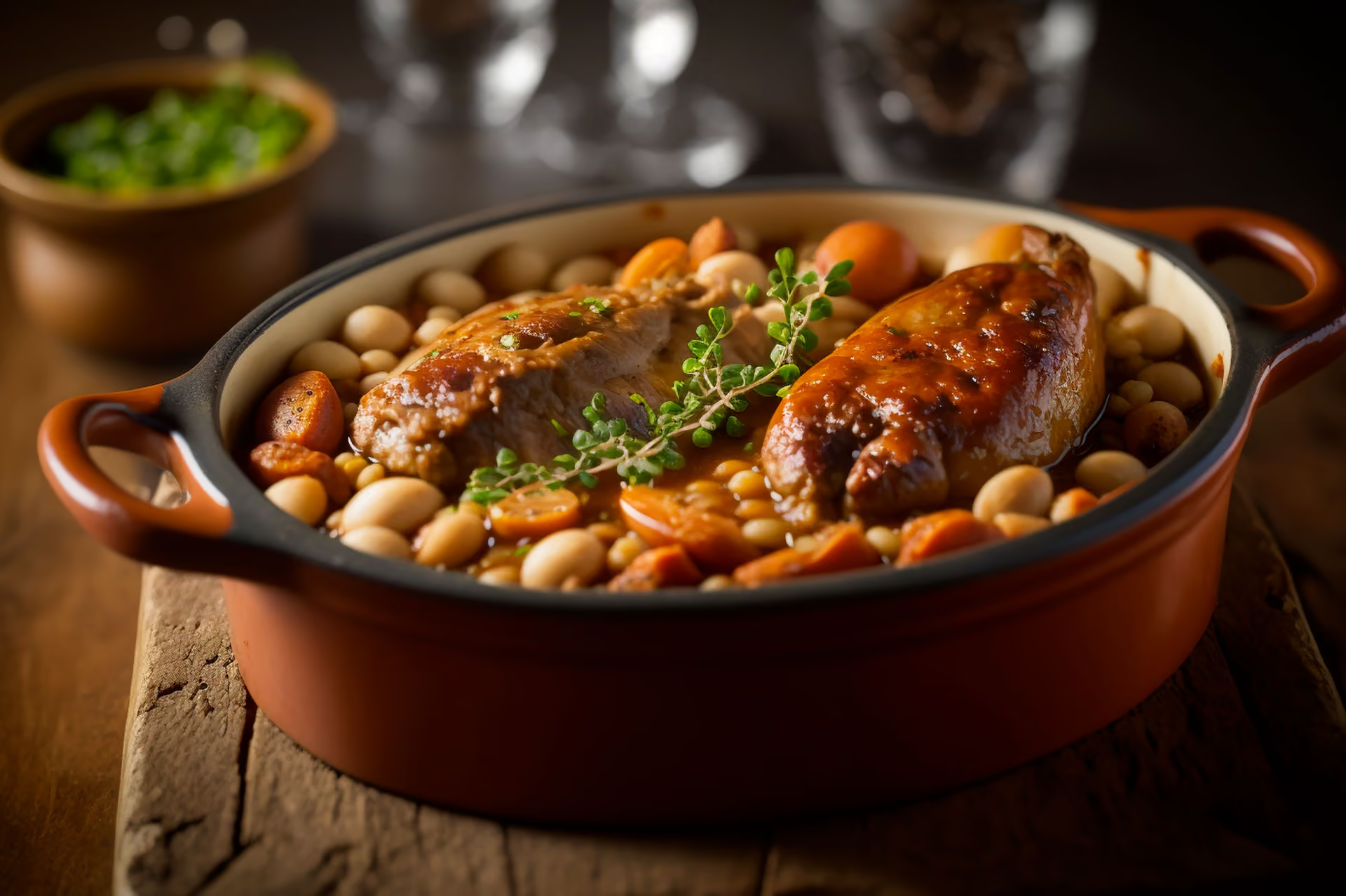
Cassoulet is a harmonious combination of white beans simmered for a long time, Toulouse sausage, duck confit, and sometimes pieces of pork or lamb. Each ingredient is carefully chosen to contribute to the dish's overall richness. The beans form the foundation, soaking up the aromas of the meats while bringing a creamy texture. The meats, especially the confit, add incomparable depth of flavor.
Preparation and Cooking
Preparing cassoulet is an art that calls for patience and precision. The process begins with cooking the beans, followed by mixing them with the meats prepared separately. This mixture is then slowly cooked in a cassole, a special type of terracotta pot, which helps develop the flavors and form a golden, crisp crust on top, the hallmark of a good cassoulet.
Food and Wine Pairings
Pairing cassoulet with the right wine is essential if you want to bring out its flavors. A red Madiran, with its power and black-fruit notes, pairs perfectly with the richness of the dish. Alternatively, a Minervois or a Corbières, with their spicy, earthy character, also complement cassoulet beautifully, striking a balance between power and rustic charm.
Conclusion
Cassoulet, with its deep flavors and comforting texture, remains a pillar of French cuisine. This dish, which has stood the test of time, continues to captivate those who love it, whether at the family table or on special occasions. Served with the right wine, cassoulet rises above its simplicity to become a truly rewarding culinary experience.
If you want to discover which wines to choose from your cellar for your next meal, download the Oeni app (available on iOS and Android) and use our food and wine pairing recommendations feature!