Résumer cet article avec
Sweet white wines offer aromatic richness and a balanced sweetness that make them perfect partners for sweet-and-savory pairings. Often associated with desserts, these wines also shine when it comes to elevating dishes that blend sweet and savory flavors.
What Is a Sweet White Wine?
1. A Simple Definition
A sweet white wine contains a moderate amount of residual sugar, offering natural sweetness without becoming overly sugary.
- Difference from a dessert wine: Sweet white wines are lower in sugar than lusciously sweet wines, while still keeping a lovely freshness.
- Grape varieties used: Sémillon, Muscat, Chenin, Riesling.
2. How Are They Made?
These wines are often made through late harvesting or by the action of noble rot (Botrytis cinerea).
- Example: Sauternes, produced in Gironde, is a sweet white wine celebrated around the world.
The Characteristics of Sweet White Wines
1. A Rich Aromatic Profile
The aromas of sweet white wines include notes of exotic fruit, honey, citrus, and sometimes white flowers.
2. A Balanced Structure
The wine’s sweetness is balanced by natural acidity, making these wines pleasant to drink without feeling heavy.
3. Great Versatility
They work just as well as aperitifs as they do with main courses or desserts, especially in sweet-and-savory pairings.
The Best Sweet-and-Savory Pairings with Sweet White Wines
1. Asian Cuisine
Asian dishes, often sweet and savory, pair beautifully with these wines.
- Peking duck: a sweet Gewurztraminer brings out the dish’s caramelized side.
- Honey and sesame chicken: a sweet Riesling balances the richness of the sauce.
2. Blue Cheeses
Sweet white wines soften the salty, powerful character of cheeses like Roquefort or Stilton.
- Recommended wine: Sauternes or Monbazillac.
3. White Meats in Sauce
Poultry or pork served with sweet sauces finds a lovely balance with a sweet white wine.
- Pairings: Pineapple chicken, pork with prunes.
4. Seafood and Shellfish
The briny flavors of seafood contrast delicately with the wine’s sweetness.
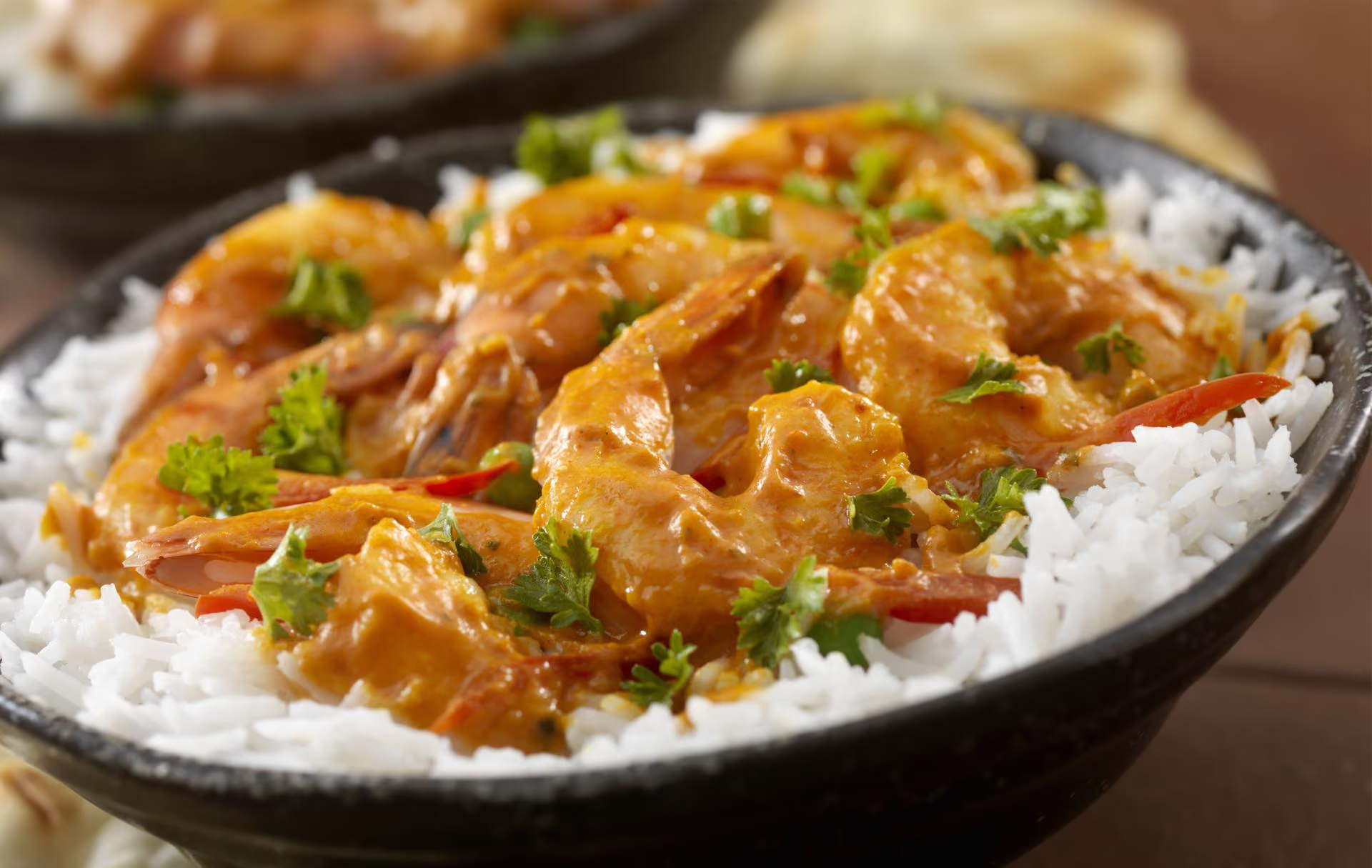
- Pairings: Caramelized shrimp, scallops with lemon butter.
5. Spicy Dishes
The wine’s sweetness softens the heat of spices while preserving their intensity.
- Pairings: Vegetable curry, tagine with dried fruit.
The Leading Regions for Sweet White Wines
1. Bordeaux: Sauternes and Loupiac
Sauternes is a global benchmark thanks to its perfect balance between sugar and acidity.
- Main grape varieties: Sémillon, Sauvignon Blanc, Muscadelle.
- Food pairings: Foie gras, fruit desserts.
2. Loire Valley: Coteaux du Layon and Vouvray
These appellations produce fresh, fruity wines, often based on Chenin.
- Characteristics: Notes of apple, pear, honey.
- Pairings: Tarte Tatin, aged cheeses.
3. Alsace: Gewurztraminer and Sweet Riesling
Alsace offers expressive sweet wines, ideal for exotic and spicy cuisines.
- Characteristics: Notes of lychee, rose, citrus.
- Pairings: Thai cuisine, Eastern pastries.
4. Southwest France: Monbazillac and Jurançon
These wines offer seductive sweetness with lovely freshness.
- Characteristics: Aromas of candied fruit and gentle spices.
- Pairings: Duck breast, fruity desserts.
Comparison: Which Sweet White Wine Should You Choose?
CriterionSauternesSweet VouvrayGewurztraminer VTMonbazillacCoteaux du LayonAcidity Medium High Medium Medium High Residual sugar 80–150 g/l 30–80 g/l 50–70 g/l 50–100 g/l 40–80 g/l Alcohol 13–14 % 12–13 % 13–14 % 12–13 % 11–13 % Main aromas Honey, candied apricot, vanilla Apple, quince, acacia Lychee, rose, spices Candied fruit, gentle spices Peach, apricot, honey Aging Potential 10–30 years 5–20 years 5–15 years 5–15 years 5–20 years Average budget €20–300 €15–45 €20–60 €8–25 €10–30 Ideal sweet-and-savory dish Foie gras, Roquefort Poultry with fruit, Tarte Tatin Peking duck, munster Duck breast, sheep’s milk cheese Blue cheese, apricot Aperitif ✅ Excellent ✅ Excellent ✅ Excellent ✅ Good ✅ Good Dessert ✅ Excellent ✅ Excellent ✅ Good ✅ Good ✅ Excellent Complexity level ⭐⭐⭐⭐⭐ ⭐⭐⭐⭐ ⭐⭐⭐⭐ ⭐⭐⭐ ⭐⭐⭐⭐
Tips for Fully Enjoying a Sweet White Wine
1. Serve at the Right Temperature
- Aperitifs and savory dishes: Between 8 and 10 °C.
- Desserts: Between 10 and 12 °C.
2. Use the Right Glass
A slightly tapered white wine glass helps concentrate the aromas.
3. Choose the Right Vintage
Sweet wines often gain complexity with age. A 5- to 10-year-old Sauternes offers deeper aromas.
4. Experiment with Pairings
Don’t hesitate to try unexpected combinations with world cuisines.
Current Trends in Sweet White Wines
1. Rising Popularity
Wine lovers are rediscovering these wines, especially for their pairings with modern cuisine.
2. A Shift Toward Organic and Natural Wines
More and more producers are adopting environmentally friendly methods for these wines.
3. Growing Interest in Smaller Appellations
Regions like Jurançon and Coteaux du Layon are gaining recognition.
Common Mistakes to Avoid with Sweet White Wines
1. Serving Them Too Cold or Too Warm
An incorrect temperature hides the aromas or makes the sweetness feel too pronounced.
2. Neglecting Pairings
A poor match can make the wine seem too sweet or out of balance with the dish.
3. Forgetting the Vintage
Some sweet wines age very well, but not all of them. Check the aging potential before cellaring.
Conclusion: Perfect Wines for Sweet-and-Savory Pairings
Sweet white wines offer richness and versatility that make them essential for sweet-and-savory pairings. Whether they come from Bordeaux, the Loire, or Alsace, these wines elevate dishes and desserts by bringing balance and sweetness. Take the time to discover their nuances and pair them with your favorite recipes for unforgettable gastronomic experiences.
If you enjoyed this article, don’t hesitate to read the next one, "Rosé wines: myths and realities about this summer wine", which might also interest you!
FAQ
What’s the difference between a sweet white wine and a dessert wine?
A sweet white wine contains between 12 and 45 g/l of residual sugar. A dessert wine goes beyond 45 g/l. Sweet white wine is therefore lighter and more versatile at the table, while dessert wine (Sauternes, Barsac) is more concentrated and often reserved for special occasions.
Can you serve a sweet white wine as an aperitif?
Yes, and it’s even recommended. A Jurançon, Monbazillac, or half-bottle of sweet Vouvray makes a refined aperitif, ideal with sheep’s milk cheeses, dried fruit, or foie gras served in a glass.
Which sweet white wine should you choose with foie gras?
Go for a sweet Vouvray or Coteaux du Layon: their natural acidity (from the Chenin grape) balances the rich, fatty texture of foie gras without overwhelming the palate. Sauternes also works, but its higher sugar level can make the pairing feel heavier.
Does Sauternes really go with Roquefort?
Yes, it’s one of the great classics of French gastronomy. The sugar in Sauternes (100–200 g/l) offsets the saltiness and power of Roquefort. The aromas of honey and candied apricot wrap around the cheese’s noble mold for a remarkable pairing.
At what temperature should you serve a sweet white wine?
Between 8 and 10 °C for aperitifs and savory dishes, between 10 and 12 °C for desserts. Below 6 °C, the aromas are muted; above 14 °C, the wine feels heavy and the sweetness becomes intrusive.
How long can you keep a sweet white wine?
It depends on the wine. A great vintage Sauternes can age for 20 to 30 years. A sweet Vouvray can be kept for 5 to 20 years. An entry-level Monbazillac should be drunk within 5 years. Always check the optimal drinking window.
Does sweet white wine work with spicy dishes?
Yes, it’s a very successful pairing. The wine’s sweetness softens the heat of spices without flattening them. A Gewurztraminer Vendanges Tardives with curry or a tagine with dried fruit is especially harmonious.
How can you tell if a sweet wine is still within its drinking window?
The color gives you a first clue: an over-the-hill sweet wine turns deep amber and loses freshness. On the nose, fresh fruit aromas give way to oxidative notes. To never miss the right moment, the Oeni app analyzes your cellar and tells you the optimal opening window for each bottle.
Never miss the right moment to open your sweet wines again. Download Oeni!