Résumer cet article avec
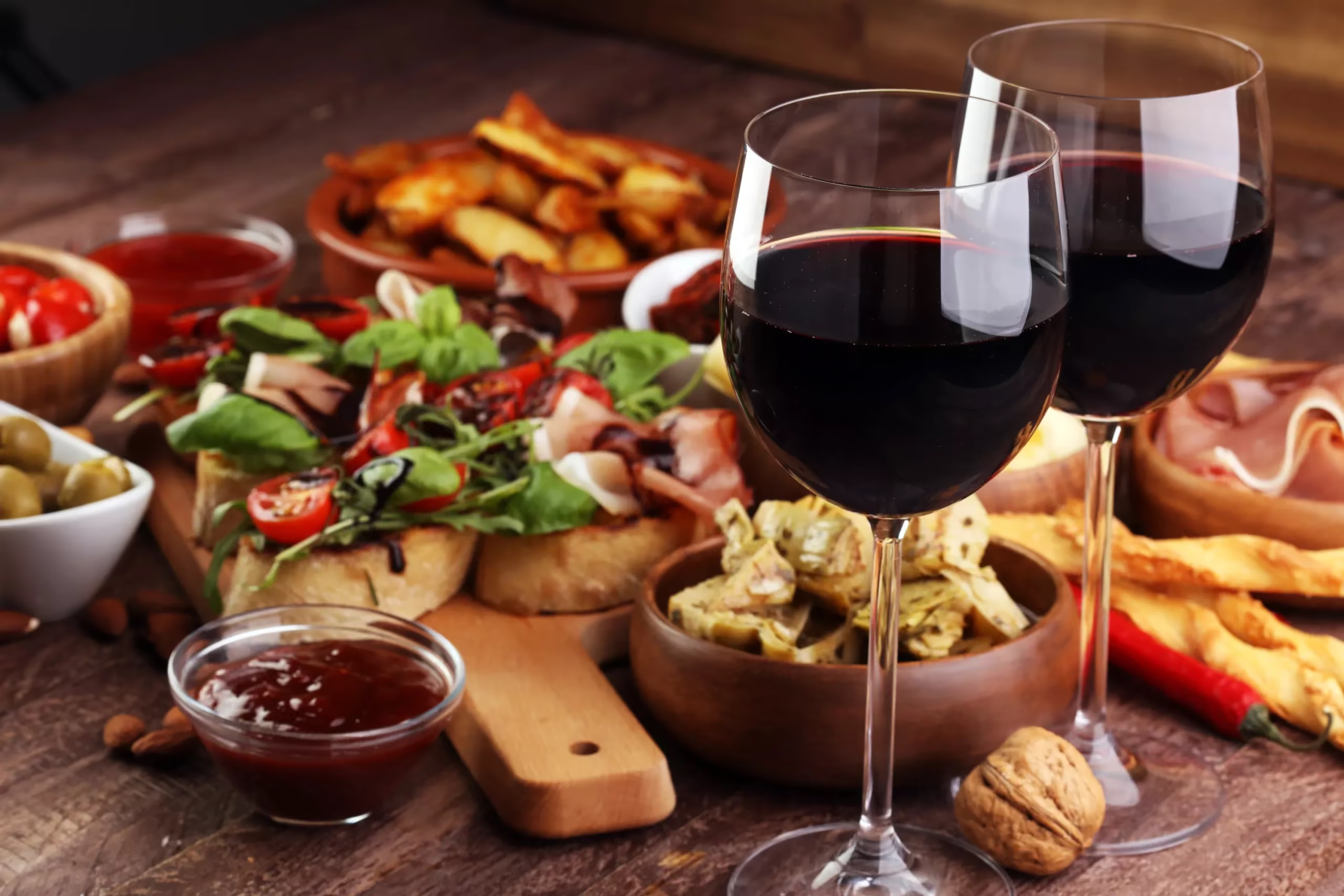
Tapas are the very essence of Spanish conviviality. These small, flavorful bites, served as an aperitif or as a meal, come in a wide range of flavors and textures. To create an authentic experience, it’s essential to choose the tapas wine that will elevate every bite.
Whether you love seafood, charcuterie, or cheese, the ideal Spanish wine exists for every specialty. Discover how to create the best Spanish food pairings for a perfect tasting experience.
Why choose the right wine with tapas?

Tapas are wonderfully varied and deliver an explosion of flavor on the palate. A poorly matched wine can throw everything off balance, while a great pairing will lift the flavors. Spain, with its exceptional terroir, produces wines perfectly suited to these specialties.
A good tapas wine helps you:
- Bring out the aromas of the dishes while keeping them in balance.
- Discover the richness of Spanish wine, from crisp whites to powerful reds.
- Create harmony between acidity, tannins, and spice.
White wines for seafood and fish tapas
Seafood tapas pair beautifully with fresh, mineral white wines.
- Albariño (Rías Baixas): lively and aromatic, it’s a perfect match for calamares fritos and gambas al ajillo. Its acidity balances the richness of the seafood.
- Verdejo (Rueda): with citrus and fresh herb notes, it elevates boquerones en vinagre and fish-based tapas.
- Txakoli (Basque Country): lightly sparkling, this wine is ideal with pintxos with shrimp and grilled peppers.
These white wines bring a freshness that offsets the salinity of seafood and the punch of garlic so often used in Spanish cooking.
Red wines for meat-based tapas
Meat-based tapas, often spicy and full of flavor, call for expressive red wines with balanced tannins.
- Tempranillo (Rioja): its red fruit and spice aromas pair perfectly with grilled chorizo and albóndigas (meatballs).
- Garnacha (Navarre, Aragon): a wine with cherry and pepper notes, ideal with jamón ibérico or pimientos de padrón.
- Mencía (Bierzo): lighter and fruitier, it’s perfect for tapas with Iberian pork or meat-filled empanadas.
A structured but supple red wine keeps the dishes’ flavors from being overwhelmed and extends the pleasure on the palate.
Rosé wines for balanced vegetarian tapas
Rosé is an excellent choice for lighter tapas, vegetable dishes, or fresh cheeses.
- Rosado de Navarra: fresh and fruity, it’s a wonderful match for patatas bravas and Spanish tortillas.
- Garnacha Rosado: with its red fruit notes and bright liveliness, it highlights grilled vegetable pintxos and tapas with peppers and eggplant.
A good rosé offers a subtle balance between freshness and roundness, ideal for summer tasting.
Fortified wines for more complex tapas
Spain’s fortified wines bring unique depth to some of the more intensely flavored dishes.
- Fino or Manzanilla (Jerez): dry and lightly saline, they pair with marinated olives, toasted almonds, and anchovies.
- Oloroso (Jerez): more structured and intense, it pairs beautifully with aged cheeses and meat stews.
- Moscatel de Valencia: a sweet wine that elevates churros and almond-based desserts.
These wines add a layer of complexity that complements the rich, and sometimes spicy, flavors of tapas.
How do you host a tapas and Spanish wine night?
For an authentic, convivial experience, here are a few tips:
- Mix up the wine styles: offering whites, reds, and rosés means there’s something for every palate.
- Serve wines at the right temperature: a white that’s too warm or a red that’s too cold will dull its potential.
- Prepare an assortment of tapas: a variety of textures and flavors guarantees a successful experience.
- Choose Spanish wines: these wines are made to pair with local specialties.
Mistakes to avoid when choosing wine for tapas
- Choosing a wine that’s too powerful for light tapas: a tannic red can overwhelm the delicacy of seafood.
- Going for a wine that’s too sweet with salty tapas: it creates an imbalance on the palate.
- Ignoring the importance of acidity: a flat wine won’t bring out the liveliness of the dishes.
A good Spanish food pairing respects the balance between the flavors of the dish and those of the wine.
Conclusion
Choosing the right tapas wine is essential if you want to elevate Spanish food pairings. Whether it’s a crisp white for seafood, a structured red for meat, a fresh rosé for vegetables, or a fortified wine for bold pairings, every Spanish specialty has its ideal companion.
If you enjoyed this article, don’t hesitate to read the next one, "Low-alcohol wines: for lighter tastings", which might interest you too!