Résumer cet article avec
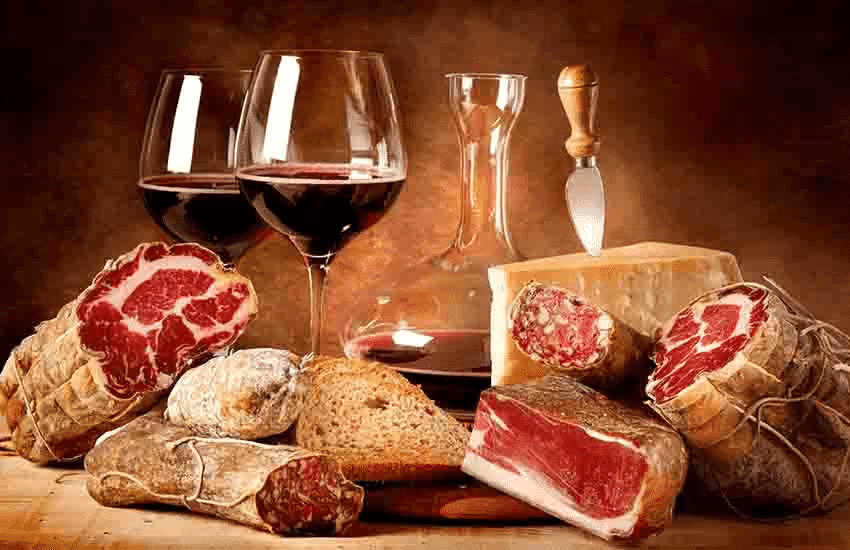
Pairing wine and charcuterie is an art that elevates flavors and creates a truly unique tasting experience. The right wine can balance the richness of charcuterie and bring out its aromas. But each type of charcuterie has its own character, and it needs a precise match so one doesn’t overpower the other.
Why is the wine and charcuterie pairing so important?
Charcuterie is rich in fat, salt, and spice. Wine needs to bring balance and freshness so the palate doesn’t feel too heavy. The tannins in red wine, the acidity in white wine, and the sparkle of bubbles all play an essential role in this pairing.
Understanding the basic mechanics helps you make the right choices instinctively.
Mechanism 1: Tannins vs. fat
Tannins bind with proteins and fats on the palate. With rich charcuterie such as rillettes or foie gras, moderate tannins help “clean” the palate. But with very salty charcuterie, powerful tannins amplify bitterness, and the pairing turns unpleasant.
Mechanism 2: Acidity vs. salt
Wine acidity (pH 3.0–3.5) stimulates salivation and offsets the salty richness of charcuterie. That’s why a Riesling or a Crémant works so well: their freshness resets the palate between bites.
Mechanism 3: Aromas vs. spice
The aromatic compounds in wine, from fruity esters to floral terpenes, can either complement or overwhelm the spices in charcuterie. With a bold chorizo, a wine that’s too spicy, like a powerful Syrah, can saturate the taste buds. A fruity, lighter wine such as Grenache or Gamay lets the spices shine without amplifying them.
Which wine should you choose for each type of charcuterie?
1. Dry charcuterie: saucisson, chorizo, coppa
Dry charcuterie is often bold and salty. It calls for fresh, fruity wines that won’t mask its aromas.
- Light, dry, fruity red wine: Beaujolais, Alsace Pinot Noir, or Gamay.
- Bright white wine: Sauvignon Blanc or Riesling for their refreshing acidity.
- Sparkling wine: A Crémant de Loire or a brut Champagne balances the salt and brings a lovely sense of lightness.
2. Smoked charcuterie: smoked ham, bacon, speck
The smoky notes in charcuterie call for wines with a subtle woody or spicy edge.
- Structured dry red wine: Rhône Syrah or an Argentine Malbec.
- Full-bodied, aromatic white wine: A Viognier or a lightly oaked Chardonnay.
- Rosé wine: A Tavel or a Bandol to match the texture and smoky flavors.
3. Cooked charcuterie: white ham, rillettes, pâtés
The cooked charcuterie category offers softer flavors and a more melting texture. It calls for supple, well-balanced wines.
- Dry, fruity white wine: A Chenin Blanc or an unoaked Chardonnay.
- Light dry red wine: A Gamay or a Pinot Noir with low tannins.
- Off-dry wine: A sweet Jurançon for a generous pairing with liver pâté.
4. Spiced charcuterie: chorizo, herb saucisson, seasoned terrines
Spiced charcuterie needs a fruity wine or one with a touch of sweetness to balance the intensity of the spices.
- Fruity dry red wine: Grenache or Merlot.
- Aromatic white wine: Gewurztraminer or a dry Muscat to soften the spices.
- Bold rosé wine: A Côtes-du-Rhône rosé brings freshness and balance.
5. Foie gras: the exception that proves the rule
Traditionally paired with sweet wines, foie gras also works beautifully with a dry, mineral white wine.
- Off-dry white wine: Sauternes or Monbazillac.
- Dry, lively white wine: Riesling or Chablis for a more modern pairing.
- Elegant red wine: A Burgundy Pinot Noir for a bold match.
Mistakes to avoid when pairing wine and charcuterie
- A wine that’s too tannic with salty charcuterie: Salt intensifies the bitterness of tannins, throwing the pairing off balance.
- A wine that’s too powerful with delicate charcuterie: It can overwhelm the subtle aromas.
- A wine that’s too acidic with rich charcuterie: It creates a contrast that feels too sharp on the palate.
- A sweet wine with very salty charcuterie: Too much sugar and salt can throw the pairing out of balance.
Comparison: which wine should you choose based on your criteria?
CriteriaBeaujolaisPinot NoirRieslingVermentinoCôtes du Rhône Acidity ⭐⭐⭐⭐ ⭐⭐⭐ ⭐⭐⭐⭐⭐ ⭐⭐⭐⭐ ⭐⭐⭐ Tannins ⭐⭐ ⭐⭐⭐ ⭐ ⭐ ⭐⭐⭐⭐ Fruity aromas ⭐⭐⭐⭐⭐ ⭐⭐⭐⭐ ⭐⭐⭐ ⭐⭐⭐⭐ ⭐⭐⭐⭐ Charcuterie versatility ⭐⭐⭐⭐⭐ ⭐⭐⭐⭐ ⭐⭐⭐⭐ ⭐⭐⭐ ⭐⭐⭐ Dry charcuterie pairing ⭐⭐⭐⭐⭐ ⭐⭐⭐⭐ ⭐⭐⭐⭐ ⭐⭐⭐ ⭐⭐⭐ Smoked charcuterie pairing ⭐⭐⭐ ⭐⭐⭐⭐ ⭐⭐⭐ ⭐⭐⭐⭐ ⭐⭐⭐⭐⭐ Spiced charcuterie pairing ⭐⭐⭐⭐ ⭐⭐⭐ ⭐⭐⭐ ⭐⭐⭐⭐⭐ ⭐⭐⭐⭐ Ease of serving ⭐⭐⭐⭐⭐ ⭐⭐⭐⭐ ⭐⭐⭐⭐ ⭐⭐⭐⭐ ⭐⭐⭐⭐ Average budget 8-15 € 12-20 € 10-18 € 10-16 € 8-14 € VerdictReliable choiceElegantFresh & livelyOriginalGenerous
A few suggestions for a well-balanced aperitif platter
If you’re putting together a charcuterie and wine aperitif, here are a few ideas for a varied tasting:
- Balanced platter: Dry saucisson, smoked ham, country pâté — paired with a Beaujolais or a Crémant de Loire.
- Indulgent platter: Parma ham, foie gras, rillettes — served with a Riesling or a Sauternes.
- Spiced platter: Chorizo, herb saucisson, game terrine — matched with Grenache or Viognier.
A mixed platter lets everyone find their favorite pairing and enjoy a little variety.
The art of tasting: serving wine and charcuterie properly
For the best tasting experience, a few rules should be followed.
Wine temperature:
- Light red wines should be served between 14 and 16°C.
- White and rosé wines between 8 and 12°C.
- Full-bodied red wines around 18°C.
Slicing the charcuterie:
- Thin slices make it easier to appreciate the texture and aromas.
- Terrines and rillettes should be served at room temperature to reveal all their flavors.
Ideal accompaniments:
- Country bread, traditional baguette, or multigrain bread.
- Pickles and chutneys to add contrast.
- Dried fruits like figs or nuts to elevate the pairing.
In short: which wine goes with which charcuterie?
CharcuterieIdeal wineCharacterTemperatureBudget Dry saucisson, coppa Beaujolais Villages Fruity, light 14-16°C 8-15 € Smoked ham, speck Alsace Pinot Noir Elegant, spicy 14-16°C 12-20 € White ham, rillettes Riesling Lively, mineral 8-10°C 10-18 € Chorizo, spiced terrine Vermentino Aromatic, fresh 8-10°C 10-16 € Mixed platter Red Côtes du Rhône Structured, fruity 16-18°C 8-14 €
Golden rule: favor acidity and lightness, because tannins, by contrast, accentuate the salt in charcuterie.
Pairing wine and charcuterie is easy as long as you balance flavors and textures well. A light, dry, fruity red wine works with most charcuterie, while a fresh, mineral white wine brings an interesting contrast. The key is to experiment and find the pairings that suit your palate.
If you enjoyed this article, don’t hesitate to read the next one, "Amphora-aged wines: back to the roots of winemaking", which might also interest you!
FAQ
What’s the best wine for a classic charcuterie platter?
Beaujolais Villages is the most versatile choice: fruity, light, and low in tannins, it pairs with saucisson, ham, and pâté without overpowering the flavors. Budget: 8-15 €.
Can you serve white wine with charcuterie?
Yes, and it’s often the best choice. A Riesling or a Sauvignon Blanc brings refreshing acidity that balances the fat and salt in charcuterie. Especially recommended with white ham, rillettes, and foie gras.
What wine goes with chorizo?
Chorizo, spicy and rich, calls for a fruity wine with a gentle aromatic edge. Choose a Languedoc Grenache (10-15 €), a Corsican Vermentino (12-18 €), or a Côtes-du-Rhône rosé. Avoid very tannic or very acidic wines.
What wine goes with Parma ham?
Parma ham, delicate and lightly salty, pairs beautifully with an Alsace Pinot Noir (14-20 €) or a brut Prosecco (10-15 €). The regional match — Parma and Italian wines — always works very well.
What wine goes with foie gras as an aperitif?
Two schools of thought: the classic one (Sauternes, Monbazillac for a budget of 15-40 €) and the modern one (Riesling Grand Cru, Chablis Premier Cru for a budget of 20-40 €). Dry white wine brings more freshness and avoids palate fatigue over the course of an aperitif.
Should you choose one wine or several for a mixed platter?
Ideally, two wines: a bright white (Riesling, Sauvignon) for cooked and delicate charcuterie, and a light red (Beaujolais, Gamay) for dry and smoked charcuterie. That way, every guest can find a pairing they love.
At what temperature should you serve wine at aperitif time?
- White and rosé wines: 8-10°C
- Light red wines (Beaujolais, Gamay): 14-16°C
- Structured red wines (Côtes du Rhône): 16-18°C
Wine that’s too warm loses its aromas and balance. To avoid that, take it out of the refrigerator no more than 15-20 minutes before serving.
How can Oeni help me with my charcuterie and wine pairings?
The Oeni app analyzes your cellar and suggests personalized pairing recommendations based on the dish, your budget, and your preferences. Scan your bottles, track their evolution, and never miss a pairing again.