Résumer cet article avec
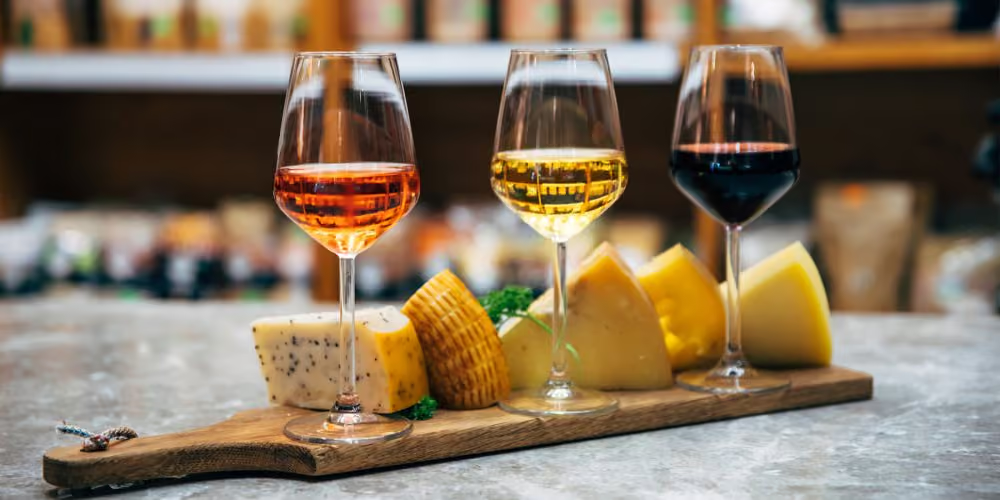
The pairing of wine and cheese is a delicious tradition that can become a truly memorable tasting experience. Yet finding the perfect balance between the two calls for a certain level of expertise.
The Basics of a Successful Wine and Cheese Pairing
To pair wine and cheese harmoniously, you need to consider their flavors, textures, and intensity.
1. Balancing Flavors
A bold cheese will overpower a light wine. Conversely, a full-bodied wine can overwhelm a delicate cheese. Look for balance.
2. Cheese Texture
Texture influences your wine choice. Creamy cheeses call for fresh wines, while hard cheeses pair well with structured reds.
3. The Role of Intensity
Match similar levels of intensity. Strong cheeses pair well with rich wines, while mild cheeses prefer more delicate wines.
Classic Food and Wine Pairing Examples with Cheese
1. Soft-Ripened Cheeses with Bloomy Rinds
Cheeses like Camembert or Brie are ideally matched with light white wines or low-tannin reds.
- White wine : An unoaked Chardonnay or a Sancerre.
- Red wine : A Pinot Noir or a Beaujolais.
2. Hard Cheeses
Cheeses like Comté or Parmesan call for fuller-bodied wines or wines with a slight oxidative edge.
- White wine : A vin jaune from Jura or a Meursault.
- Red wine : A mature Bordeaux or a Syrah.
3. Blue Cheeses
Blue cheeses like Roquefort need a sweet-salty contrast. Go for luscious or off-dry wines.
- White wine : A Sauternes or a late-harvest Gewurztraminer.
- Red wine : A Porto or a Banyuls.
Pairing Regional Wines and Cheeses for an Authentic Experience
A regional food and wine pairing often delivers a natural harmony. These matches reflect the history and culinary culture of a terroir.
1. In Burgundy
Pair an Époisses de Bourgogne with a white wine such as Chablis. Their minerality and roundness complement each other beautifully.
2. In the Southwest
A Basque sheep’s milk cheese pairs wonderfully with a red wine from Madiran. The intensity of both meets in the middle.
3. In Alsace
Munster from Alsace finds its best partner in a Gewurztraminer. The contrast between power and sweetness is exceptional.
Mistakes to Avoid in Wine and Cheese Pairing
1. Automatically Choosing Red Wine
Contrary to popular belief, not all cheeses pair well with red wine. Whites often work better.
2. Ignoring Acidity and Fat
A wine that’s too acidic throws rich cheeses out of balance. Choose wines with balance and a touch of roundness.
3. Overlooking Serving Temperature
Wine that’s too warm or cheese that’s too cold can mute the flavors. Respect the ideal serving temperature for each product.
Creating a Complete Tasting Experience
For a convivial, indulgent moment, pay close attention to the presentation and flow of your wine and cheese tasting.
1. Offer a Variety of Cheeses
Select cheeses with different textures, intensity levels, and origins. That variety enriches the experience.
2. Serve the Wines in Order of Increasing Intensity
Pour the wines from lightest to most powerful so you don’t overwhelm the palate too quickly.
3. Add Accompaniments
Dried fruit, nuts, and a variety of breads bring new dimensions to food and wine pairings.
The Importance of Experimentation
Every palate is unique. Don’t be afraid to step off the beaten path and find your own favorite combinations.
Try Original Pairings
Fresh goat cheese with sparkling wine, or washed-rind cheese with craft beer. Explore the possibilities.
Pairing wine and cheese is an art within everyone’s reach. With a few basics and a touch of daring, you can create memorable experiences. By following the principles of food and wine pairing, you’ll bring out the best in every tasting.
If you enjoyed this article, don't hesitate to read the next article, "A Complete Guide to Food and Wine Pairings for the Holiday Season," which might also interest you!