Résumer cet article avec
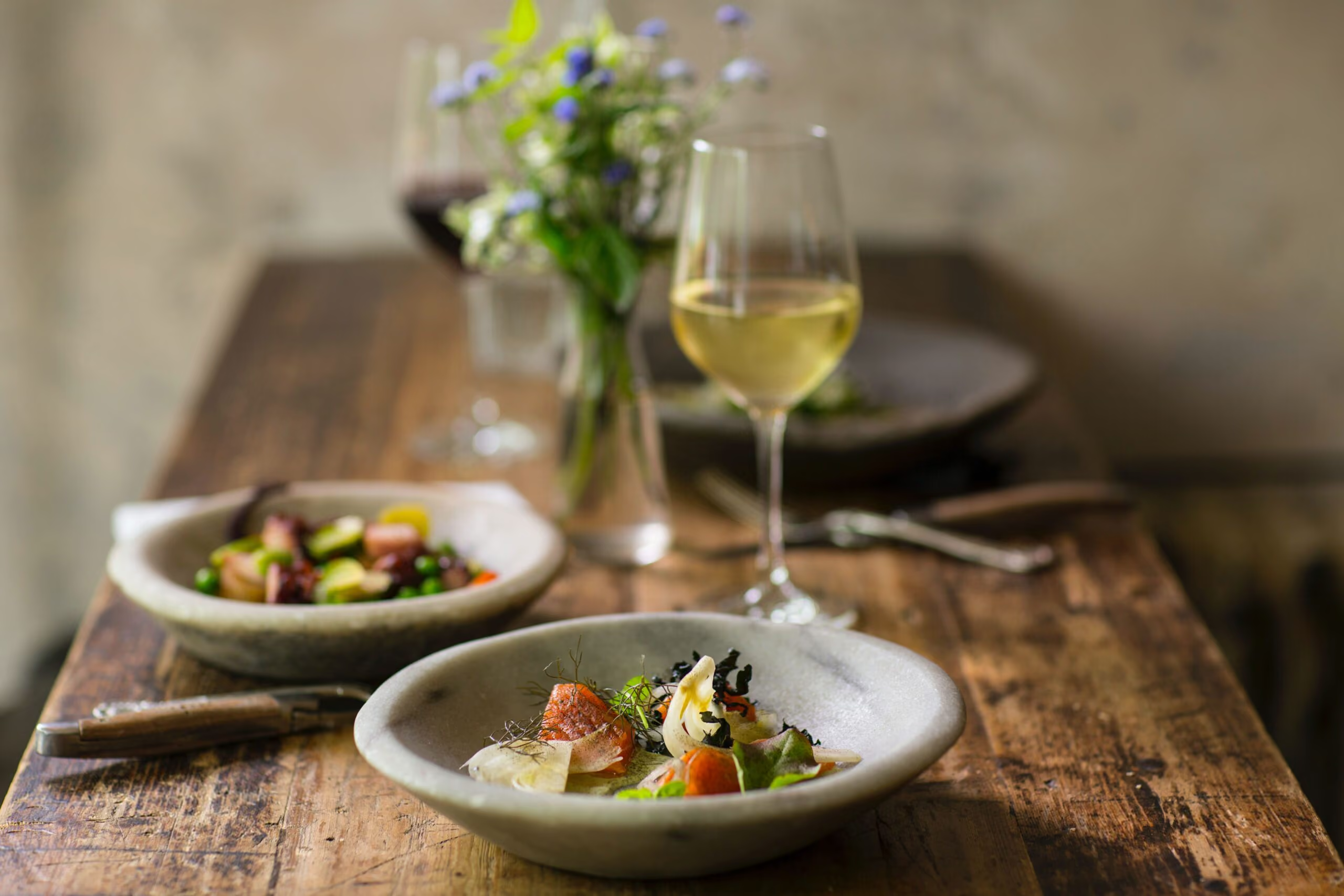
Food and wine pairing is a subtle art: finding the perfect wine to accompany your dish and creating harmony between flavors and textures.
If you're new to food and wine pairing, don't worry. There are simple tips you can follow to make your dining experience even more delicious. In this article, brought to you by Oeni, your wine cellar management app available on iOS and Android, we'll look at the basics of food and wine pairing and share practical advice to help you get it right every time.
1. Consider the intensity of the flavors
When it comes to food and wine pairing, it's important to consider the intensity of the flavors in both your dish and your wine. Light, delicate dishes such as seafood or vegetables call for lighter, fresher white wines, such as a dry white wine or a sparkling wine. Richer, more flavorful dishes, such as grilled steak or stew, call for fuller-bodied wines, such as a tannic red or an age-worthy wine.
2. Look for complementary pairings
Complementary pairings are combinations that enhance the flavors and textures of both food and wine. For example, a tannic red wine can be paired with grilled steak because tannins work beautifully with the flavor of grilled meat. Likewise, a dry, high-acid white wine can be paired with seafood dishes because its refreshing acidity complements the flavor of the seafood.
3. Seek out contrasts
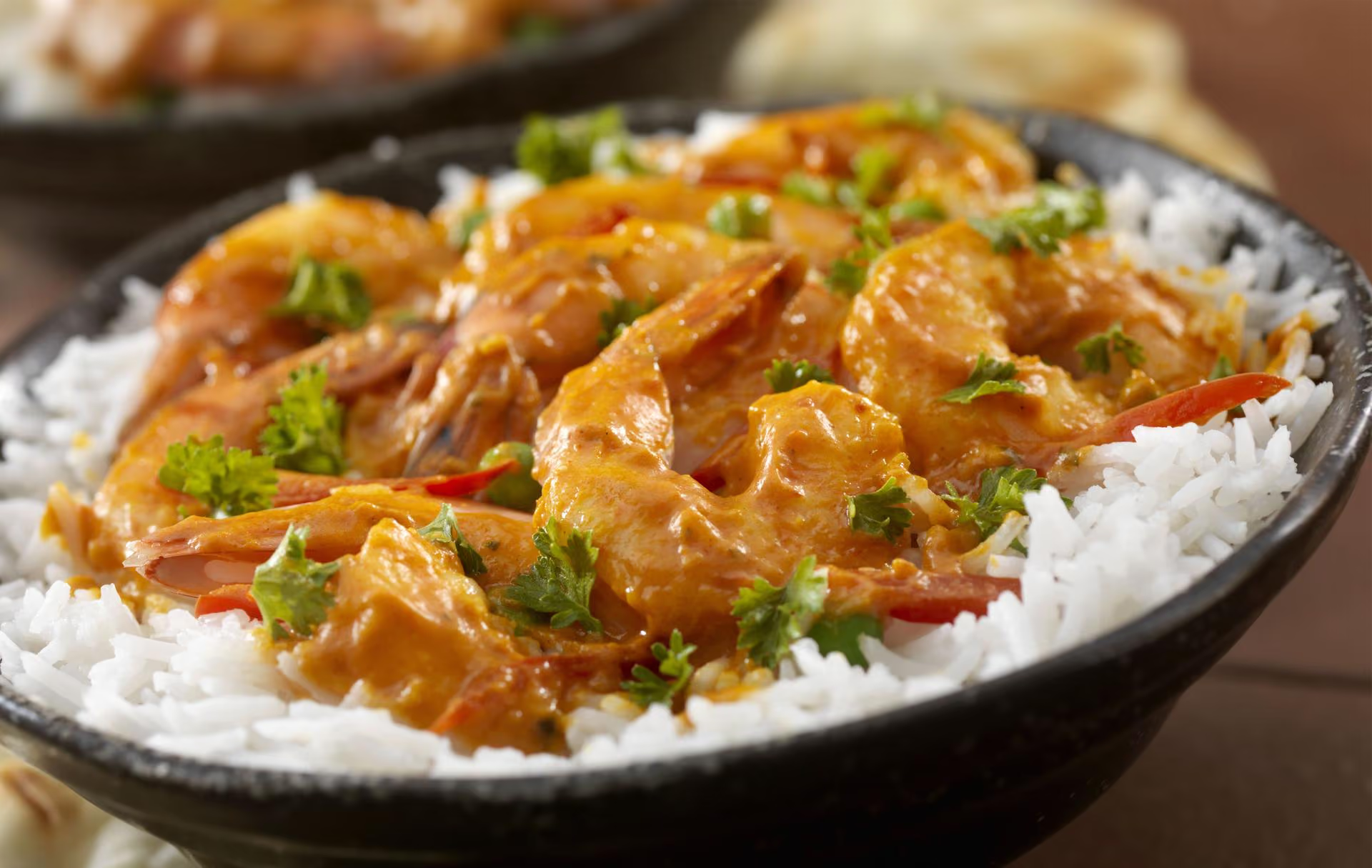
Contrasting pairings are combinations that create balance between opposing flavors and textures. For example, a full-bodied red wine can be paired with a creamy cheese dish because the wine's acidity balances the richness of the cheese. Likewise, a sweet, fruity wine can be paired with a spicy dish because the wine's sugar softens the heat of the spices.
4. Consider the wine's region of origin
The wine's region of origin can be a clue to its character and style. For example, Italian wines are often acidic and fresh, while Californian wines are often rich and fruity. If you're serving a regional dish, such as Italian pizza or French cassoulet, try to find a wine from the same region to create a more authentic dining experience.
5. Don't overlook dessert wines
Dessert wines can be paired with a wide range of dishes, especially sweet desserts. Sweet, fruity wines such as Port or moelleux wines can be paired with fruit-based desserts or chocolate desserts. Luscious white wines such as Sauternes can be paired with cream- or caramel-based desserts.
6. Try different pairings
The art of food and wine pairing is highly subjective, so it's important to try different combinations to find the one that suits your palate best. Try different types of wine with your dish to find the one that creates the best harmony. Don't be afraid to experiment and step outside your comfort zone by trying bolder combinations.
7. Respect your personal preferences
While some food and wine pairings are considered classic, it's important to respect your personal preferences. If you prefer a particular wine with a dish, even if it doesn't follow traditional food and wine pairing rules, that's your choice. The key is to create a dining experience you'll enjoy.
8. Serve wine at the right temperature
Serving temperature plays a big role in creating the best possible tasting experience. White and rosé wines should be served chilled, at around 50 to 54 degrees Fahrenheit, while red wines should be served slightly warmer, at around 61 to 64 degrees Fahrenheit. Dessert wines should be served chilled, but not too cold, at around 46 to 50 degrees Fahrenheit.
9. Keep track of your successful pairings
When you find a food and wine pairing that works especially well, make a note of it. That can be useful when you're planning a special dinner or trying to impress guests. By keeping track of your successful pairings, you can recreate those exceptional dining experiences whenever you like.
Food and wine pairing is a subtle art that takes patience, creativity, and practice to master. The basics are simple, but they can be applied in sophisticated ways to create exceptional dining experiences. By following these practical tips, you can start creating your own successful food and wine pairings and impress your guests with memorable tasting experiences. Don't forget to respect your personal preferences and never be afraid to experiment to find the perfect match for your favorite dish and wine.